
























Navigation

The C.L. Smith Blog

Blog

2025 Top 5 Lithium Ion Car Batteries for Optimal Electric Vehicle Performance

2025 Top 5 Lithium Ion Car Batteries for Optimal Electric Vehicle Performance

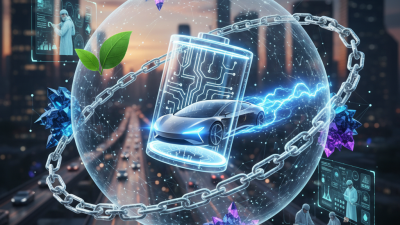
As the electric vehicle (EV) market continues to expand rapidly, the performance of lithium ion car batteries has emerged as a critical factor influencing consumer choice and technological advancements. According to a recent report by the International Energy Agency (IEA), global sales of electric cars reached 6.6 million units in 2021, a staggering increase of 108% from the previous year, underscoring the growing importance of efficient battery technologies. With projections indicating that the worldwide stock of electric cars could surpass 145 million by 2030, the need for optimal battery performance is more crucial than ever. Industry experts, such as Dr. Sarah Thompson, a leading figure in battery technology at the Battery Innovation Center, emphasize the significance of lithium ion car batteries in shaping the future of transportation. She states, "The advancements in lithium ion battery technology not only enhance vehicle range and reduce charging times but also play a pivotal role in achieving sustainability goals." This sentiment reflects a broader consensus in the industry that innovative battery solutions are paramount not only for vehicle performance but also for meeting environmental standards. As we look towards 2025, the quest for the top lithium ion car batteries continues, driven by the demand for higher energy densities, longevity, and reduced costs. This article explores the leading lithium ion car batteries that are set to redefine electric vehicle performance, highlighting their features, advantages, and potential impact on the industry.
Read more »
Emma By:Emma - November 22, 2025
Understanding the Challenges of Shipping Lithium Batteries Safely and Efficiently

Understanding the Challenges of Shipping Lithium Batteries Safely and Efficiently

The demand for lithium batteries has surged in recent years, driven by the rapid expansion of electric vehicles (EVs) and renewable energy storage systems. According to a report by the International Energy Agency (IEA), the number of electric cars on the road is expected to exceed 230 million by 2030, necessitating a robust and efficient supply chain for shipping lithium batteries. However, this process comes with its own set of challenges and risks, as lithium batteries are considered dangerous goods due to their potential flammability and risk of short circuits during transport. The United Nations (UN) has established stringent guidelines for the shipping of lithium batteries to mitigate these risks, yet adherence to these regulations remains inconsistent across the industry. Industry data reveals that improper packaging and labeling contribute significantly to incidents during transportation. It is estimated that around 35% of lithium battery shipments fail to meet regulatory compliance, posing serious threats not only to shipping companies but also to public safety. To address these challenges, stakeholders from manufacturers to logistics providers must collaborate to enhance safety protocols and streamline shipping processes. Understanding the complexities of shipping lithium batteries is critical for ensuring a safe and efficient supply chain that can meet the growing global demand.
Read more »
Oliver By:Oliver - November 19, 2025
Back to top