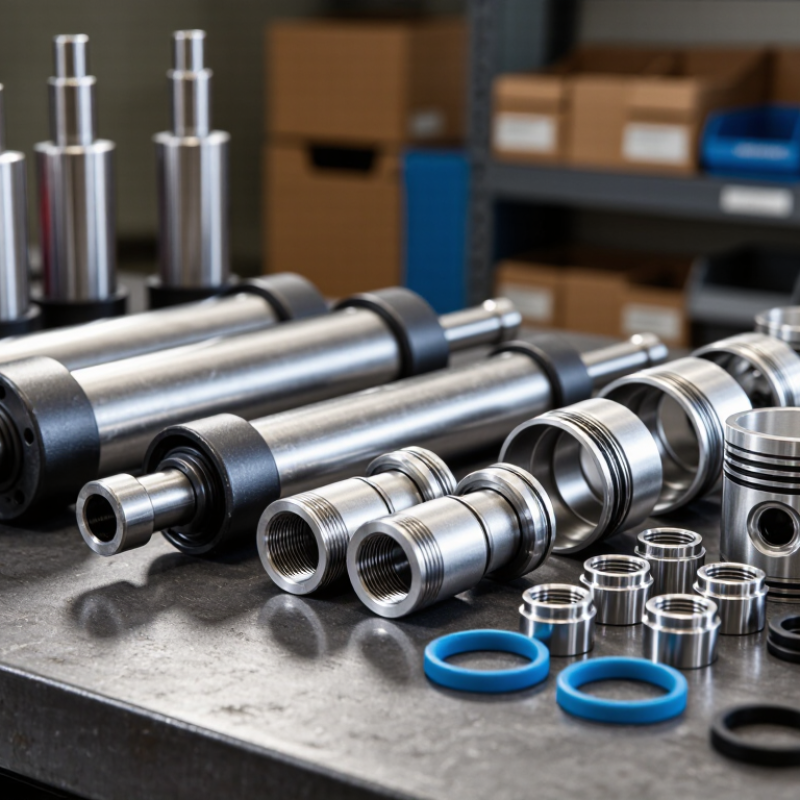
| Product range | Availability of the required cylinder parts, such as tubes, rods, pistons, glands, seals, and mounting components. | Current catalogue or part list; supported sizes, materials, and configurations; confirmation that the parts match the buyer’s drawings and application. | 15% | ___ | ________ |
| Dimensional compatibility | Compatibility of bore, rod, stroke, ports, mounting style, and interface dimensions with the existing cylinder or equipment. | Dimensioned drawings and tolerances. Where applicable, confirm whether the design follows the relevant ISO 6020 or ISO 6022 mounting-dimension series; verify all dimensions against the actual assembly. | 15% | ___ | ________ |
| Materials and documentation | Suitability of materials and coatings for the operating pressure, environment, fluid, and expected service conditions. | Material specifications, coating details, and traceability records. If required by the purchase specification, request inspection documents such as EN 10204 type 3.1 material inspection certificates. | 12% | ___ | ________ |
| Manufacturing quality | Controls for machining, surface finish, dimensional inspection, and prevention of contamination or damage. | Inspection plans, sample measurement reports, process-control information, and the supplier’s method for identifying and handling nonconforming parts. | 14% | ___ | ________ |
| Testing and acceptance | Ability to provide inspection or test evidence appropriate to the supplied component or assembled cylinder. | Written test scope and acceptance criteria. For cylinder acceptance testing, check whether ISO 10100 is applicable to the product and agreed inspection requirements; confirm pressure and leakage limits in the purchase specification. | 10% | ___ | ________ |
| Seals and fluid compatibility | Seal material and design compatibility with the specified hydraulic fluid, temperature range, pressure, and motion. | Seal material identification and compatibility information for the actual fluid and operating conditions. Confirm the permitted temperature and pressure range for the selected seal configuration. | 10% | ___ | ________ |
| Capacity and lead time | Ability to meet the required order quantity, delivery schedule, and repeat-order demand. | Written lead-time estimate, stock or production status, minimum order quantity, and confirmation of how schedule changes or back orders are communicated. | 8% | ___ | ________ |
| Packaging and delivery | Protection of precision surfaces and sealing components during storage and shipment. | Packaging specification, corrosion-protection method where needed, part identification, and shipping documentation. Confirm that machined surfaces are protected from impact and contamination. | 6% | ___ | ________ |
| After-sales support | Responsiveness to technical questions, dimensional issues, returns, and warranty claims. | Documented warranty terms, return procedure, technical support contact process, and the information required to investigate a reported issue. | 6% | ___ | ________ |
| Commercial clarity | Transparency of pricing, payment terms, quotation validity, and any additional charges. | Itemized quotation stating part specifications, quantity, currency, delivery terms, taxes or fees where applicable, and quotation validity period. | 4% | ___ | ________ |