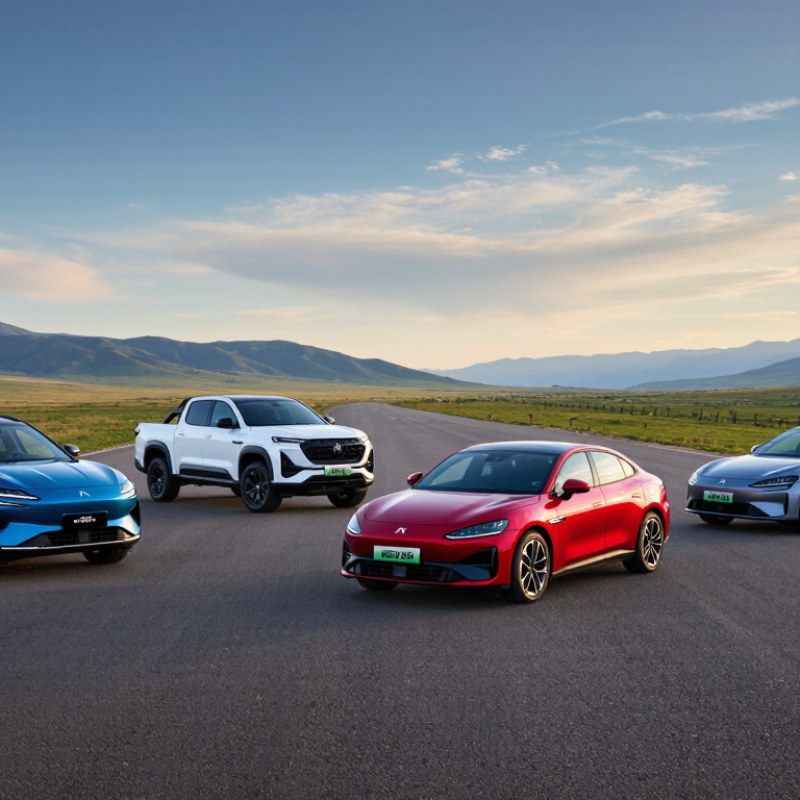
| Compact Passenger Cars | 4–5 occupants; approximately 300–500 kg of usable passenger and luggage load | Petrol, hybrid, plug-in hybrid, and battery-electric powertrains | Usually 4.0–4.6 m long; efficient urban and intercity mobility; battery-electric versions commonly offer approximately 250–500 km of rated range, depending on battery size and test cycle | Urban commuting, family transportation, ride-hailing, rental fleets, and intercity travel in areas with developed road networks | Low operating cost, easy parking, efficient energy use, and broad suitability for densely populated cities | Rear-seat and luggage space, charging access, road clearance, winter performance, and local safety requirements |
| SUVs and Crossovers | 5–7 occupants; approximately 400–700 kg of passenger and luggage load | Petrol, diesel in selected markets, hybrid, plug-in hybrid, and battery-electric powertrains | Usually 4.3–5.2 m long; ground clearance commonly about 170–230 mm; some versions provide all-wheel drive and light off-road capability | Family use, long-distance travel, suburban mobility, rough urban roads, mountainous regions, and mixed road conditions | Flexible cabin layouts, higher seating position, stronger road-clearance capability, and wide climate suitability | Higher purchase price and energy consumption than comparable cars; turning radius, tire costs, and charging infrastructure for electric versions |
| Pickup Trucks | 2–6 occupants; approximately 700–1,500 kg payload; towing capacity varies widely by configuration | Petrol, diesel, hybrid, and battery-electric powertrains | Often 5.0–6.0 m long; commonly available with rear-wheel drive or four-wheel drive; designed for cargo, towing, and uneven terrain | Agriculture, construction, mining support, forestry, utility maintenance, disaster response, and personal recreation | Open cargo bed, strong load-carrying ability, towing flexibility, and suitability for remote or poorly surfaced roads | Payload decreases when carrying passengers or towing; size may be difficult in dense cities; fuel or charging availability is important in remote areas |
| Light Commercial Vans | 2–3 occupants in cargo versions; approximately 700–2,000 kg payload; passenger versions may seat 8–15 people | Diesel, petrol, hybrid, and battery-electric powertrains | Typical cargo volume of approximately 5–20 m³; low-floor and high-roof configurations are available; electric range depends strongly on load, temperature, and route conditions | Parcel delivery, urban logistics, mobile workshops, small-business transport, public services, and passenger shuttles | Large enclosed cargo space, easy loading, fleet standardization, and strong productivity on planned routes | Payload and range can be affected by heavy cargo; fleet buyers should evaluate charging downtime, service support, and access restrictions in low-emission zones |
| Medium and Heavy Trucks | Approximately 3,500 kg to more than 40,000 kg gross vehicle weight, depending on axle configuration and regulations | Diesel remains common for long-haul work; battery-electric and other low-emission systems are increasingly used on urban and regional routes | Designed for high payloads, multi-axle operation, and long duty cycles; range and capacity depend on body type, road conditions, and national weight limits | Long-haul freight, ports, distribution centers, construction, waste collection, agriculture, and regional logistics | High freight productivity, modular body configurations, and suitability for continuous commercial operation | Acquisition cost, regulatory compliance, driver availability, maintenance support, route length, charging or refueling infrastructure, and total cost of ownership |
| Buses and Minibuses | Approximately 8–30 occupants for minibuses; larger buses may carry 40 or more seated and standing passengers, subject to local regulations | Diesel, compressed natural gas, hybrid, battery-electric, and other low-emission systems depending on route requirements | Configured for frequent stops, high passenger turnover, and urban or intercity service; battery-electric suitability is strongest on predictable routes with depot charging | Public transit, school transport, employee shuttles, tourism, airport transfers, healthcare access, and rural connectivity | High passenger capacity, efficient shared mobility, adaptable interior layouts, and potential reduction in urban congestion | Passenger safety, accessibility, route length, climate control, depot facilities, operating permits, and lifecycle maintenance costs |
| Special-Purpose Four-Wheel Vehicles | Varies by mission; commonly 1–6 occupants with equipment, tools, or emergency payload | Petrol, diesel, hybrid, battery-electric, and other systems selected for duty cycle and operating environment | May include high-clearance, four-wheel-drive, reinforced, refrigerated, ambulance, utility, or emergency-response configurations | Emergency services, medical response, public works, utilities, field research, security, environmental monitoring, and remote-area operations | Purpose-built functionality, enhanced durability, specialized equipment integration, and operation in demanding environments | Customization cost, spare-parts availability, operator training, legal certification, reliability under extreme conditions, and limited resale flexibility |
| Global Buyer Selection Priorities | Matched to occupants, payload, towing needs, and annual operating hours | Selected according to fuel availability, electricity supply, emissions rules, and route profile | Capability should be assessed using real payload, temperature, terrain, traffic, and charging or refueling conditions | Urban, rural, commercial, industrial, public-service, and cross-border applications require different vehicle specifications | Best value is determined by total cost of ownership rather than purchase price alone | Compare safety regulations, warranty coverage, service network, parts availability, taxation, import rules, resale value, and local infrastructure |
| Note: Specifications are representative global ranges rather than a single product specification. Actual seating, payload, dimensions, range, emissions, and legal operating limits vary by vehicle configuration, market regulations, test cycle, climate, road conditions, and load. |