What Are the 2026 Top Reciprocating Compressor Types?
Choosing the right Reciprocating Compressor in 2026 is no longer a simple capacity comparison. Plants now assess pressure ratio, gas composition, energy use, maintenance access, and emissions targets. A compact unit may suit a workshop, while a heavy-duty double-acting machine can support continuous pipeline service. The difference becomes visible in practice. Valve noise, cylinder temperature, vibration, and oil traces often reveal more than a brochure.
This guide examines the leading reciprocating compressor types expected to influence purchasing decisions in 2026. It covers single-acting and double-acting designs, diaphragm compressors, oil-free models, and electrically driven packages. Each type offers a practical advantage. None is universally best. That matters. Selection depends on the gas, duty cycle, discharge pressure, and available service skills. Field experience also shows that installation quality can change real performance. Poor alignment, inadequate cooling, or unsuitable lubrication may undermine an excellent compressor.
Some rankings remain debatable. A design that looks efficient on paper may disappoint under frequent starts, dusty conditions, or unstable workloads. Therefore, this overview treats “top” as application value, not popularity alone. It combines operating experience, manufacturer documentation, maintenance considerations, and established engineering principles. Readers should still verify flow, pressure, materials, noise limits, and local compliance requirements before purchasing. Small details matter. The final choice should match the site, not just the catalog.
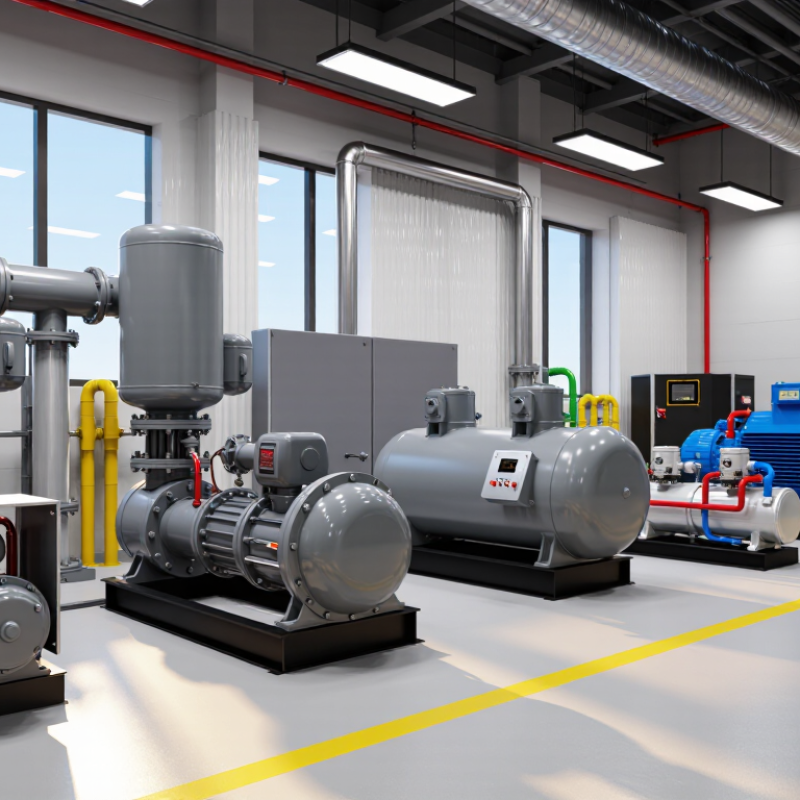
Reciprocating Compressor Basics and Operating Principles
What Are the 2026 Top Reciprocating Compressor Types?
A reciprocating compressor uses a piston moving inside a cylinder to compress gas. The crankshaft changes rotary motion into controlled back-and-forth movement. During the suction stroke, the inlet valve opens as cylinder pressure falls. The piston then pulls gas into the chamber. During compression, both valves close. Pressure rises as the piston reduces the available volume. The discharge valve opens when cylinder pressure exceeds pipeline pressure.
Common types include single-acting, double-acting, diaphragm, and oil-free reciprocating compressors. A single-acting design compresses gas on one piston side. A double-acting design uses both sides, improving capacity within a similar footprint. Diaphragm units separate the gas from moving components. They suit high-purity or corrosive services. Oil-free models reduce contamination risks, but their seals may require closer inspection. The right choice depends on pressure ratio, flow demand, gas properties, temperature, and duty cycle.
Tips: Check valve plates, piston rings, packing, and lubrication levels during routine inspections. Listen for metallic knocking or uneven pulsation. These signs often appear before a major failure. Install pulsation control where connected equipment needs stable flow. Keep suction gas clean and adequately cooled. In field work, calculations can look perfect, yet vibration still appears. Alignment, pipe strain, or poor support may be responsible. I have found that a simple inspection record sometimes reveals patterns that instruments miss. Temperature readings should be compared with previous operating data, not judged alone.
Emerging Technologies Shaping Reciprocating Compressors in 2026
What Are the 2026 Top Reciprocating Compressor Types?
Emerging Technologies Shaping Reciprocating Compressors in 2026
Reciprocating compressors are becoming more intelligent, efficient, and application-specific. In 2026, sensor-rich models will monitor vibration, valve movement, discharge temperature, and cylinder pressure. Data matters.
Edge-based analytics can detect unusual pressure pulsations before they become costly failures. Digital twins also help engineers compare real operating conditions with expected performance. However, a digital twin is only useful when technicians provide accurate field data and regular calibration.
Variable-speed electric drives are improving control across changing gas loads. They reduce unnecessary cycling and support more stable operation in hydrogen systems, carbon dioxide service, and industrial heat pumps. Electrification can also lower local emissions, although its total environmental benefit depends on the power source.
Advanced valve materials and improved sealing designs are extending service intervals. Some oil-free configurations are attracting attention where gas purity is critical. Diaphragm compressors remain valuable for sensitive gases, while high-pressure single-stage and multi-stage units serve demanding process applications.
Maintenance teams are also using wireless sensors and remote dashboards. A technician can spot a rising bearing temperature before opening the machine. That saves time. Still, automation should not replace inspection. Sensors may drift, communication links may fail, and algorithms can misread unusual operating conditions. Human review remains necessary, especially during startup, rapid load changes, and process upsets.
What Are the 2026 Top Reciprocating Compressor Types?
Emerging technologies shaping reciprocating compressors in 2026
The chart compares representative upper discharge-pressure ranges for major reciprocating compressor configurations. Multistage, diaphragm, and hypercompressor designs support the highest pressures, while oil-free and variable-speed systems are increasingly selected where product purity, efficiency, and flexible operation are critical. Actual performance depends on gas composition, temperature, materials, valve design, and the number of compression stages.
Values are representative engineering ranges rather than market-share figures; pressure capability varies by application and system design.