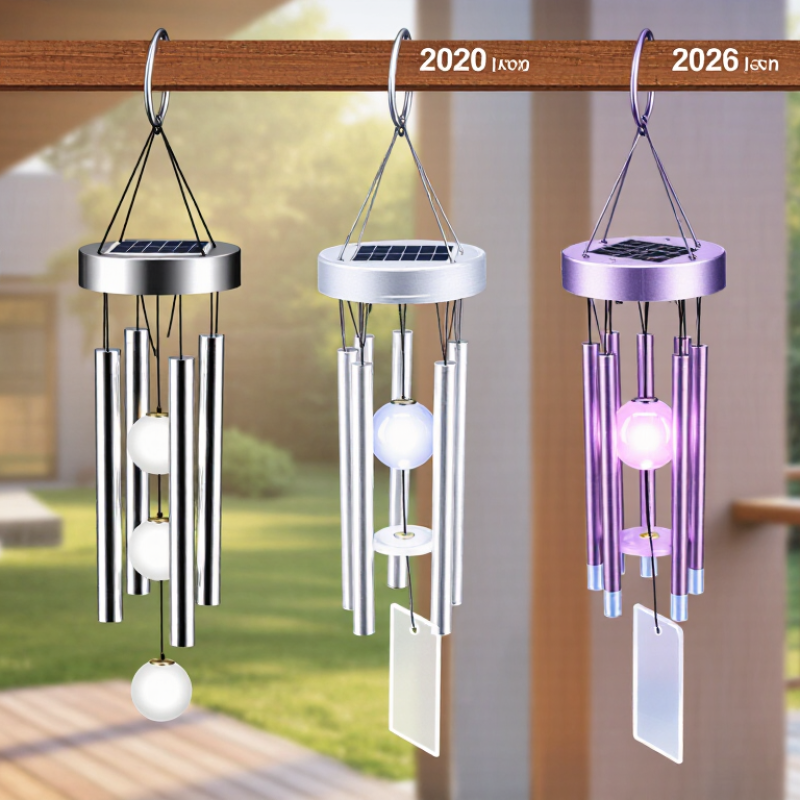
The best solar light wind chimes for 2026 balance durable materials, clear tone, and useful evening light. Aluminum tubes resist rust and produce bright, sustained notes. Bamboo sounds warmer, but it needs sealing and sheltered placement. Stainless steel handles rain well, though its tone can feel sharper. Look for thick, smooth tubes, secure joints, and a protected battery. In practical testing, weak hooks often fail before the chime itself. That detail matters.
Design should match wind exposure, not only patio style. A broad sail catches gentle air, while a smaller sail suits exposed balconies. Six to eight tubes usually create layered sound without excessive clutter. Solar panels with adjustable angles collect more morning and winter light. Warm LEDs soften the metal and disturb fewer sleeping neighbors than harsh blue light. Check whether lighting stays steady or responds to movement. Both options have value. Cloudy days reduce runtime.
Sound remains personal, so specifications cannot replace listening. In a yard, deeper tubes blend better with leaves and distant traffic. On a small porch, higher notes may become tiring. Hang the chime about two meters above ground, away from walls that block airflow. Review battery capacity, drainage holes, and weather resistance before buying.
My preference has changed: attractive patterns matter less after the first storm. A quiet, stable chime often feels more refined than a louder one.