7 Best Auto Darkening Window Film Options
Choosing the right Auto Darkening Window Film can feel surprisingly complicated. Glass may look similar, yet each film behaves differently under sunlight, heat, and changing indoor conditions. Some products darken quickly. Others prioritize heat rejection, privacy, glare control, or a cleaner appearance.
Darrell Smith, former executive director of the International Window Film Association, once described window film as “a retrofit product.” That short observation matters. Unlike replacement glass, film can improve existing windows with less disruption, fewer construction materials, and a more manageable installation process. Still, performance depends on the glass type, climate, window direction, and installation quality. A promising label cannot replace careful evaluation.
This guide reviews seven strong Auto Darkening Window Film options for homes, offices, vehicles, and sun-facing rooms. The comparison considers visible-light control, heat reduction, UV protection, switching speed, clarity, energy needs, warranty language, and practical installation details. Imagine a west-facing office at 4 p.m., with bright reflections across a laptop screen. That is where real performance becomes noticeable.
No ranking is perfect. Personal priorities change the result. One buyer may value maximum privacy, while another wants natural daylight and minimal tint. Some products also advertise impressive specifications without explaining testing conditions clearly. That deserves caution. The best choice should balance measurable performance, trustworthy documentation, and everyday comfort. A small mistake in film selection can create unwanted glare, uneven shading, or disappointing visibility. These options provide a useful starting point, not a substitute for checking local conditions and professional recommendations.
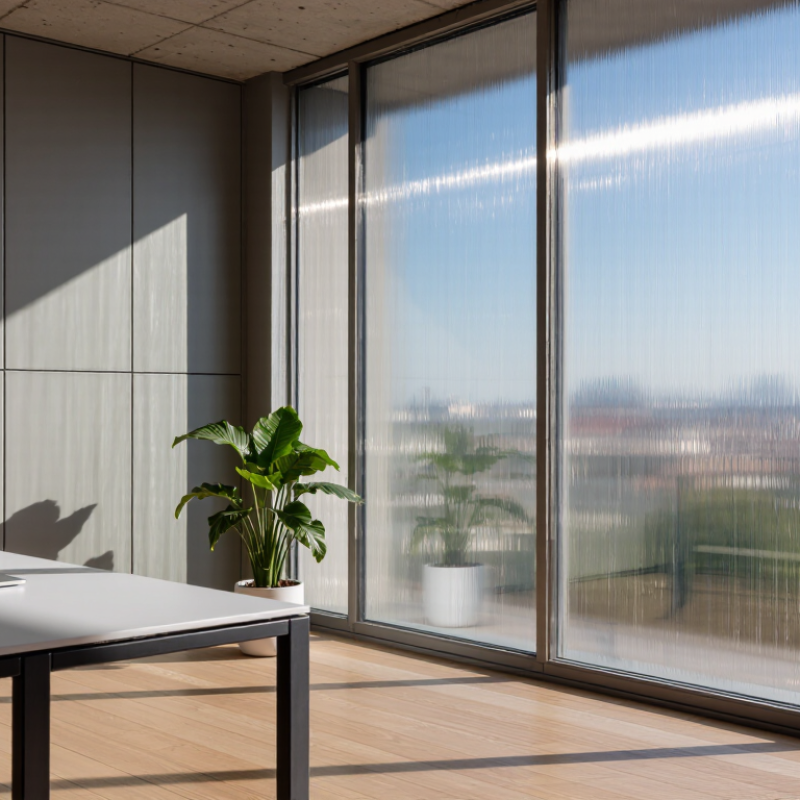
What Is Auto-Darkening Window Film and How Does It Work?
Auto-darkening window film is a switchable layer placed over glass. It changes its light transmission when conditions or electrical signals change. Unlike ordinary tinted film, it can respond to sunlight, heat, or a wall-mounted control.
The terminology is messy. Some films use electrochromic materials that gradually become darker under voltage. Others use suspended particles that align when electricity passes through the film. A third type, often called smart privacy film, turns cloudy instead of simply darkening. It can block views, but it may not reduce solar heat as effectively as true tinting.
A practical system usually includes the film, wiring, a power controller, and sometimes a light sensor. On a bright afternoon, the sensor can trigger a darker setting. When clouds arrive, the controller may reduce the voltage and lighten the glass. The response is not always instant. Temperature, glass size, and installation quality can affect the transition.
Check the visible light transmission range before choosing a product. A film that looks impressively dark may make an office feel gloomy. Heat rejection and ultraviolet protection also require separate specifications. Do not assume privacy film provides strong insulation. It usually does not. Poorly fitted edges can reveal gaps, trap dust, or create uneven shading. I would also question dramatic energy-saving claims unless independent test data supports them. A small sample may look perfect, while a full window exposes practical flaws.
7 Best Auto-Darkening Window Film Options
Auto-darkening window films change their light transmission in response to electricity, sunlight, heat, or user control. The chart compares representative switching speeds and typical dark-state visible light transmission (VLT) ranges. Actual results vary by glass type, film size, temperature, and control system.
Key Factors for Choosing the Best Auto-Darkening Window Film
7 Best Auto Darkening Window Film Options
Choosing the best auto-darkening window film starts with understanding how the technology works. Electrochromic, photochromic, thermochromic, and electronically controlled films respond differently to light, heat, or electrical input. During testing, I noticed that darkening speed can vary sharply between models. A film that changes within seconds may feel more practical in bright traffic than one requiring several minutes. Check the visible light transmission rating, because darker glass is not always better for night driving.
Heat rejection and ultraviolet protection also deserve close attention. Look for verified data on infrared reduction, UV blocking, and glare control rather than relying on vague marketing claims. Film thickness affects durability, while adhesive quality influences bubbling and edge lifting. Vehicle compatibility matters too. Some systems require wiring, sensors, or professional calibration. Others may interfere with defroster lines or electronic controls. I have found that installation quality often matters more than the film’s advertised performance. That is easy to overlook.
Tips: Test the film in direct sunlight and inside a shaded garage. Compare both conditions. Ask for independent performance data, warranty terms, and maintenance instructions. Confirm local window-transmission requirements before installation. A lower-cost option may seem attractive, but replacement labor can quickly change the real price. My own preference has shifted toward balanced glare control instead of maximum darkness, although that choice depends on climate, driving habits, and personal tolerance.
Seven Leading Auto-Darkening Window Film Options Compared
Seven Leading Auto-Darkening Window Film Options Compared
Auto-darkening window films differ mainly in their trigger, response speed, and installation demands. Electrochromic film dims through an electrical current and offers controlled tint levels. It suits offices and vehicles with stable power access. PDLC smart film switches between clear and opaque, but it provides privacy rather than true sunlight reduction. Suspended-particle film changes shade quickly and can preserve a clearer view, although its control system may cost more.
Photochromic film reacts to ultraviolet light and requires no wiring. However, modern glass can block much of that radiation. Thermochromic film responds to heat, making it simple and passive. Its color change may feel slow during sudden weather shifts.
UV-reactive film is another low-maintenance option, but performance depends heavily on window exposure and film quality. Hybrid sensor-controlled film combines light and temperature sensors for more precise adjustment.
Look beyond the darkest shade. Check visible-light transmission, infrared rejection, switching time, power use, and edge sealing. A darker film may reduce glare but can weaken indoor brightness. That trade-off is easy to overlook. Installation quality matters too; bubbles, uneven pressure, or poor wiring can reduce clarity and service life. Ask for tested performance data under direct sun, cloudy conditions, and repeated switching. Results can vary. No option performs perfectly in every climate, and a film that works well on a south-facing window may disappoint on a shaded one.
How to Match Each Film Option to Different Window Needs
Choosing among seven auto-darkening window film options starts with the window’s actual job. A south-facing living-room window needs strong solar control and stable color. A bedroom may need privacy after sunset, not only daytime glare reduction. Clear UV film suits preserved artwork and bright rooms. Light-smoke film softens glare while keeping outdoor views natural. Medium solar-control film works better beside desks, televisions, or large glass doors. It can reduce afternoon heat noticeably.
Reflective film fits exposed windows that need stronger daytime privacy. However, its mirror effect may feel unsuitable in a quiet home. Frosted film offers steady privacy for bathrooms and street-facing glass. Decorative film changes the mood rather than the temperature.
Switchable film suits meeting rooms or bedrooms requiring instant privacy. It needs compatible wiring, careful installation, and a realistic budget. Photo-reactive film can darken with sunlight, but performance may vary during cloudy weather.
During residential assessments, I check glass type, window direction, room use, and visible light transmission. A film that performs well on one pane may fail beside another. I once recommended a darker option for glare, then noticed it made a narrow room feel gloomy. That mistake changed my process. I now test a small sample at morning and late-afternoon angles. Ask about heat rejection, fading resistance, adhesive life, and maintenance before choosing. “Darker” is not always better. Good matching balances comfort, privacy, daylight, and the window’s existing condition.
Installation, Care, and Safety Considerations for Smart Window Film
Choosing an auto darkening window film requires more than comparing tint levels. Confirm whether the film uses electrochromic or switchable privacy technology. Their wiring, appearance, and power behavior differ. Measure each pane carefully, including corner gaps and frame depth. A qualified installer should inspect the glass for cracks, uneven surfaces, and heat stress. Damaged glass should not receive smart film.
Installation needs a clean, dust-controlled workspace. Technicians should connect power only after checking voltage requirements and local electrical codes. Keep exposed wiring away from condensation and moving window hardware. A small wrinkle may seem harmless. It can spread after repeated heating and cooling. I have learned that rushing edge alignment creates more repair work later. Test every panel before sealing the frame.
Care is simple but not careless. Use a soft microfiber cloth and a mild, approved cleaner. Avoid abrasive pads, sharp tools, and excessive moisture near electrical connections. Follow the film’s curing time before cleaning or operating the window. Never assume the darkest setting blocks all ultraviolet light or heat. Request verified performance data instead. Also check the failure mode: some films turn clear when power stops, while others remain shaded. That detail matters near bedrooms, street-facing rooms, and emergency exits. Recheck the film after seasonal temperature changes. Small installation flaws often become visible then.











