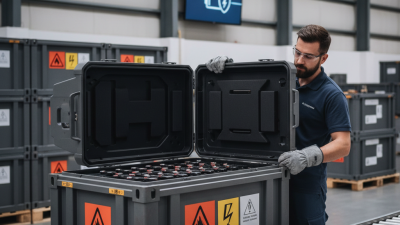
Air Freight for Lithium Batteries What You Need to Know?
Air freight lithium batteries has become a focal point in the logistics industry. The rapid growth of electric vehicles and portable electronics drives an increasing demand for battery transportation. According to a recent report by Grand View Research, the global lithium-ion battery market is expected to reach $129.3 billion by 2027, highlighting the urgency for safe and efficient air freight solutions.
Transporting lithium batteries via air is not without challenges. Regulations from the International Air Transport Association (IATA) require specific packaging and labeling. Mismanagement can lead to severe incidents, including fires. A 2020 report indicated that almost 20% of air cargo accidents involved lithium batteries, underlining the need for strict compliance and safety measures.
Despite the potential hazards, air freight remains a preferred option for speed. Companies often face pressure to meet tight deadlines, increasing the urgency for reliable transport options. Yet, as the industry evolves, questions surrounding logistics efficiency and safety standards persist. Balancing speed with safety will remain a critical challenge for stakeholders in the air freight lithium batteries sector.

Understanding Lithium Batteries and Their Transport Regulations
Lithium batteries are essential for modern technology, powering everything from smartphones to electric vehicles. However, transporting these batteries poses significant challenges due to safety regulations. The International Air Transport Association (IATA) states that lithium batteries are classified as dangerous goods, which results in stringent packing and labeling requirements. In fact, more than 80% of reported freight incidents involve lithium batteries, highlighting the risks involved.
Proper handling and regulations are crucial. The United Nations has set transport regulations for lithium batteries under the UN 3480 and UN 3481 classifications. These regulations mandate that lithium batteries must be packed in specific ways to prevent short-circuiting and overheating during transit. Failure to comply can result in severe penalties.
Moreover, industry data shows that shipments of lithium batteries are expected to rise by 30% annually, driven primarily by the demand for electric vehicles. This surge puts additional strain on existing transport frameworks, necessitating a review of current safety measures. Companies must stay updated on evolving regulations and ensure that their packaging meets international standards, or face potential recalls and costly investigations.
Key Air Freight Regulations for Shipping Lithium Batteries
Shipping lithium batteries by air carries critical regulations.
The International Air Transport Association (IATA) emphasizes safety due to the fire hazards these batteries present. In 2020, nearly 40% of air cargo incidents involved lithium battery shipments, highlighting the need for strict compliance.
Understanding the classification of lithium batteries is essential. The United Nations (UN) classifies them into two categories:
UN3480 for non-contained batteries and UN3481 for contained ones. Shipping requirements differ significantly between these categories. For instance,
UN3480 requires special packaging, fire-resistant containers, and specific labeling. Proper documentation is also vital; shippers must use the correct declaration forms.
Transporting lithium batteries mandates compliance with packaging standards. The use of UN-certified boxes is crucial.
These boxes are tested for pressure and impact resistance. Adequate padding prevents movement during transit. Additionally, some shipments may require fire-resistant materials.
Even with guidelines, mistakes occur frequently. Inadequate packaging or misunderstanding labels can lead to delays or fines. Continuous education on evolving regulations is necessary for all stakeholders involved in the shipping process.
Safety Procedures for Handling Lithium Batteries in Air Freight
Handling lithium batteries in air freight involves strict safety procedures. Lithium batteries can pose significant risks due to their flammability and potential to explode. Ensuring safe transport requires specialized knowledge and training for all personnel involved in the shipping process.
One critical safety measure is proper classification. Lithium batteries need to be labeled correctly, indicating their type and quantity. This ensures that airline personnel and emergency responders are fully aware of potential hazards. Packaging is also essential. Batteries should be packed in fire-resistant containers to minimize risks during transit. In addition, using cushioning material can prevent movement that might lead to damage.
Regular training sessions are necessary to keep staff updated on safety protocols. Often, employees may overlook the importance of these trainings, leading to lapses in safety. It’s vital to encourage open dialogue about safety concerns and near-miss incidents. Continuous improvement of safety practices is essential for effective handling of lithium batteries in air freight.
Packaging Guidelines for Lithium Batteries in Air Transport
When transporting lithium batteries by air, strict packaging guidelines are crucial. Safety is paramount due to the potential fire hazards associated with these batteries. According to the International Air Transport Association (IATA), unapproved battery shipments have caused several incidents. Proper packaging can prevent accidents and loss.
Batteries must be placed in robust packaging that is strong enough to withstand rough handling. The packaging should prevent any movement of the battery inside. Enclosing individual batteries in protective materials reduces the risk of short circuits. Always use materials approved under the UN 3480 and UN 3481 classifications.
Tips for effective packaging:
1. Use Non-conductive materials. Foam inserts work well.
2. Ensure clear labeling for easy identification.
3. Make sure all cells and batteries are properly marked as "Lithium Battery" on the packaging.
Even the best practices can occasionally lead to failures. Some shippers overlook detailed regulations, leading to delayed shipments or fines. Regularly revisiting guidelines and engaging in training sessions can improve adherence. This ensures that all packaging efforts align with industry standards. Remember, safety is everyone's responsibility in air freight for lithium batteries.
Common Challenges and Solutions in Air Freight for Lithium Batteries
Air freight for lithium batteries presents several challenges. One major concern is the risk of fire. Lithium batteries can be volatile, especially if damaged. Therefore, proper packaging is essential. Strict regulations govern the transport of these items. Companies must remain compliant to avoid fines or accidents.
Another challenge is fluctuations in demand. The shipping of lithium batteries correlates with global trends. When demand spikes, air freight rates can rise significantly. This unpredictability makes planning difficult for logistics companies. Understanding market trends is crucial for managing costs effectively.
Training personnel is vital. Not all staff are aware of the specific handling requirements for lithium batteries. Regular training sessions can mitigate risks and enhance safety. However, companies often overlook this need. They might underestimate the importance of compliance. Investing in training can lead to fewer incidents and more reliable shipping.