Top 10 Benefits of Lithium Batteries for Your Devices?
In recent years, lithium batteries have become essential for powering various devices. These batteries are lightweight and compact, making them ideal for modern technology. From smartphones to laptops, lithium batteries deliver efficient performance and reliability.
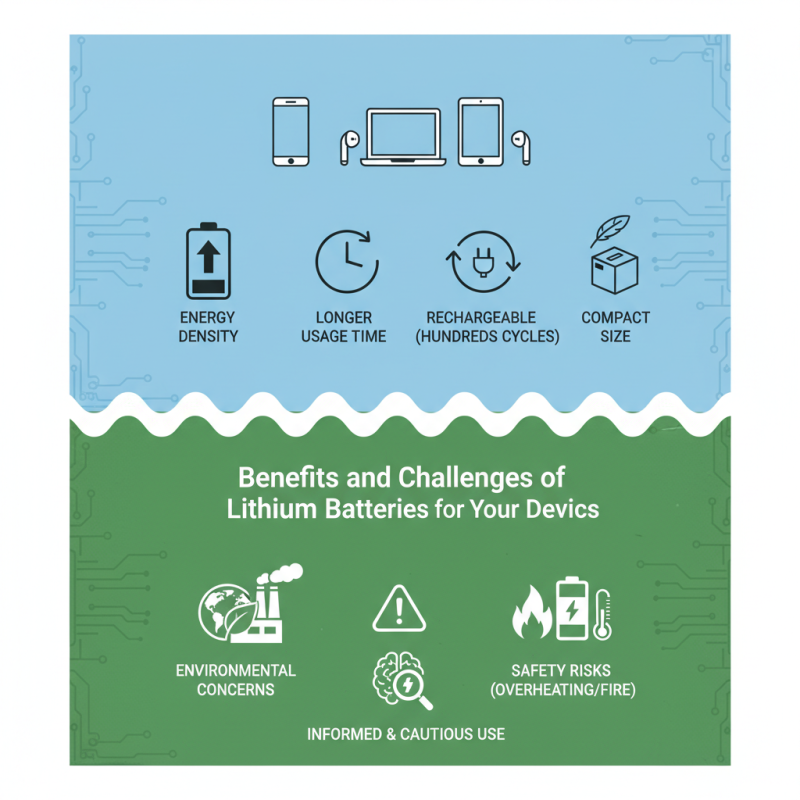
One of the most significant advantages of lithium batteries is their energy density. They can store more energy than traditional batteries of the same size. This means longer usage times for devices, which many users appreciate. Another benefit is their recharging capabilities. Users can recharge lithium batteries hundreds of times without significant loss of capacity.
However, there are challenges to consider. The production of lithium batteries raises environmental questions that deserve attention. Moreover, safety concerns related to overheating and potential fires persist. It is crucial for consumers to remain informed and cautious. Embracing the benefits of lithium batteries requires a critical look at their impact on society and the environment.
Advantages of Lithium Batteries Over Traditional Battery Types
Lithium batteries have transformed the way we power our devices. Unlike traditional batteries, which often rely on lead or nickel, lithium offers higher energy density. This means smaller batteries can power devices longer. For example, a compact lithium battery can keep your smartphone running much longer than older types.
Another advantage is their lightweight nature. Lithium batteries weigh significantly less than their predecessors. This is crucial for portable devices like laptops and tablets. A lighter device is easier to carry and use on the go. Moreover, lithium batteries charge faster. Many charge to 80% in just an hour, enhancing user convenience dramatically.
However, there are challenges. Disposal and recycling of lithium batteries aren’t straightforward. There are environmental concerns tied to lithium extraction. People must be aware of these issues. Balancing convenience with sustainability remains essential. It's a complex topic, but the benefits often outweigh the drawbacks for many users.
Enhanced Energy Density and Its Impact on Device Performance
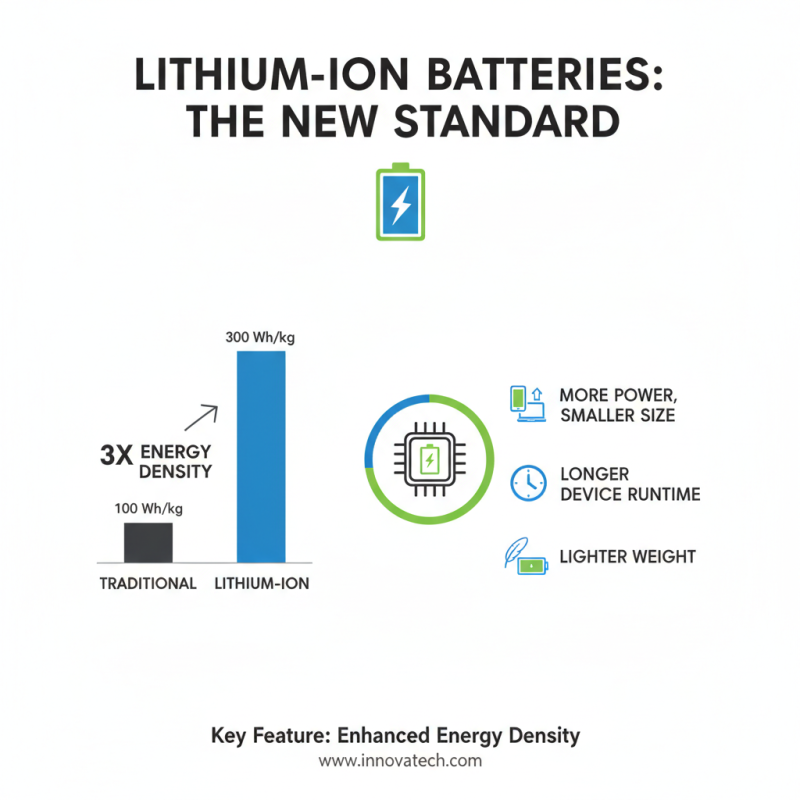
Lithium batteries are becoming the standard for modern devices. One key feature is their enhanced energy density. They can store more energy in smaller sizes. This allows devices to run longer without increasing weight. Reports indicate that lithium batteries can have up to 300 Wh/kg. This is far superior to traditional battery technologies.
The impact on device performance is significant. With more energy stored, gadgets can perform at higher levels. For instance, smartphones powered by lithium batteries can last up to 48 hours on a single charge. This efficiency supports multitasking without lag. However, higher energy density sometimes comes with concerns about heat generation. Overheating can diminish battery lifespan, prompting a need for better thermal management.
Despite these challenges, advancements are ongoing. Research is focused on improving safety while maximizing performance. The goal is to enhance energy density even further, aiming for 400 Wh/kg by 2025. As we see more devices adopting lithium batteries, understanding these dynamics becomes essential. Balancing performance, safety, and longevity is a crucial area for future exploration.
Longer Lifespan: How Lithium Batteries Outlast Their Competitors
Lithium batteries have revolutionized the way we power our devices. One of their standout features is their longer lifespan. Compared to conventional batteries, lithium batteries can last up to three times longer. This extended longevity directly translates into less frequent replacements. For example, a typical lithium battery can endure around 500 to 1,000 charge cycles. In contrast, nickel-metal hydride (NiMH) batteries may only withstand 300 to 500 cycles. This data highlights a significant advantage.
Moreover, lithium batteries maintain higher efficiency levels throughout their lives. They discharge slowly and can still deliver substantial power even in lower charge states. In practical terms, this means devices can run smoothly over longer periods. Additionally, lithium batteries are less susceptible to memory effect, which can diminish performance. Yet, it's worth noting that improper charging or extreme temperatures can harm their lifespan.
However, not all lithium batteries are created equal. Variances in quality and manufacturing processes exist. These differences can lead to unexpected performance drops. Users should pay attention to battery care practices. Proper charging habits and storage conditions are essential to maximizing lifespan. Investing in knowledge about battery maintenance can be just as crucial as the battery itself.
Rapid Charging Capabilities and Their Convenience for Users
Lithium batteries are revolutionizing the way we power our devices. One of the most notable advantages is their rapid charging capabilities. Recent studies show that lithium batteries can charge to 80% in just 30 minutes. This speed is an essential feature for consumers who rely on their devices daily. Imagine being able to quickly recharge your smartphone while grabbing a coffee.
The convenience offered by these batteries enhances user experience significantly. A report from industry experts highlights that nearly 70% of users prioritize rapid charging as a key feature. Everyday tasks become less of a hassle when devices can recharge quickly. However, it's important to question the long-term effects of repeated rapid charging. Does it compromise battery lifespan? Some data suggest that users may experience reduced longevity with heavy rapid charging habits. Balancing convenience with battery health remains a critical consideration for consumers.
Lithium's capacity for quick power solutions is undeniably impressive. It's transforming interactions with technology, especially as devices become more energy-demanding. Yet, users should remain informed about their battery’s health over time. Continuous monitoring and understanding usage patterns can ensure that the benefits outweigh potential drawbacks. As we embrace this technology, careful management is necessary to maximize efficiency and durability.
Top 10 Benefits of Lithium Batteries for Your Devices
| Benefit |
Description |
Impact on Users |
| Rapid Charging |
Lithium batteries can charge up to five times faster than traditional batteries. |
Minimizes downtime for users, providing more convenience. |
| Lightweight |
Lithium batteries are significantly lighter than other battery types. |
Easier portability for devices, enhancing user experience. |
| Higher Energy Density |
They store more energy in a smaller space compared to other batteries. |
Longer usage time for devices between charges. |
| Longevity |
Lithium batteries have a longer lifespan, with many lasting over 2000 charge cycles. |
Less frequent replacements lead to cost savings for users. |
| Low Self-Discharge Rate |
They discharge much slower than traditional batteries when not in use. |
Devices retain charge longer during storage, ensuring readiness. |
| Environmental Benefits |
They are less harmful than other battery types when disposed of correctly. |
Promotes eco-friendly practices among users. |
| No Memory Effect |
Lithium batteries do not suffer from memory effect, allowing flexible charging. |
Users can charge at any time without worrying about battery degradation. |
| Versatile Applications |
Used in a wide range of devices, from smartphones to electric vehicles. |
Users benefit from advancements across multiple technologies. |
| Safety Features |
Modern lithium batteries include safety mechanisms to prevent overheating and explosions. |
Increased safety assurance for users when using devices. |
Environmental Benefits of Using Lithium Batteries in Devices
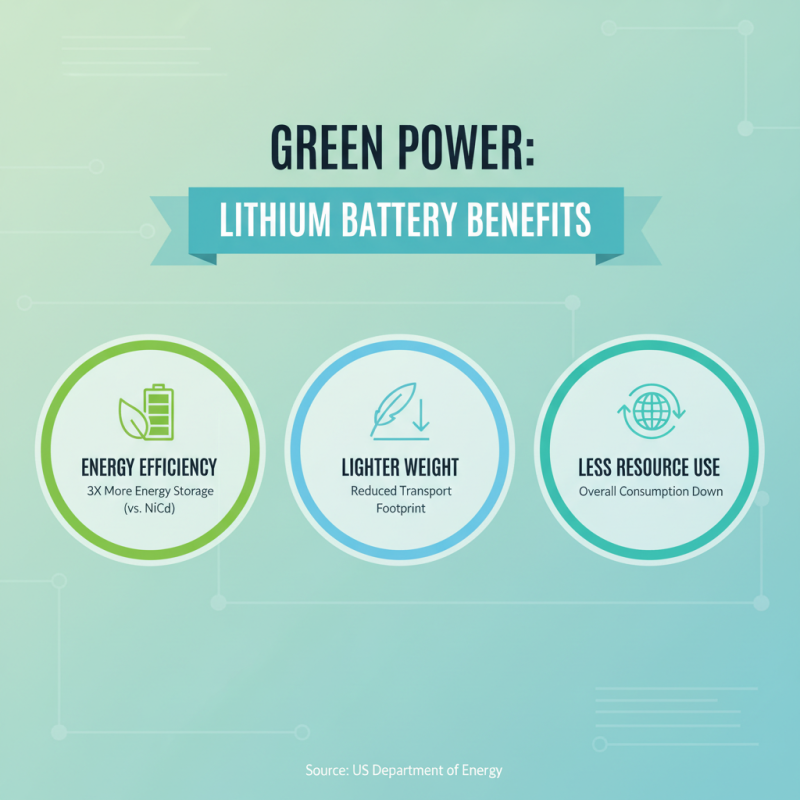
The use of lithium batteries offers significant environmental benefits for our devices. These batteries are more efficient than traditional options. They are lighter, which reduces energy consumption during transportation. According to the U.S. Department of Energy, lithium batteries can store up to three times more energy than nickel-cadmium batteries. This efficiency translates into fewer resources consumed overall.
Moreover, lithium batteries have a longer lifespan. Many can last up to 2,000 charge cycles, compared to only 500 for other types. This longevity means fewer batteries in landfills. A study by the International Energy Agency found that the wide adoption of lithium batteries could reduce greenhouse gas emissions by up to 30% in transportation by 2030. However, it is crucial to address the mining process of lithium. It often leads to water depletion and habitat destruction. This is a pressing issue that needs careful consideration and improvement.
Furthermore, recycling lithium batteries can recover up to 95% of their materials, reducing the need for raw material extraction. Unfortunately, current recycling processes are not widely implemented. Addressing these challenges is vital for maximizing environmental benefits. The potential is there, but action is required to ensure sustainable practices in lithium battery production and disposal.