Navigation

The C.L. Smith Blog

What Is the Best Portable Drug Detector in 2026?

In 2026, the best Portable Drugs Detector is not simply the smallest device or the one with the most features. It is the model that fits a clearly defined screening need and reports results consistently. That distinction matters. A compact unit may be convenient to carry, but its usefulness depends on validated performance, clear instructions, and dependable support.

This guide compares the practical factors buyers should examine: detection scope, response time, ease of use, battery life, calibration needs, and the quality of the manufacturer’s documentation. Picture a device being checked in a busy, brightly lit room, then used again after hours in a quiet facility. Can staff read the display, understand an alert, and follow the same procedure? Small details can shape real-world reliability. Yet a polished specification sheet does not tell the whole story.

No portable screening result should be treated as definitive on its own. Environmental conditions, sample handling, and device limitations can affect readings. A responsible comparison should explain those limits and distinguish an initial screen from confirmatory analysis by qualified professionals. This article offers a measured framework, not a promise that one instrument suits every setting. The “best” choice may be less impressive on paper, but more dependable in daily use.

What Is the Best Portable Drug Detector in 2026?

What a Portable Drug Detector Is and What It Can Identify

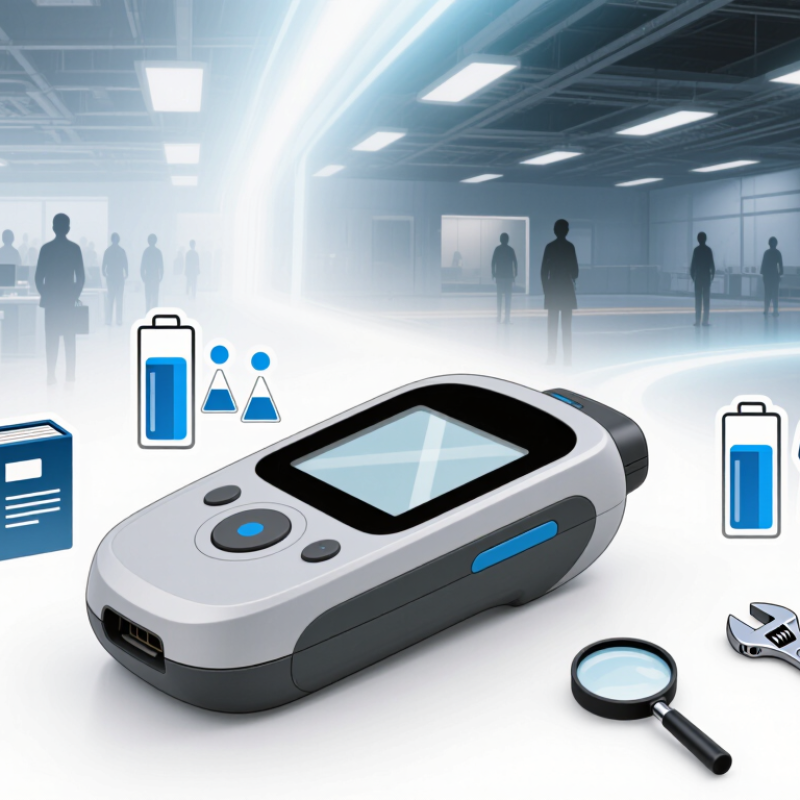
A portable drug detector is a handheld instrument that screens a sample for selected medicines or active ingredients. It may use light, chemical reactions, or sensor-based analysis. Some devices examine a tablet or liquid directly; others require a small prepared sample.

Small and quick.

The method matters because each technology detects different compounds and has different limits. In legitimate settings, these tools can help check approved prescription medicines, over-the-counter products, or known ingredients.

A reading is usually a screening result, not proof of exact identity, strength, or safety. Packaging, coatings, sample size, and storage conditions can affect results. A pharmacist or qualified laboratory may need to confirm an uncertain finding.

Useful, but not infallible.

It is easy to mistake a clear display for certainty; users should check what the device was designed to detect and follow its instructions carefully.

How Portable Drug Detection Technologies Work

Portable drug detectors work by reading a sample’s physical or chemical signature. Raman and near-infrared devices shine light onto a tablet or liquid, then measure how its molecules scatter or absorb that light. The resulting pattern is compared with a stored reference. Some instruments use infrared light that requires direct contact with the sample. Others use test strips, where a target compound triggers a visible or electronic response. Each method answers a narrower question than the word “detector” suggests.

The need for reliable checks is real. The World Health Organization’s 2017 Global Surveillance and Monitoring System report estimated that about one in ten medical products in low- and middle-income countries is substandard or falsified. A handheld reading can help screen products, but it cannot certify every ingredient or replace laboratory testing. Packaging, moisture, coatings, and mixed formulations may affect results. A reassuring display is not proof. In practice, operators should check calibration, follow the device’s sampling instructions, and record uncertain readings for review. That extra step can feel inconvenient. It is still safer than treating one quick scan as a final answer.

Which Criteria Matter When Comparing Detectors in 2026

What Is the Best Portable Drug Detector in 2026?
Which Criteria Matter When Comparing Detectors in 2026

Choosing a portable drug detector in 2026 starts with its intended use, not a headline accuracy figure. Check which substances and sample types the device can detect. A model designed for surface swabs may not suit air or liquid samples. Review independent test results, including sensitivity, specificity, and known limitations. No detector catches everything.

Speed matters, but so does dependable interpretation. Look for clear result displays, simple calibration steps, and instructions for handling inconclusive readings. Ask how often the device needs maintenance and whether its consumables are easy to replace. Consider battery life, weight, and performance in realistic conditions, such as a busy indoor setting. I would not compare devices by one number alone; the fine print can be hard to judge.

Tips: Request validation documents before buying. Test the workflow with the people who will use it. Keep a record of calibration and maintenance. A positive screening result may need confirmation through an appropriate follow-up process.

What Is the Best Portable Drug Detector in 2026? — Which Criteria Matter When Comparing Detectors in 2026

There is no single best portable detector for every situation. The right choice depends on whether the goal is identifying a bulk sample, screening trace residues, or conducting a preliminary field check. The comparison below describes technology types rather than specific products.

Detector type What it measures Typical field use Key strengths Important limitations Best suited to
Handheld Raman spectroscopy Molecular vibrational signals used to match a material against a reference library. Rapid screening of many solid or liquid samples; some instruments can analyze through suitable transparent packaging. Often requires little or no sample preparation; can provide an on-site material identification result. Fluorescence, dark or mixed samples, packaging, and substances absent from the library can affect results. A match is not a universal guarantee of purity or composition. Fast, non-destructive screening of accessible samples where the library covers the substances of interest.
Handheld FTIR spectroscopy Infrared absorption patterns associated with chemical bonds in a sample. Contact analysis of a small portion of a solid, powder, or liquid, depending on the instrument and sampling accessory. Can distinguish many compounds using their infrared spectra and generally does not require a complex laboratory setup. Usually needs direct access to the sample. Mixtures, low-concentration components, and poor contact can make interpretation more difficult. On-site screening when a representative sample can be safely collected and placed on the analyzer.
Ion mobility spectrometry (IMS) The movement of ionized molecules through a gas under an electric field; many systems are configured to detect targeted trace compounds. Trace-residue screening, often using a swab or sampled air. Designed for rapid trace detection and can be useful when visible bulk material is unavailable. Results depend on target settings, sampling, and potential interferences. A trace alarm does not by itself establish the identity, amount, or source of a bulk substance. Screening surfaces, packages, or locations for residues of substances included in the system’s target list.
Portable mass spectrometry Mass-to-charge patterns of ions generated from a sample, interpreted using analytical methods and reference data. Field analysis where more detailed chemical information is needed and trained operators can manage sampling and instrument procedures. Can provide detailed chemical evidence and may help distinguish compounds that simpler screening methods cannot separate. Typically more demanding in cost, training, sample handling, and maintenance than basic screening tools; capabilities vary by instrument and method. Specialist field teams needing richer analytical information than a basic screening result provides.
Colorimetric presumptive test A visible color change caused by a chemical reaction with certain substances or substance classes. A preliminary spot test using a small sample and a reagent kit. Simple and portable; useful for an initial screening decision when used according to its instructions. Usually presumptive rather than definitive. Similar reactions, mixtures, sample condition, and user interpretation can affect the result; reagents also require safe handling. Low-complexity preliminary screening, not confirmatory identification.

Practical criteria to compare in 2026

Criterion What to check Why it matters
Target coverage Whether the method and reference library cover the substances, forms, and relevant mixtures expected in the intended setting. A detector cannot reliably identify targets outside its validated capability or available reference data.
Sample type and preparation Whether it analyzes bulk material, packaging, surfaces, or air, and what sampling steps or consumables are required. The wrong sampling workflow can limit usefulness even when the underlying technology is suitable.
Screening versus confirmation How results are classified, what constitutes a presumptive alert, and when laboratory confirmation is required. Screening results should not automatically be treated as definitive identification or as proof of composition, purity, or quantity.
Field conditions Battery endurance, warm-up needs, operating environment, cleaning, and performance in dusty, humid, or variable-temperature conditions. Real-world performance and availability depend on conditions and upkeep, not just the sensing method.
Operator and safety requirements Training, protective equipment, sample handling, reagent controls, and procedures for unknown or hazardous materials. Safe collection and consistent operation are essential for reliable results and reduced exposure risk.
Total operating cost Consumables, calibration, maintenance, training, software or library updates, and service requirements. Purchase price alone does not reflect the ongoing cost of a dependable screening program.

Bottom line: For rapid identification of accessible bulk samples, compare handheld Raman and FTIR systems against the actual target list and sample conditions. For trace-residue screening, evaluate IMS-based systems. Treat colorimetric tests as presumptive screening. For consequential decisions, follow applicable procedures and use an appropriate confirmatory laboratory method.

How Accuracy, Speed, and Portability Differ by Use Case

What Is the Best Portable Drug Detector in 2026?

The best portable drug detector depends on where and how it will be used. In a clinic, clear result records and dependable performance may matter more than the smallest size. For mobile safety teams, a quick startup and easy-to-read screen can be more useful. In busy or dusty settings, sample handling and environmental limits deserve close attention. A single accuracy figure rarely tells the whole story.

Check how results were independently validated and whether the device identifies the substances relevant to your authorized use. Ask about calibration, battery life, training, and the time needed for each test. Fast results are helpful, but speed does not guarantee accuracy. Treat a screening result as preliminary; follow the device instructions and use qualified laboratory confirmation when decisions require it. No device is perfect.

Tips: Compare performance under conditions similar to your workplace, not just controlled demonstrations. Keep a simple record of maintenance and inconclusive results. If portability saves a few minutes but creates confusing readings, reconsider the trade-off.

How to Choose the Best Portable Drug Detector for Your Needs

Choosing a portable drug detector starts with the setting, not the feature list. A clinic, research team, and workplace may need different target compounds and sample types. Check whether the device is validated for the material you will actually test, such as a prepared liquid sample or a surface swab. A bright display cannot make an unsuitable test reliable. Ask for the detection range, expected analysis time, and instructions for cleaning and calibration. Small details matter. A unit that needs frequent temperature control may be awkward in a vehicle or a busy hallway.

Next, compare how results are reported. A clear “screen positive” result is not the same as a confirmed identification. Look for documented accuracy data, quality-control steps, and guidance for sending uncertain samples to a qualified laboratory. Consider training, gloves, sealed sample containers, data storage, and who may view the results. These safeguards protect both staff and the people being tested. Not always convenient. Still, skipping them can create confusion or unfair decisions. Ask the supplier for independent validation and a demonstration using authorized, relevant samples. Then have the intended operators try the workflow in realistic conditions. A detector can be portable and still be a poor fit.

Back to top