Navigation

The C.L. Smith Blog

2026 Best Practices for Shipping UN3481 Lithium Ion Batteries Safely

In the rapidly evolving world of logistics, shipping UN3481 lithium ion batteries poses distinct challenges. As per a 2022 report from the International Air Transport Association (IATA), improper shipping of lithium batteries has led to numerous accidents. These incidents highlight the critical need for adherence to safety standards.

Global demand for lithium ion batteries remains robust. According to market analysis, shipments of these batteries are projected to increase by 30% by 2026. This surge underscores the urgency for best practices in compliance. Organizations must focus on stringent packaging and labeling protocols. Simple mistakes can lead to dire consequences.

Several companies still struggle with the complexities of shipping. Reports reveal that 15% of shipments had inadequate safety measures last year. Identifying common pitfalls can help in creating a safer shipping environment. Continuous training and awareness are essential for all involved in this industry. Shipping UN3481 lithium ion batteries should not be taken lightly.

2026 Best Practices for Shipping UN3481 Lithium Ion Batteries Safely

Best Practices for Packaging UN3481 Lithium Ion Batteries for Air Transport

2026 Best Practices for Shipping UN3481 Lithium Ion Batteries Safely

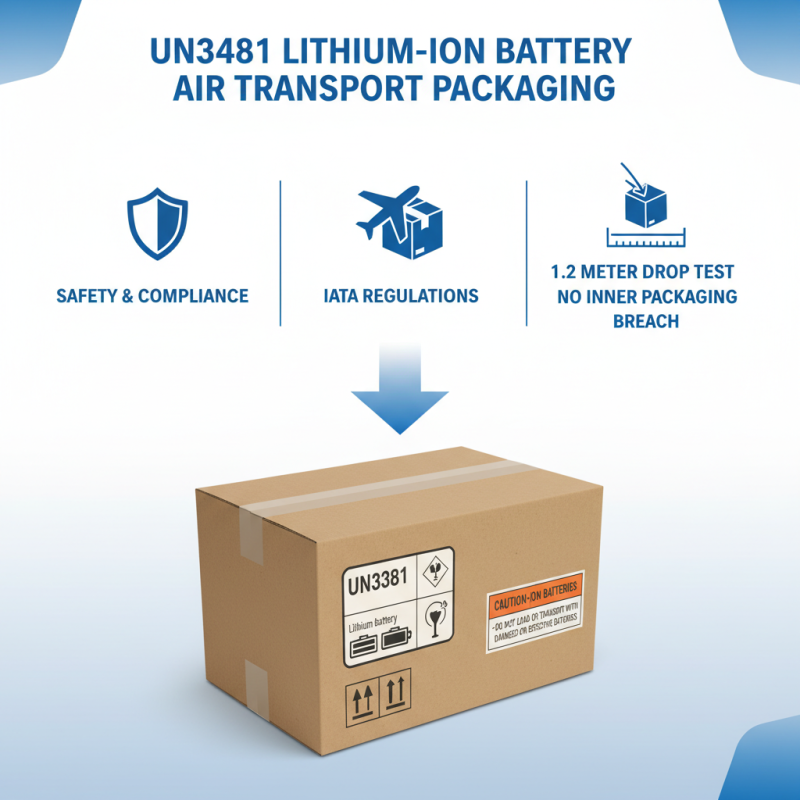
When packaging UN3481 lithium-ion batteries for air transport, safety and compliance are top priorities. According to the International Air Transport Association (IATA), these batteries must be packed to withstand rough handling and temperature changes. Specifically, the packaging must be capable of withstanding a drop test from a height of 1.2 meters without breaching the inner packaging.

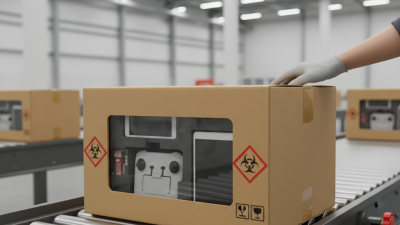
A well-designed package includes a strong outer box made from sturdy materials. Inner cushioning should absorb shocks and secure the battery. The packaging should also feature clear labeling that adheres to the UN regulations. This ensures handlers recognize the contents as lithium batteries. Organizational failures can lead to incidents. In 2021, the Transport Safety Board reported an increase in fire incidents related to improperly packaged batteries.

Environmental factors must not be overlooked. Batteries are sensitive to temperature variations. If exposed to extreme heat or cold during transport, performance could decline. A monitored temperature range is essential. The battery's state of charge before shipping also matters. Ideally, they should be shipped at a state of charge between 30% and 50%. Striking a balance between safety and efficiency is critical. Poor packaging can lead to substantial risks, questioning our current practices.

Regulatory Framework for Shipping Lithium Ion Batteries: Key Compliance Standards

Shipping lithium-ion batteries, classified as UN3481, involves strict regulatory compliance. Safety measures are vital due to potential hazards. Key regulations guide packaging, labeling, and documentation. Each battery must be packed in a way that minimizes risks during transport. Clear labeling helps identify potential dangers.

The International Air Transport Association (IATA) and the United Nations provide guidelines. They emphasize the importance of proper classification and training for handlers. Many companies still struggle with compliance. This could lead to delays and even fines. Training staff on current regulations is essential yet often overlooked.

Shipping documents must accurately reflect the battery's specifications. Incorrect information can cause significant issues. Miscommunications during shipping increase risks for everyone involved. Regular audits can help maintain compliance. They highlight areas needing improvement, but many companies do not prioritize this. Consistency in following best practices must be a focus.

Risk Assessment and Mitigation Strategies for Lithium Ion Battery Shipments

2026 Best Practices for Shipping UN3481 Lithium Ion Batteries Safely

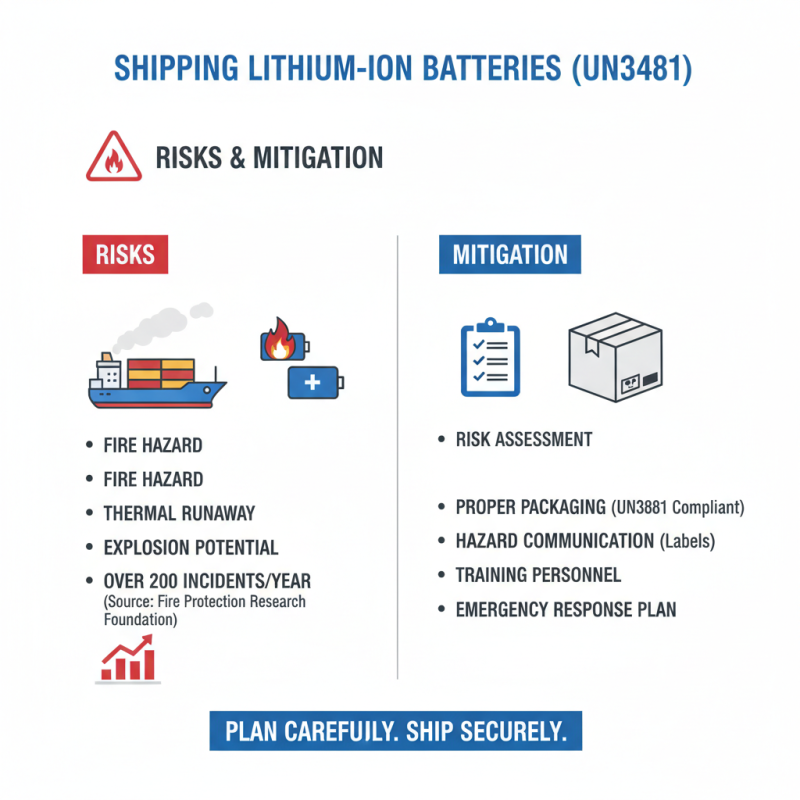
Shipping lithium-ion batteries (UN3481) requires careful planning. Risks associated with battery shipments are significant. According to the Fire Protection Research Foundation, over 200 reported incidents relate to battery fires in transit every year. This statistic underscores the necessity for risk assessment and development of mitigation strategies.

Tip: Always assess your shipping route. Risk factors vary by location and weather conditions. Consider historical data on incidents in the regions you will pass through.

Mitigation strategies include proper packaging and labeling. Avoid using damaged or loosely packed batteries. The International Air Transport Association (IATA) emphasizes that proper containment drastically lowers fire risks. Regular training for shipping personnel can also help. Ensure everyone understands the nuances of handling lithium-ion batteries.

Tip: Conduct frequent drills. Simulate different emergency scenarios to improve response times. Records of past incidents can guide the training process.

Remember, the stakes are high. While technology in battery design improves, vigilance remains key. Every shipment is a step toward safer practices in the industry.

Handling and Training Requirements for Personnel Involved in Battery Shipping

Shipping UN3481 lithium-ion batteries involves unique challenges. Personnel responsible for handling these batteries must undergo specific training. Understanding the risks associated with lithium-ion batteries is crucial. Improper handling can lead to severe consequences, both environmentally and economically. Employees should know the characteristics of these batteries, including their flammable nature.

Training programs need to incorporate hands-on experience. Simulated scenarios can help staff recognize potential hazards. It's also vital to cover emergency procedures. Regular refresher courses can help maintain awareness. Employees sometimes overlook routine checks. This can lead to mistakes during packaging and labeling.

Documentation must be clear and accessible. Staff should understand regulatory requirements around shipping these batteries. However, mistakes may still occur in paperwork. It’s essential to foster a culture of safety. Encourage team members to speak up about uncertainties. Openness can prevent accidents and improve overall safety practices.

Emergency Response Procedures for Incidents Involving UN3481 Batteries

Handling incidents involving UN3481 lithium-ion batteries requires a solid emergency response plan. These batteries can catch fire or explode when damaged or improperly handled. In 2021, the National Fire Protection Association reported over 1,300 incidents linked to lithium batteries. Understanding the proper protocols is crucial for safety.

Proper training is vital for all personnel involved in shipping these batteries. Knowledge of basic first response actions can mitigate risks. For instance, if a fire occurs, use a Class D fire extinguisher designed for metal fires, not water. Keeping safety data sheets (SDS) on hand can provide crucial information about the specific battery types being shipped.

Moreover, prepare for potential leaks. Every team should have spill kits readily available. These kits should contain absorbent materials and protective gear. Regular drills can help reinforce responses. Reflecting on past incidents can reveal shortcomings in procedures. Continuous improvement is key to effective incident management, ensuring all safety measures are up to date.

2026 Best Practices for Shipping UN3481 Lithium Ion Batteries Safely

Best Practice Description Emergency Response Procedure Contact Information
Proper Packaging Use UN approved packaging with appropriate labeling. Isolate the incident area and move away from ignition sources. Local emergency services: 911
Battery State of Charge Ship batteries at a charge level between 30% and 50%. Evacuate personnel and call for hazardous material teams. Hazardous Materials Team: 1-800-555-0199
Transport Regulations Follow all national and international transport regulations. Inform authorities and provide documentation to first responders. National Transport Agency: 1-800-555-0210
Training Personnel Ensure all personnel are trained in handling and shipping lithium batteries. Conduct a safety briefing immediately in case of an incident. Training Coordinator: 1-800-555-0176
Labeling and Marking Clearly label packages as containing lithium batteries. Prepare to contain leaks or spills and notify emergency teams. Emergency Spill Response: 1-800-555-0188
Back to top