7 Best Profile Wrapping Machines for Global Buyers?
Choosing the right Profile Wrapping Machine is rarely about speed alone. Global buyers must examine material compatibility, wrapping quality, automation, maintenance, and local support. A machine may process aluminum, MDF, PVC, or engineered wood profiles, yet perform differently with each surface. Small variations matter. A loose edge can ruin an entire production batch.
Luca Ferri, a veteran profile-wrapping engineer, says, “A stable finish begins with controlled tension, not maximum speed.” That principle deserves attention. High output looks impressive on a brochure. However, consistent pressure, accurate adhesive application, and reliable temperature control usually determine long-term value. Buyers should request sample trials using their real profile shapes, film types, and production targets.
This guide reviews seven Profile Wrapping Machine options for international purchasers. It considers line speed, roller design, glue systems, profile adjustment, operator access, energy use, and after-sales service. Safety documentation and regional technical support also deserve careful checking. Equipment availability can vary widely between markets.
No machine wins every workshop. That is the uncomfortable part. A compact model may suit a growing factory, while a fully automated line may better serve continuous production. I would not trust rankings based only on advertised speed. Installation quality, spare-part access, and operator training can change the result. Buyers should compare measurable evidence, not polished promises. Even this guide has limits, because factory conditions differ. Still, the shortlist offers a practical starting point for informed evaluation.
What Is a Profile Wrapping Machine and How Does It Work?
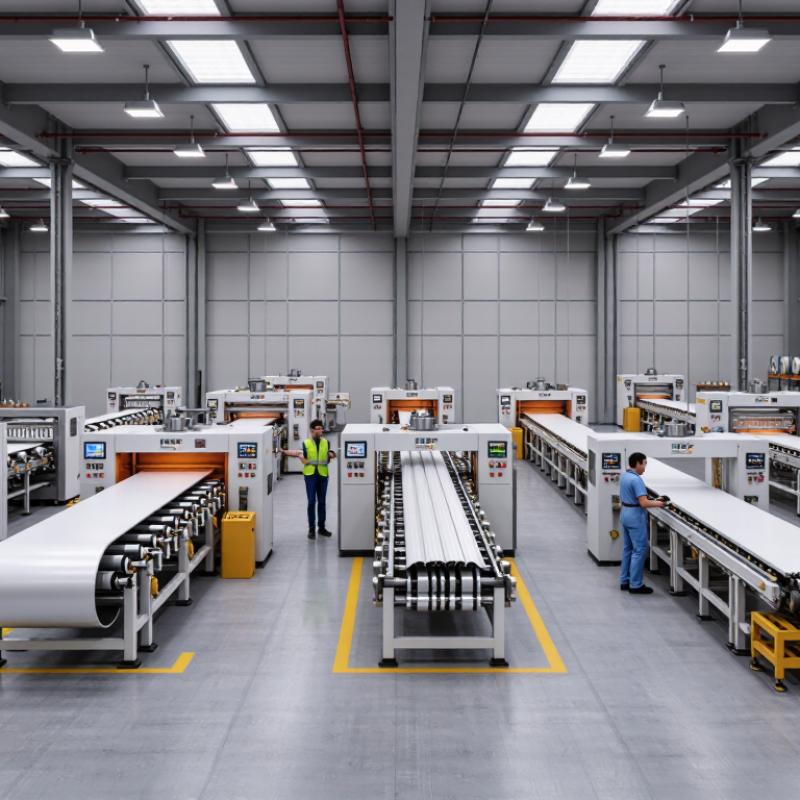
A profile wrapping machine covers long, narrow products with decorative paper, film, or veneer. Common profiles include door trims, window frames, skirting boards, and furniture mouldings. The machine creates a consistent surface while reducing manual wrapping time. It is useful when products require repeatable appearance and stable production quality.
The process starts with profile feeding and alignment. Guide rollers keep the workpiece centered as it enters the wrapping section. An adhesive unit applies controlled glue to the profile or wrapping material. Heated rollers may soften the adhesive and press the material around corners. Forming rollers then remove loose areas, bubbles, and wrinkles. Cutting or trimming units finish the edges at the required length. Sensors monitor speed, position, and material tension during operation.
Small errors matter. Too much glue can stain the surface or increase curing time. Too little pressure may create lifting edges after storage. Operators should test several profile shapes before full production. A narrow groove, sharp corner, or uneven substrate can change the result quickly. In practice, the machine’s rated speed is not always its best working speed. Stable feeding often matters more than maximum output. Buyers should examine adjustment range, cleaning access, spare-part availability, and operator training. Machines should also match local electrical standards and workplace safety requirements. A documented trial with real profile samples provides more reliable evidence than a catalogue specification.
How to Match Machine Specifications With Different Profile Materials
Choosing among the 7 best profile wrapping machines starts with the material, not the machine price. PVC profiles need stable heating, accurate film tension, and controlled roller pressure. A temperature range around 40–60°C often suits many PVC foils, but each adhesive system behaves differently. Test it.
ABS requires gentler heat because excessive temperature can cause warping or surface marks. Aluminum profiles need stronger feeding control and suitable primers, especially with powder-coated surfaces. Veneer and paper films demand precise glue application, steady moisture control, and slower acceleration. According to Grand View Research, the global plastic extrusion market was valued at about USD 246.9 billion in 2023, with continued growth expected. This signals wider material variety, not one universal machine setting. MarketsandMarkets also projects the wood-plastic composite market to reach roughly USD 11.4 billion by 2028. Machine flexibility therefore matters.
Tips: Ask for sample trials using your actual profile, film, adhesive, and production speed. Check wrapping width, minimum radius, roller adjustment, heating zones, and cleaning access. A machine rated for 80 meters per minute may run slower with textured foil or deep grooves. That is not failure. It is often the safer setting. Record pressure, temperature, and speed during trials. I would also inspect edges after 24 hours, because weak bonding can appear later.
Buying, Installation, and After-Sales Considerations for International Markets
When comparing seven profile wrapping machines for global purchase, examine the complete supply package, not only the machine price. Check profile dimensions, wrapping speed, film compatibility, changeover time, and control-system language. Ask for recent test videos using materials similar to yours. A polished demonstration can hide difficult adjustments. Request a written output guarantee based on measurable conditions.
Installation planning should begin before shipment. Confirm voltage, air pressure, floor space, drainage, lifting points, and local safety requirements. Prepare a layout showing operator access and film storage. Remote installation can reduce costs, but it depends on stable internet, clear manuals, and a trained technician on site. Short training is risky. Operators should practice film loading, tension control, sensor calibration, fault recovery, and routine cleaning. Keep spare sensors, belts, heating elements, and fuses available locally.
After-sales support often determines long-term value. Include response times, remote diagnosis, software support, spare-parts pricing, and technician travel terms in the contract. Ask whether troubleshooting instructions include photos and wiring diagrams. A time-zone difference may delay a simple answer for two days. That matters during production. Buyers should also verify warranty exclusions, especially for consumable parts and incorrect installation. No plan is perfect. A spare-parts list may still miss one small connector that stops the line. Record machine data, maintenance actions, and recurring faults from the first week. This evidence improves later service discussions and reveals whether promised performance matches daily operation.











