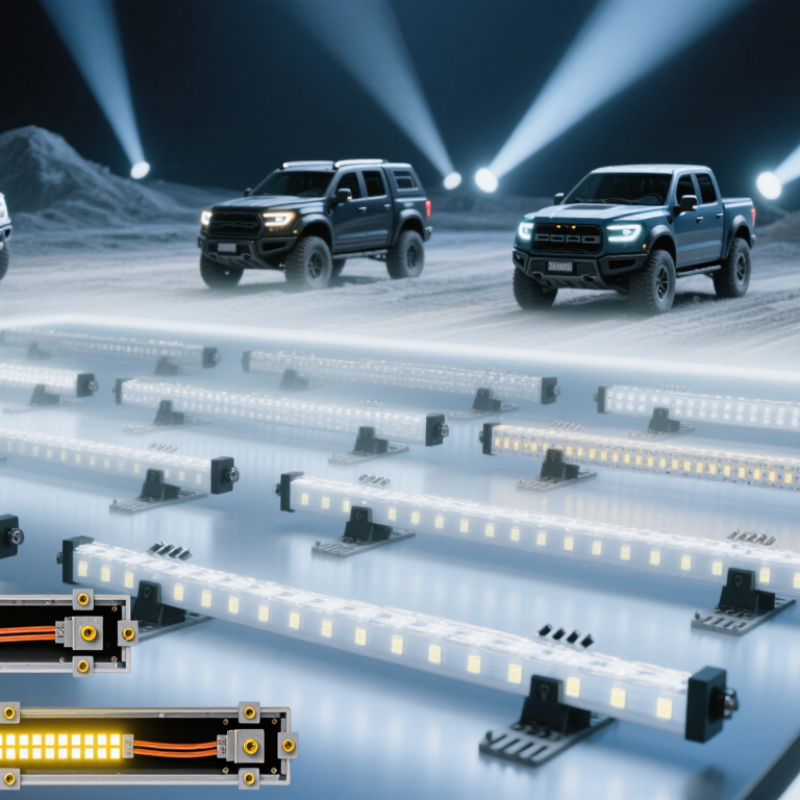
| Off-road driving | 20–40 in (about 51–102 cm) | About 60–240 W | Spot for distance, flood for nearby terrain, or a combination beam | Match the vehicle’s 12 V or 24 V system; look for a sealed housing and a published IP rating, such as IP67 or IP68. | Choose beam shape and mounting position for the terrain. Use auxiliary lights only where permitted, and avoid dazzling other road users. |
| Utility vehicle or tractor | 10–30 in (about 25–76 cm) | About 20–120 W | Wide flood or a combination beam | Confirm system voltage, current draw, connector type, and resistance to dust, water, and vibration. | Prioritize broad, even work-area illumination and a sturdy mounting bracket over maximum advertised brightness. |
| Construction or job-site equipment | 10–30 in (about 25–76 cm) | About 20–120 W | Flood for close-range coverage; combination beam for mixed near and far work | Check the operating-voltage range and whether the unit is suitable for the equipment’s vibration and weather exposure. | Consider glare, beam spread, and placement so the operator can see the work area without harsh reflections. |
| Marine or outdoor equipment | 10–30 in (about 25–76 cm) | About 20–120 W | Flood for deck or nearby-area lighting; spot for longer-range visibility | For saltwater exposure, verify corrosion-resistant materials and marine-suitable connectors; an IP rating alone does not establish saltwater corrosion resistance. | Check the manufacturer’s installation and sealing requirements, especially for cable entries and mounting points. |
| Compact vehicle or limited mounting space | 6–20 in (about 15–51 cm) | About 10–80 W | Flood or compact combination beam | Measure available space and check the light’s dimensions, mounting clearance, voltage, and fuse requirements. | Compare usable beam coverage and mounting fit rather than selecting by length or wattage alone. |
| Long-distance, off-road visibility | 20–50 in (about 51–127 cm) | About 60–300 W | Narrow spot or spot-and-flood combination | Check actual current draw, wiring and relay requirements, thermal management, and applicable local lighting rules. | Look for beam-distance data measured to a stated standard or method. A narrow spot beam reaches farther but illuminates a smaller area. |