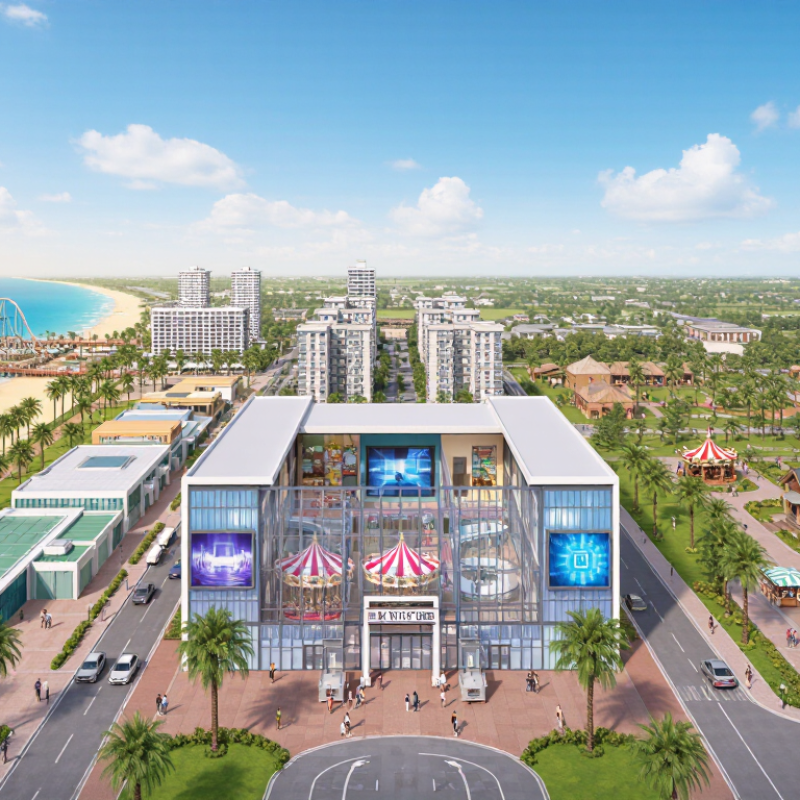
| Destination integrated resort | Admission; hotels and lodging; food and beverage; retail; events; parking and other on-site services. | Very high
Land, themed attractions, utilities, accommodation, and supporting infrastructure often require substantial upfront investment. | Can draw visitors from beyond the local market and support multi-day stays. Actual annual attendance depends on destination access, capacity, seasonality, and attraction mix. | Multiple guest-spending opportunities and the potential to extend stays beyond a single park visit. | Assess phased development options, transport access, hotel demand, infrastructure obligations, and the time required to reach stabilized operations. |
| Regional theme park | Admission; food and beverage; merchandise; parking; season passes; group visits and events. | High
Ride systems, land, maintenance facilities, safety systems, and seasonal capacity needs can be substantial. | Usually depends on repeat visitation from a regional catchment, with attendance affected by school calendars, weather, operating days, and pass usage. | Recognizable day-trip proposition and opportunities to build repeat visits through new attractions and seasonal programming. | Test the size and travel time of the catchment, competing leisure options, season length, ride replacement needs, and sensitivity to weather. |
| Indoor or climate-controlled park | Admission; food and beverage; birthday parties; group bookings; retail; games or other add-on experiences. | Medium–high
Building, climate control, specialized attractions, and indoor safety systems are major cost considerations. | Can operate through more of the year than a weather-exposed venue, but attendance remains dependent on local demand, capacity, and repeat appeal. | Reduced exposure to outdoor weather and potential to serve urban, family, and group markets year-round. | Evaluate rent or property costs, energy use, building suitability, peak-hour capacity, and the local supply of family entertainment. |
| Water park | Admission; cabanas and premium seating; food and beverage; retail; lockers; group sales and events. | Medium–high
Pools, slides, filtration, water treatment, and safety infrastructure require significant investment and ongoing maintenance. | Often concentrated in warm-weather periods or holiday peaks; indoor facilities can extend the operating season where local demand supports them. | Clear seasonal leisure proposition with several potential in-park spending opportunities. | Review climate, water supply and discharge requirements, operating season, insurance, safety staffing, and the cost of maintaining aquatic systems. |
| Zoo, aquarium, or botanical attraction | Admission or memberships; food and beverage; retail; education programs; events; donations or sponsorships where applicable. | Medium–high
Exhibits, life-support systems, animal care or horticulture, specialist staffing, and ongoing conservation or maintenance needs affect costs. | May attract local members, schools, tourists, and repeat visitors. Attendance varies with location, exhibit program, season, and operating capacity. | Education, membership, and repeat-visit programming can complement day-ticket sales. | Consider regulatory requirements, specialist operating expertise, long-term care obligations, funding structure, and the suitability of the proposed site. |
| Family entertainment center | Attraction or game charges; food and beverage; birthday parties; group bookings; memberships and packages. | Low–medium
Investment depends on venue size, equipment, fit-out, and whether the facility is leased or purpose-built. | Typically serves a local or neighborhood catchment, with demand often concentrated around weekends, holidays, and booked celebrations. | Can be developed at a smaller scale than a destination park and can combine several compact activities under one roof. | Check local household and school demand, lease terms, equipment replacement cycles, peak-time throughput, and the depth of nearby competition. |
| Traveling or temporary attraction | Ticket sales; concessions; merchandise; sponsorship or event fees where available. | Low–medium
Investment can be lower than a permanent park, but transport, setup, permits, storage, and equipment logistics remain material. | Attendance is tied to event dates, venue capacity, local promotion, and the length of each stop; results may differ substantially between locations. | Can test markets or serve multiple locations without maintaining a permanent large-scale site. | Assess permitting, transport and setup costs, weather exposure, venue agreements, safety standards, and the reliability of local ticket demand. |