Navigation

The C.L. Smith Blog

5 Best UN3091 Lithium Metal Batteries for Global Shipping?

Choosing the right UN3091 lithium metal batteries for global shipping requires more than comparing price, capacity, or brand recognition. UN3091 generally covers lithium metal batteries packed with, or contained in, equipment. That classification affects packaging, marking, labeling, documentation, and carrier acceptance. A battery that performs well in a laboratory may still create delays at a busy freight terminal.

This guide evaluates five leading options through practical shipping criteria. These include tested cell design, watt-hour and lithium-content control, protection against short circuits, packaging quality, traceable documentation, and supplier support. It also considers real handling details, such as insulated terminals, rigid inner packaging, and clear package markings. Small mistakes matter.

As lithium-battery safety specialist George Kerchner has stated, “The safest battery is the one that is properly designed, tested, packaged, and handled.” That principle shapes this comparison. Product quality alone is not enough. Exporters must confirm the battery’s classification, applicable packing instruction, and transport mode before booking a shipment. Requirements can differ between air, sea, road, destination country, and carrier.

The five selections are not universal winners. A medical device manufacturer may need a different solution than an electronics distributor. Some suppliers provide stronger compliance records but weaker international support. Others offer attractive pricing while leaving documentation responsibilities unclear. That trade-off deserves attention.

Readers should verify current IATA, ICAO, IMDG, ADR, and carrier requirements before shipping. This article offers informed guidance, not a substitute for a trained dangerous-goods professional. Mistakes remain possible, even with careful planning.

5 Best UN3091 Lithium Metal Batteries for Global Shipping?

What UN3091 Means for Lithium Metal Battery Shipments

UN3091 identifies lithium metal batteries packed with, or contained in, equipment. That distinction matters. A loose lithium metal battery normally falls under UN3090 instead. For global shipping, classification should match the actual package, not the product listing. A professional review checks lithium content, cell test records, packaging strength, terminal protection, and transport mode. Air shipments often require stricter controls than road or sea freight. Rules can change. Assumptions create expensive delays.

The five best UN3091 battery choices are not defined by appearance alone. They should have verified safety documentation, stable production quality, clear markings, protected terminals, and packaging designed for handling. Batteries must remain secured inside equipment or separated from spare units with suitable inner packaging. The correct packing instruction, such as PI 969 or PI 970, depends on the shipment details. A sturdy carton is not enough if the device can switch on during transit. This is where practical experience helps, although experience can also become a blind spot. Always confirm current carrier and destination requirements.

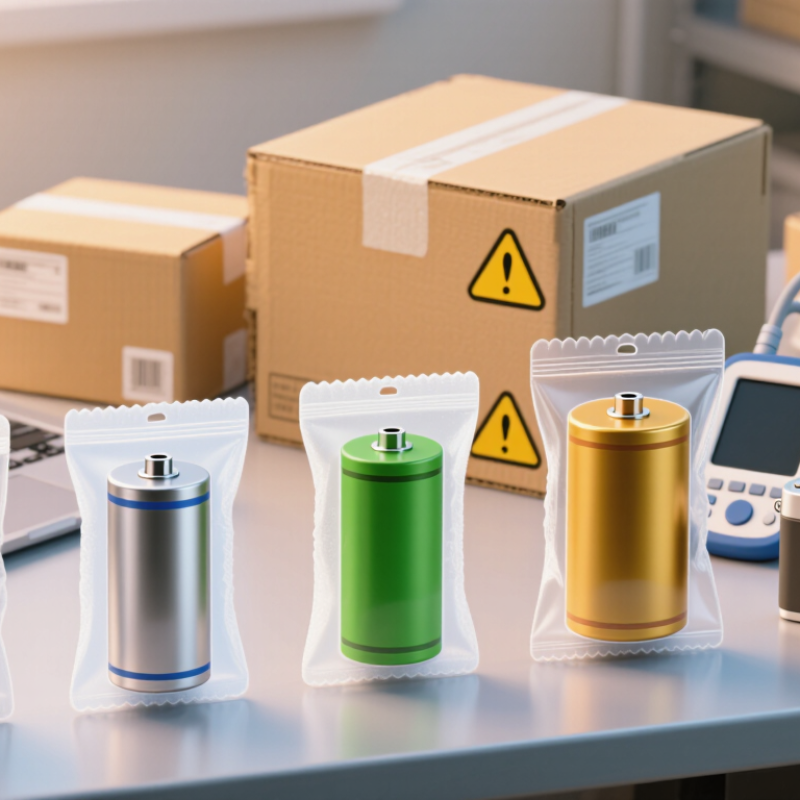
Tips: Keep the test summary and shipping documents accessible. Photograph the battery position before sealing each carton. Confirm the UN number, proper shipping name, marks, and labels with a trained dangerous-goods professional. Do not copy an old shipment blindly. One overlooked battery can change the packaging and acceptance process.

How to Evaluate Lithium Metal Batteries for Global Transport

5 Best UN3091 Lithium Metal Batteries for Global Shipping?

Evaluating UN3091 batteries starts with classification, not price. UN3091 covers lithium metal batteries contained in, or packed with, equipment. Verify the applicable IATA packing instruction before comparing products. Each cell should have a valid UN 38.3 test summary, traceable production records, and clearly declared lithium content. The best options also use insulated terminals and rigid inner packaging. Small details matter. A loose connector can become a serious transport risk.

Performance should be tested under heat, vibration, altitude, and short-circuit conditions. Ask for capacity-retention results after storage, not only fresh laboratory figures.

IATA’s 2024 Safety Report recorded 40.6 million commercial flights and 46 accidents worldwide. That report is not battery-specific, but it shows why transport controls must be practical and repeatable.

For global routes, check package weight, marking durability, documentation quality, and carrier acceptance rules. These requirements can differ between airlines and destination countries.

I would rank five battery qualities highly: verified testing, stable discharge, secure terminal protection, shock-resistant packaging, and consistent paperwork.

Do not trust a polished datasheet alone. Request batch-level evidence. It may feel excessive, yet missing records can delay a shipment for days. I still recheck lithium content and packing instructions before dispatch, because a perfect checklist can hide an imperfect assumption.

Five Top UN3091 Battery Options for Different Shipping Needs

Five Top UN3091 Battery Options for Different Shipping Needs

UN3091 covers lithium metal batteries packed with equipment or contained inside equipment. The best option depends on capacity, device design, transport mode, and destination rules. A coin-cell battery inside a small tracking tag suits lightweight parcels and low power demand. A protected battery pack for handheld instruments offers longer runtime, but requires stronger internal insulation. For medical monitoring equipment, an integrated battery can reduce movement during transit. Industrial sensors may use sealed packs for dusty or humid locations. Spare batteries packed beside equipment remain practical, yet they need careful separation and protection.

Shipping records matter as much as battery selection. The IATA Dangerous Goods Regulations, 66th Edition, published for 2025, requires accurate classification, packaging, marks, and documentation for applicable lithium metal shipments. UNCTAD’s Review of Maritime Transport 2024 states that over 80% of global merchandise trade by volume moves by sea, making sea freight attractive for larger consignments. Air freight is faster, but acceptance checks are usually stricter. Keep terminals covered. Prevent contact with metal objects.

A compliant-looking carton can still fail inspection. I have seen specifications copied without checking the actual cell chemistry. That mistake is avoidable. Confirm lithium content, watt-hour information where applicable, battery condition, and the equipment’s packing arrangement. Test the closure, not just the paperwork. Regulations and carrier policies can change, so shipment approval should come from a trained dangerous-goods professional.

Packaging, Labeling, and Documentation Requirements

For global shipping, the five strongest UN3091 choices are not brand names. They are battery configurations with verified capacity, stable terminals, and complete test records. UN3091 covers lithium metal batteries packed with or contained in equipment. The 2025 IATA Dangerous Goods Regulations require classification by lithium content, package design, and transport mode. A battery may meet air limits yet fail a carrier’s acceptance check.

Packaging must prevent movement, crushing, and accidental activation. Use inner packaging that fully encloses each battery. Add non-conductive caps or terminal protection. Strong outer packaging should resist normal handling. Under common Section II air provisions, lithium metal cells are limited to 1 gram of lithium, while batteries are limited to 2 grams. Packages also require quantity controls, a lithium battery mark, and the correct UN number. Fully regulated shipments may need a Class 9A label and a Cargo Aircraft Only label.

Documentation is where many shipments quietly fail. The shipper should retain the UN 38.3 test summary, battery specifications, packing instructions, and transport records. The 23rd revised UNECE Model Regulations support this classification framework. IATA guidance also requires accurate air waybill wording when a dangerous goods declaration is not required. Check each carrier’s current acceptance rules. They can be stricter. A rushed carton, unclear battery count, or missing test summary can delay an otherwise compliant shipment. My practical weakness is relying on one checklist; regulations and carrier portals change faster than expected.

5 Best UN3091 Lithium Metal Batteries for Global Shipping? - Packaging, Labeling, and Documentation Requirements

Recommended Battery Profile Typical Application UN3091 Configuration Lithium Content Screening Packaging Requirements Labeling and Marking Documentation and Transport Notes
1. Single-Cell Coin Battery in Equipment Watches, meters, medical monitors, calculators, and compact electronic devices. UN3091, Lithium Metal Batteries Contained in Equipment; IATA PI 970. Typically eligible for Section II when the cell contains no more than 1 g of lithium and the battery contains no more than 2 g of lithium. The equipment must be rigid, cushioned against movement, and protected from accidental activation. Outer packaging must prevent crushing and short circuits. Lithium battery mark is generally required for air transport under Section II. The Class 9 lithium battery hazard label is not normally required for Section II shipments unless specifically required by the carrier or authority. Battery design must comply with UN 38.3 testing. A transport document or shipper’s declaration is generally not required for qualifying Section II shipments, but the air waybill and carrier acceptance procedures must be checked.
2. Multi-Cell Battery Pack in Equipment Portable instruments, handheld scanners, cameras, GPS devices, and industrial control equipment. UN3091, Lithium Metal Batteries Contained in Equipment; IATA PI 970. For common Section II eligibility, each cell must not exceed 1 g of lithium and each battery must not exceed 2 g of lithium. The actual battery specification must be verified. Prevent battery movement inside the device, isolate exposed terminals, and use strong outer packaging. Equipment should be protected against accidental operation during transit. Apply the lithium battery mark when Section II air-shipping conditions require it. Do not place the battery mark over a seam or on a surface that is difficult to inspect. Keep the UN 38.3 test summary available. If the lithium content exceeds the applicable Section II limits, the shipment moves to Section I requirements, including regulated dangerous-goods documentation.
3. Spare Battery Packed with Equipment Replacement batteries shipped in the same package as compatible equipment but not installed in it. UN3091, Lithium Metal Batteries Packed with Equipment; IATA PI 969. For common Section II eligibility, each cell must not exceed 1 g of lithium and each battery must not exceed 2 g of lithium. Each spare battery must be individually protected against short circuit, such as by an inner packaging, terminal cap, or non-conductive pouch. The battery must be secured so it cannot move or contact equipment. Lithium battery mark is generally required for qualifying Section II air shipments. A Class 9 label may be required if the shipment is handled under Section I or another applicable dangerous-goods provision. Use the correct packing instruction on the transport paperwork. Do not describe spare batteries as “contained in equipment.” The battery must have passed UN 38.3 tests before transport.
4. Higher-Capacity Battery Pack Packed with Equipment Professional photographic equipment, surveying instruments, robotics controllers, and specialized electronic systems. UN3091, Lithium Metal Batteries Packed with Equipment; IATA PI 969, normally Section I when applicable limits are exceeded. A battery containing more than 2 g of lithium, or a cell containing more than 1 g, generally cannot use the simplified Section II pathway. Use UN specification packaging where required, provide effective cushioning and terminal protection, and keep the battery secured beside the equipment. Packaging must withstand normal air-transport handling. Apply the Class 9 lithium battery hazard label and the applicable lithium battery mark. A Cargo Aircraft Only label may be required when the applicable air-transport provision restricts carriage to cargo aircraft. A Shipper’s Declaration for Dangerous Goods is generally required for Section I shipments. The air waybill must contain the required dangerous-goods statement, and the carrier must accept the shipment before tender.
5. High-Content Battery Contained in Equipment Large specialist devices, emergency communication equipment, laboratory instruments, and ruggedized field systems. UN3091, Lithium Metal Batteries Contained in Equipment; IATA PI 970, normally Section I when applicable limits are exceeded. Battery and cell lithium content must be calculated from the manufacturer’s technical data. Values above the Section II thresholds require full dangerous-goods controls. Install and secure the battery inside the equipment, prevent accidental activation, protect terminals, and use strong outer packaging. The package must prevent damage to the equipment and battery. Use the Class 9 lithium battery hazard label, the required handling marks, and any applicable Cargo Aircraft Only label. The UN number and proper shipping name must appear as required by the selected transport mode. Prepare a Shipper’s Declaration for Dangerous Goods when required by Section I. Include the correct UN number, proper shipping name, packing instruction, net quantity, emergency contact details, and carrier-specific information.
Important compliance note: UN3091 applies only to lithium metal batteries packed with equipment or contained in equipment. Standalone lithium metal batteries are generally assigned to UN3090. Requirements vary by transport mode, origin, destination, carrier, battery design, lithium content, and shipment quantity. Verify the current IATA Dangerous Goods Regulations, applicable national regulations, and carrier acceptance instructions before shipping.
Core verification checklist: UN 38.3 test compliance; accurate lithium content; correct UN number and proper shipping name; suitable inner and outer packaging; protection against short circuit and accidental activation; correct lithium battery mark or Class 9 label; and complete transport documentation.

Choosing the Right UN3091 Battery for International Delivery

Choosing the right UN3091 battery for international delivery starts with accurate classification. UN3091 covers lithium metal batteries contained in equipment or packed with equipment. Standalone lithium metal batteries use another designation. This distinction affects packaging, marks, documents, and carrier acceptance.

Check the battery’s lithium content, quantity, equipment design, and outer packaging before booking transport. A rugged device still needs protection against movement, crushing, and accidental activation. Terminals should remain protected from short circuits. Use tested packaging when required, and keep the battery firmly separated from loose metal objects. Small details matter. Labels must remain visible after handling.

International rules can vary by transport mode, destination, and current carrier policy. Review the latest air transport requirements and national regulations before shipping. Ask a trained dangerous goods professional to confirm the applicable packing instruction, documentation, and emergency information. I have found that a box can look perfectly safe while its paperwork remains incomplete. That is an easy mistake to underestimate. Do not guess. Record the battery specifications, inspect the packed shipment, and confirm acceptance with the carrier before dispatch. A reliable UN3091 choice is not simply the battery with the highest capacity; it is the battery, equipment, packaging, and documentation combination that meets the shipment’s real conditions.

Back to top