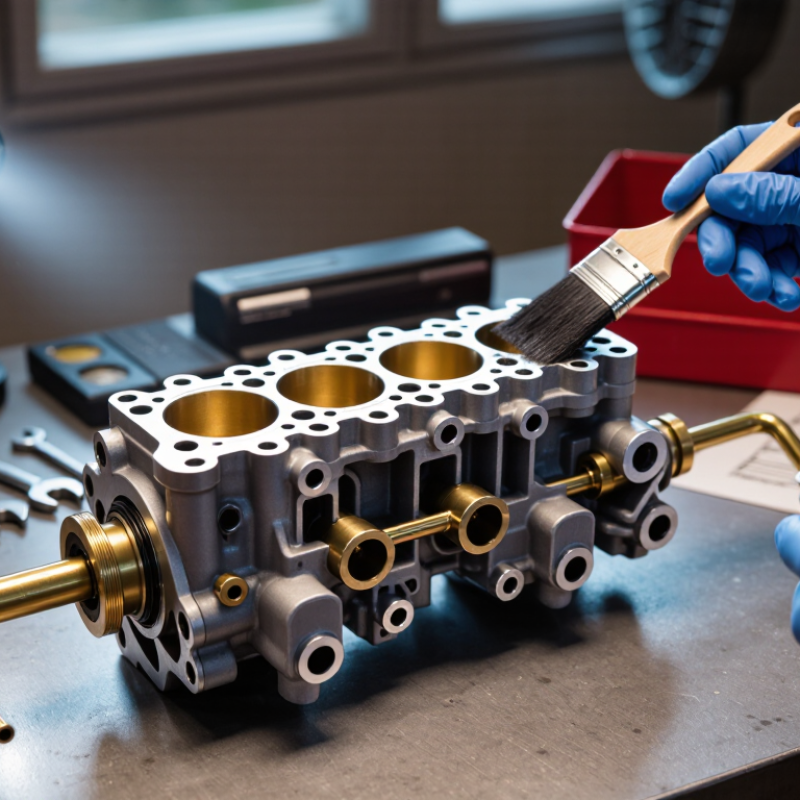
Reassembling a carburetor requires patience, clean hands, and careful attention to small parts. Let every component dry completely after using carburetor cleaner. Solvent trapped inside a passage can affect starting and idle quality. Inspect the float, needle valve, jets, gasket, and throttle shaft for wear. Replace damaged seals instead of forcing them back into place.
Follow the original orientation of each part. A misplaced linkage can prevent the throttle from closing safely. Tighten screws evenly, but avoid excessive force. Soft metal threads can strip easily. I once installed a bowl gasket slightly out of position, and the engine developed a slow fuel leak. That mistake reminded me to check the seal from every angle before tightening.
After reassembly, reconnect the fuel line and check for leaks before starting the engine. Keep the area ventilated and remove ignition sources. Start the engine without immediately adjusting every screw. Let it warm briefly, then observe idle speed, throttle response, exhaust smoke, and unusual sounds. A healthy response should feel smooth, not hesitant. If the engine stalls, hunts, or smells strongly of fuel, stop and inspect the float level, jet placement, and gasket seating. Do not guess for too long. Compare each adjustment with the manufacturer’s service specifications. Performance may improve, but perfection is not always immediate.