Navigation

The C.L. Smith Blog

China Top Polar Cooler Box Manufacturers and Suppliers

Choosing a Polar Cooler Box manufacturer in China involves more than comparing prices. Buyers need to examine insulation performance, usable capacity, construction quality, and production consistency. A box may look sturdy in a product photo, yet weak hinges or a poorly fitted lid can affect daily use. Details matter.

This guide introduces manufacturers and suppliers serving different needs, from compact picnic coolers to larger models for outdoor, retail, and commercial use. It also explains what to ask before requesting a quotation. Check wall thickness, gasket design, drainage fittings, handle strength, and available colors. Request product specifications and, where practical, a sample for inspection. Clear evidence is more useful than broad claims about cooling performance.

Supplier selection also depends on order size, customization, lead time, and communication. Ask how the factory checks dimensions, sealing, and appearance during production. Confirm packaging details, carton measurements, and whether sample approval is available before a larger order. These steps can prevent avoidable surprises. Still, no supplier is the best fit for every buyer. A low unit price may come with trade-offs, while an impressive catalog cannot replace verified product details. Compare several offers carefully, and record what each one includes. A little uncertainty remains until samples and production records are reviewed. That is worth acknowledging. This overview aims to help buyers assess options with practical questions, realistic expectations, and a clearer understanding of China’s Polar Cooler Box supply market.

China Top Polar Cooler Box Manufacturers and Suppliers

Polar Cooler Boxes: Design, Materials, and Common Applications

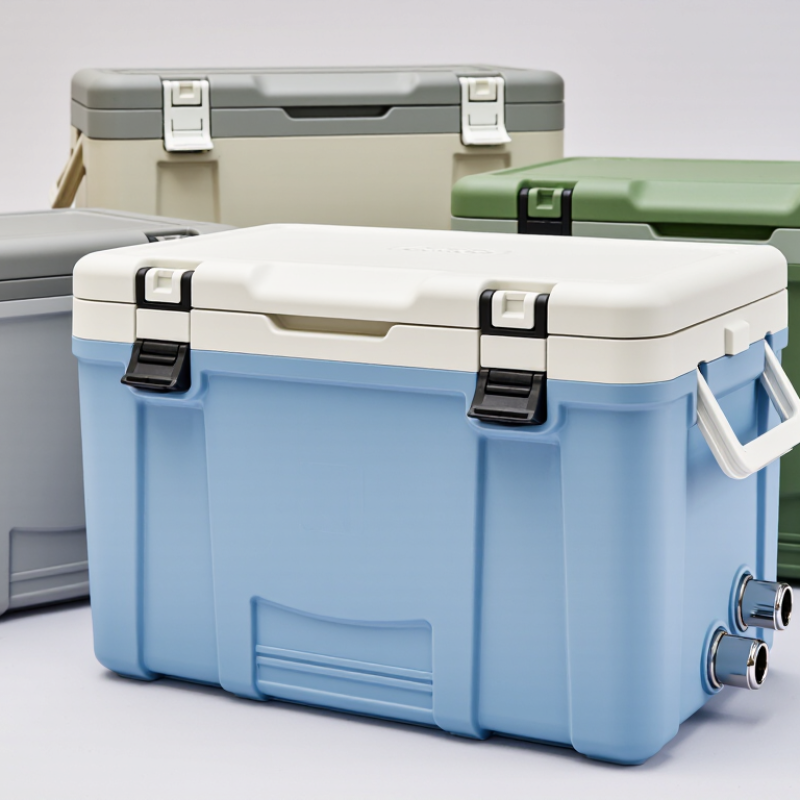
A polar cooler box is built around a simple goal: slow heat entering the storage space. A well-fitted lid, continuous gasket, and sturdy hinges help reduce warm-air exchange. Details matter. A loose latch can leave a narrow gap, especially after repeated use. Many designs pair a molded polyethylene shell with polyurethane foam insulation, while lighter models may use expanded polypropylene. The right choice depends on expected loads, cleaning routines, and transport conditions. Handles should feel secure when the box is filled with ice and drinks, not just when empty.

These boxes serve outdoor catering, fishing trips, road travel, and temporary cold storage for groceries or packed meals. A drain plug makes melted ice easier to remove after a long day. Smooth inner walls also help with wiping, though corners can still collect residue. Not perfect. Cooling performance depends on ambient temperature, how often the lid opens, and the amount of ice loaded. For example, a box left in direct sun beside a vehicle will warm faster than one kept in shade. Buyers comparing suppliers can ask about insulation thickness, seal durability, and test conditions. A single “hours cold” figure rarely tells the whole story.

Typical Thermal Conductivity of Polar Cooler Insulation Materials

Lower thermal conductivity generally indicates better resistance to heat transfer. Values shown are representative approximations; actual performance varies with material grade, density, temperature, and cooler construction.

China’s Polar Cooler Box Manufacturing Industry

China’s polar cooler box industry draws on a broad plastics and insulation supply chain. Manufacturers typically combine molded outer shells, insulated walls, fitted lids, hinges, latches, and drainage plugs. Small details matter: a lid that sits unevenly can compromise sealing, while a poorly fitted drain may leak during transport. Buyers should assess insulation performance, material thickness, and test conditions—not just advertised ice-retention hours.

The National Bureau of Statistics of China reported that the country produced 74.885 million tonnes of plastic products in 2023, a broad measure of upstream capacity, not cooler-box output. That distinction matters. Large-scale plastics production can support sourcing and manufacturing, but it does not prove that every factory has strong quality controls or consistent insulation. Ask suppliers for sample test results and production tolerances. Check hinge alignment and gasket contact in person, if possible. There is room for improvement. Export-ready documentation and repeatable testing still deserve careful scrutiny, especially when specifications differ between samples and bulk orders.

Types of Polar Cooler Box Manufacturers and Suppliers

China Top Polar Cooler Box Manufacturers and Suppliers
Types of Polar Cooler Box Manufacturers and Suppliers

Polar cooler box suppliers generally fall into three groups: rotational-molding factories, injection-molding producers, and soft-cooler makers. Rotational-molded boxes often have thick walls and sturdy hinges for rough outdoor use. Injection-molded models suit larger orders and consistent sizing. Soft-sided suppliers focus on lighter bags with flexible compartments. No type wins every job.

Grand View Research estimated the global cooler market at about USD 5.3 billion in 2023, with projected growth through 2030. This broad market figure is not specific to polar boxes, but it signals demand across leisure and food transport. Buyers should also distinguish factories from trading suppliers. A factory may control tooling and insulation tests; a trading supplier may offer more product choices, but less direct process oversight. A polished specification sheet can miss hinge wear or lid leakage. Test samples under real use.

Tips: Ask for insulation test conditions, wall thickness, and production lead time. Check a sample with ice and repeated opening. Small details matter.

China Top Polar Cooler Box Manufacturers and Suppliers - Types of Polar Cooler Box Manufacturers and Suppliers
Cooler Box Type Typical Construction Insulation and Cooling Common Formats Typical Applications Supplier and Manufacturing Considerations
Injection-Molded Hard Cooler Rigid plastic inner and outer shells, commonly made from molded polyethylene or polypropylene, with an insulated space between them. Insulation may include polyurethane foam or other insulating materials. Cooling is passive and typically uses ice or reusable ice packs. Portable boxes, lidded containers, and stackable models in a range of sizes. Food and beverage transport, outdoor recreation, and general cold storage. Ask about resin options, wall construction, lid and latch design, color selection, and available product testing.
Rotomolded Hard Cooler Rotationally molded plastic shell, often designed with a robust body and molded-in features. Insulation is incorporated into the body; cooling performance depends on insulation thickness, lid fit, contents, and ambient conditions. Heavy-duty portable chests, larger-capacity boxes, and models with molded handles or drain fittings. Camping, fishing, boating, and other demanding outdoor use. Check mold availability, product weight, hardware materials, drain design, production lead time, and customization requirements.
EPS Foam Cooler Box Expanded polystyrene foam formed into a lightweight body, sometimes supplied with a separate lid or protective outer carton. The foam structure provides insulation; the box is generally used with ice, gel packs, or pre-cooled contents. Lightweight shipping boxes, food containers, and protective inserts in multiple shapes. Perishable food delivery, seafood packaging, and temperature-sensitive shipment packaging. Confirm dimensions, foam density, lid fit, packaging configuration, and local rules for foam packaging and disposal.
EPP Foam Cooler Box Expanded polypropylene foam molded into a reusable, lightweight container. Insulating performance comes from the cellular foam structure; cooling is passive unless combined with a separate cooling element. Reusable transport boxes, fitted containers, and molded protective packaging. Reusable food distribution and protective transport where low weight and impact resistance are useful. Discuss foam grade, shape complexity, reusable-cycle requirements, cleaning needs, and returnable-packaging logistics.
Insulated Soft Cooler Flexible fabric outer layer with an insulated lining and, in many designs, a foam layer and leak-resistant liner. Passive insulation; performance varies with insulation thickness, closure design, and use of ice packs. Shoulder bags, tote-style coolers, backpacks, and foldable insulated bags. Picnics, commuting, short trips, and portable food or drink storage. Review fabric and liner specifications, seam construction, closure type, carrying hardware, and print or color options.
Insulated Shipping Container Insulated box or panel assembly, often paired with an outer corrugated carton and internal payload packaging. Passive temperature control may use ice packs, gel packs, or other qualified coolants; packaging must be selected for the shipment conditions. Parcel-sized shippers, reusable distribution containers, and custom-fit transport packaging. Food distribution and temperature-controlled transport of products requiring protection from ambient temperature changes. Specify payload, route duration, expected ambient conditions, coolant arrangement, and packaging validation needs before sourcing.
Refrigerated Electric Cooler Insulated enclosure with an electrical cooling system; some portable models use thermoelectric technology, while others use a compressor. Active cooling depends on the system type and power supply. Operating range, power draw, and cooling performance vary by model. Portable powered coolers and vehicle or travel units. Road travel, vehicle use, and applications requiring powered cooling rather than ice-only operation. Check power input, cooling technology, electrical safety documentation, operating instructions, and applicable destination-market requirements.
Specifications and performance vary by design and supplier. For a fair comparison, request product drawings, material details, test conditions, and samples; do not treat passive cooler performance as a fixed duration without testing under defined conditions.

Production Standards, Customization, and Quality Control

When evaluating polar cooler box manufacturers and suppliers in China, examine the production process, not just catalog photos. Ask how each factory controls resin selection, molding temperature, wall thickness, and lid fit across batches. Small variations matter. An uneven gasket can release cold air, while a thin corner may crack after repeated handling. Request written specifications for insulation material, usable capacity, load limits, and temperature tests. Confirm the test conditions, including ambient temperature and cooling load. Without those details, performance claims are hard to compare.

Customization should be documented before tooling begins. Options may include dimensions, colors, drain plugs, handles, hinges, and printed markings. Each change can affect tooling costs, lead time, cleaning, or strength. Request a pre-production sample and check its dimensions, seams, lid closure, and leakage. Compare it with approved drawings, then retain batch inspection records. Not every supplier will catch every flaw. Agree on defect limits, inspection frequency, packaging checks, and corrective-action timing before production. Keep one approved sample for comparison.

How to Evaluate and Source a Supplier in China

When evaluating China’s polar cooler box manufacturers and suppliers, start with the factory, not the catalogue. UNIDO’s International Yearbook of Industrial Statistics places China’s share of global manufacturing value added at roughly 30%. That scale offers sourcing options, but it does not prove any individual supplier can control insulation or sealing quality. Request a recent production sample, then inspect the lid gasket, hinge alignment, drain plug, and foam coverage. Ask how thermal retention is tested, including the test load, ambient temperature, and measurement points. A temperature graph without its test method is weak evidence.

Check whether the supplier makes the box or outsources key steps. Ask for material specifications, batch inspection records, defect-handling procedures, and a clear production lead time. The World Bank’s 2023 Logistics Performance Index ranked China 19th among 139 economies; this is useful logistics context, not a promise of on-time delivery. Confirm packaging dimensions and shipping plans against your own route. A spreadsheet can look precise and still miss a weak seam. I would compare samples from more than one production batch, because one good sample may be luck. Small detail. A video call can show machinery, but it cannot replace independent inspection or documented repeat testing. Keep written specifications for color, capacity, insulation, and acceptable defects before approving a purchase order.

Back to top