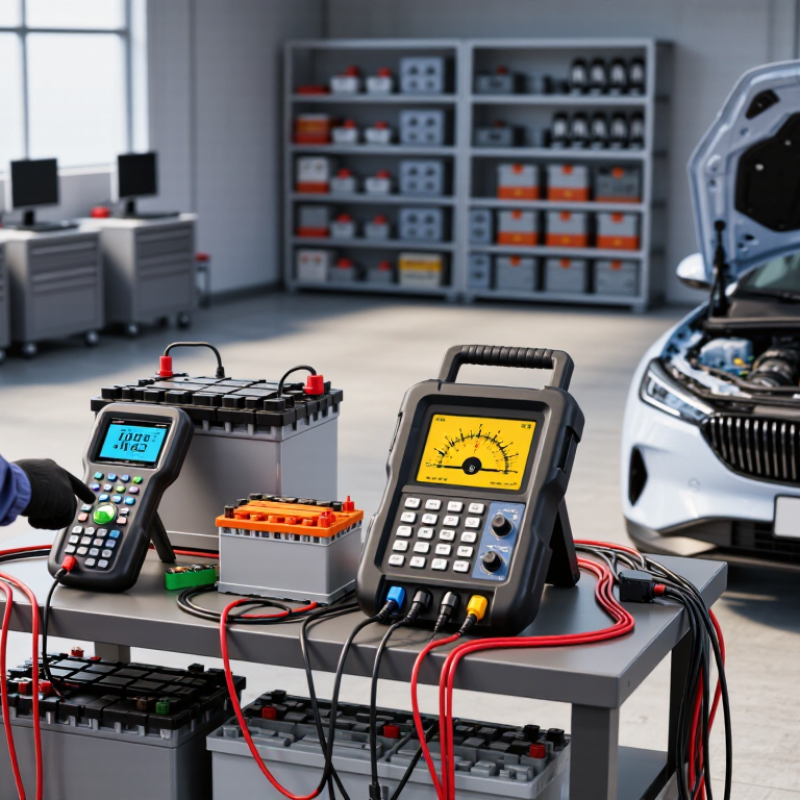
For automotive battery testers in China, compare supplier capabilities beyond the product range. Request sample reports for cranking, charging, and battery health tests, along with supported voltage ranges and temperature limits. A clear datasheet should explain accuracy, repeatability, and test conditions, not merely list functions. Details matter. Ask whether calibration records are available and verify that certificates are current and relevant to the supplier’s operations. A certificate logo alone tells little. If your facility handles several battery types, confirm that the tester supports each profile without manual workarounds.
Support is equally practical. Ask who handles technical questions, what time zone they work in, and what response time you can expect. Request the service manual, firmware update process, warranty terms, and spare-part lead times before ordering. Proof matters. A video call can show whether staff can explain a confusing result, such as low conductance after a recent charge. Also check how failed units and replacement requests are documented. Training may be available remotely or on site, but confirm costs and language options in writing. During a pilot, record setup time, repeated readings, and support delays. A small trial can still miss an edge case, but it may reveal gaps hidden by a polished quotation.