| Photometric performance | Specify the required SAE J845 warning-lamp class and the exact lightbar configuration to be tested. | Photometric performance depends on the complete assembly, including LED modules, optics, colors, and flash patterns. | Request the applicable test report for the exact model and configuration. Do not treat a component-level claim as proof for the complete lightbar. |
| Regulatory requirements | Requirements may include SAE J845 for warning-lamp photometry or UNECE Regulation No. 65 where applicable. | Rules differ by country, vehicle class, warning-light color, and intended use. | Confirm the destination-market requirements and obtain documentation showing which model, color, and operating modes were assessed. |
| Operating voltage | Common vehicle-system options include 12 V DC and 24 V DC; confirm the permitted input-voltage range for the selected model. | Correct voltage compatibility helps prevent installation issues and electrical damage. | Check the product datasheet, polarity protection, start-up behavior, and measured current draw at the intended voltage. |
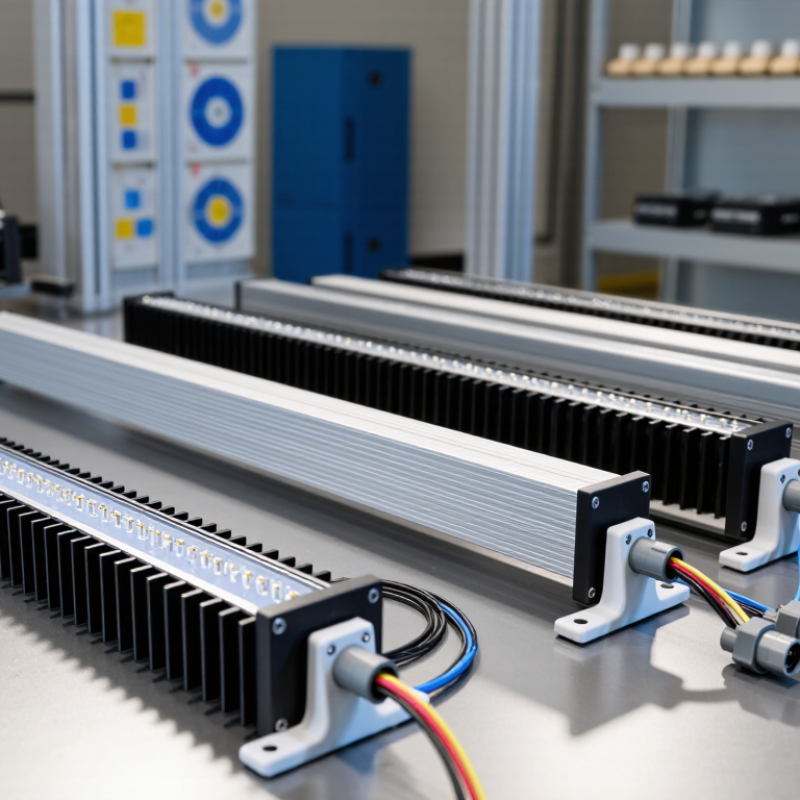
| Lightbar length | Common market sizes include approximately 24, 36, 48, and 54 inches, with availability varying by design. | Length affects roof fit, visibility, mounting position, and vehicle clearance. | Confirm overall dimensions, mounting-foot spacing, cable exit position, and clearance from roof equipment. |
| LED colors and optics | Color and module combinations should be selected for the permitted application and local regulations. | Color, lens design, and module placement influence visibility and legal suitability. | Request a configuration drawing and confirm that the tested model uses the same colors, optics, and module layout as the order. |
| Flash patterns and controls | Options may include selectable flash patterns, synchronization, dimming, and external control inputs. | Control features affect fleet compatibility, driver operation, and installation complexity. | Confirm the number of patterns, control-wire functions, synchronization method, and whether the selected mode is permitted locally. |
| Housing and lens materials | Typical constructions use an aluminum housing or extrusion with polycarbonate lenses. | Materials influence strength, heat management, corrosion resistance, and long-term outdoor exposure. | Ask for material details, UV-resistance information, corrosion-protection specifications, and maintenance guidance. |
| Ingress protection | Specify the required IP rating for the assembled lightbar and its connection points. | Dust and water resistance are important for vehicles exposed to rain, washing, dust, or road spray. | Request the test report for the stated rating and clarify whether it covers the complete assembly, cable entry, and connectors. |
| Electrical and EMC compatibility | Ask about transient protection and electromagnetic compatibility testing relevant to the vehicle installation. | Vehicle electrical systems can experience voltage disturbances, while electronic equipment may be affected by electromagnetic interference. | Review test documentation against the standards and limits required for the destination vehicle and market. |
| Mounting and installation | Common mounting approaches include permanent mounting and vehicle-specific or universal foot kits. | Secure mounting reduces vibration-related movement and helps maintain the intended lightbar position. | Confirm mounting hardware, roof-curvature compatibility, cable routing, installation instructions, and any drilling requirements. |
| Power and thermal design | Power consumption varies with bar length, LED count, selected colors, and operating mode. | Accurate electrical load and heat management information supports safe wiring and dependable operation. | Request maximum current draw, recommended fuse rating, wire guidance, and operating-temperature limits for the exact configuration. |
| Quality and production controls | Useful records include incoming-material checks, production inspection, and final functional testing. | Documented controls help buyers assess consistency between samples and production orders. | Ask for inspection criteria, traceability information, sample approval procedures, and the process for handling nonconforming units. |
| Packaging and export readiness | Packaging should protect lenses, mounting hardware, and cables during handling and international transport. | Suitable packing and accurate shipping documents reduce transit damage and customs delays. | Confirm carton dimensions, packing method, labeling, shipping terms, and the export documents required by the destination country. |
| Warranty and spare parts | Warranty period and available replacement parts vary by supplier and product configuration. | Clear after-sales terms support fleet maintenance and reduce downtime. | Review warranty exclusions, claim procedure, repair options, spare-part availability, and expected support response times in writing. |