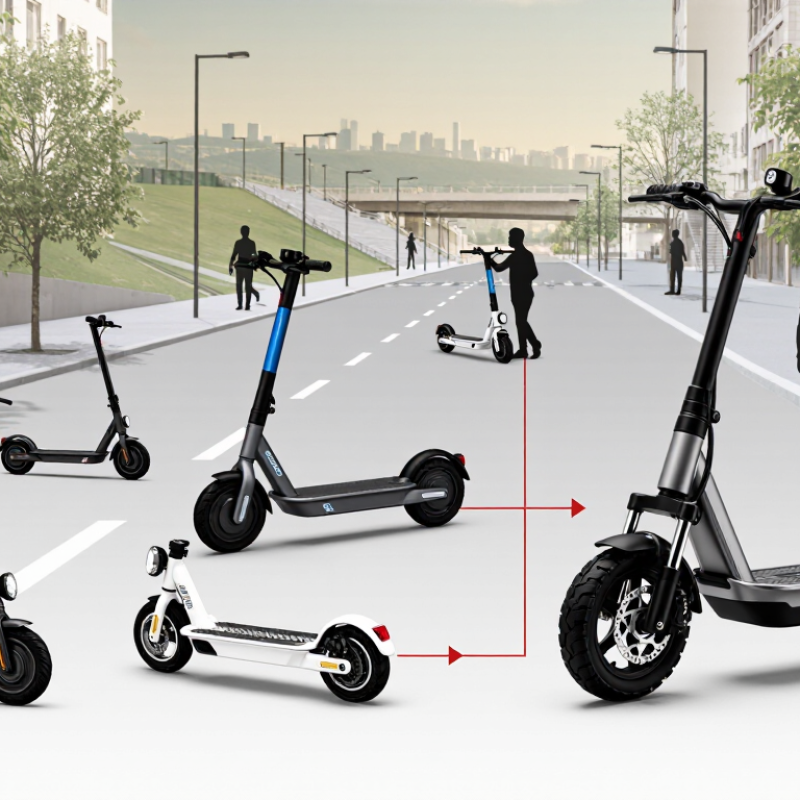
| Folding Commuter Scooter | Standing platform, upright handlebar, and a folding stem; usually designed for one rider. | Short urban trips, commuting, and combining a ride with public transit. | Best on paved streets, bike paths, and other relatively smooth surfaces. | Often easier to carry and store than larger scooter types, though weight varies by battery and frame. | Small wheels and compact frames can feel less comfortable on rough pavement; check the rated load and braking system. |
| Seated Electric Scooter | Platform scooter fitted with a seat, typically with a step-through frame and upright riding position. | Riders who prefer to sit, including those making relaxed local trips or who find standing uncomfortable. | Generally intended for paved roads and paths; suitability for hills depends on motor output and rider load. | Usually less convenient to carry or store than a folding standing scooter. | The seat adds comfort for some riders but increases size and may make the vehicle harder to transport. |
| Moped-Style Electric Scooter | Step-through body, seat, larger wheels, and a more substantial frame; some models include footrests or storage. | Longer local journeys and riders who want a more motorcycle-like seated position. | Designed mainly for paved roads; check local rules before using it on public roads or bike paths. | Typically heavy and not intended to be carried frequently. | Offers a stable, seated layout but requires more parking and storage space; registration, licensing, or helmet rules may apply depending on location and vehicle classification. |
| Off-Road Electric Scooter | Usually has wider tires, stronger suspension, a higher-clearance frame, and more substantial brakes than a basic commuter scooter. | Riding on permitted dirt tracks, gravel paths, and uneven private or designated trails. | More capable on rough surfaces, but not every model is suitable for mud, deep sand, or steep terrain. | Generally bulky and heavier than commuter models. | Improved traction and suspension often come with greater weight, higher energy use, and reduced ease of carrying. |
| Cargo or Utility Scooter | Reinforced frame with a cargo rack, basket, or other load-carrying fittings; some designs have a longer platform. | Carrying groceries, work equipment, or other everyday loads within the vehicle’s rated capacity. | Best on firm, relatively smooth routes; added cargo can affect handling and braking. | Often larger and less portable than a standard commuter scooter. | Useful for carrying items, but the maximum load includes the rider and cargo; follow the manufacturer’s limits. |
| Three-Wheeled Electric Scooter | Three-wheel layout, commonly with two wheels at the front or rear, and a wider standing or seated platform. | Riders who value a wider base and a different balance feel for low-speed, everyday trips. | Most suitable for smooth, predictable surfaces; turning behavior differs from two-wheeled scooters. | Usually wider and more difficult to fold or carry. | The extra wheel can provide a broader base, but it does not remove the need for careful steering, braking, and balance. |