How to Choose the Best Concrete Batch Plants for Your Needs?
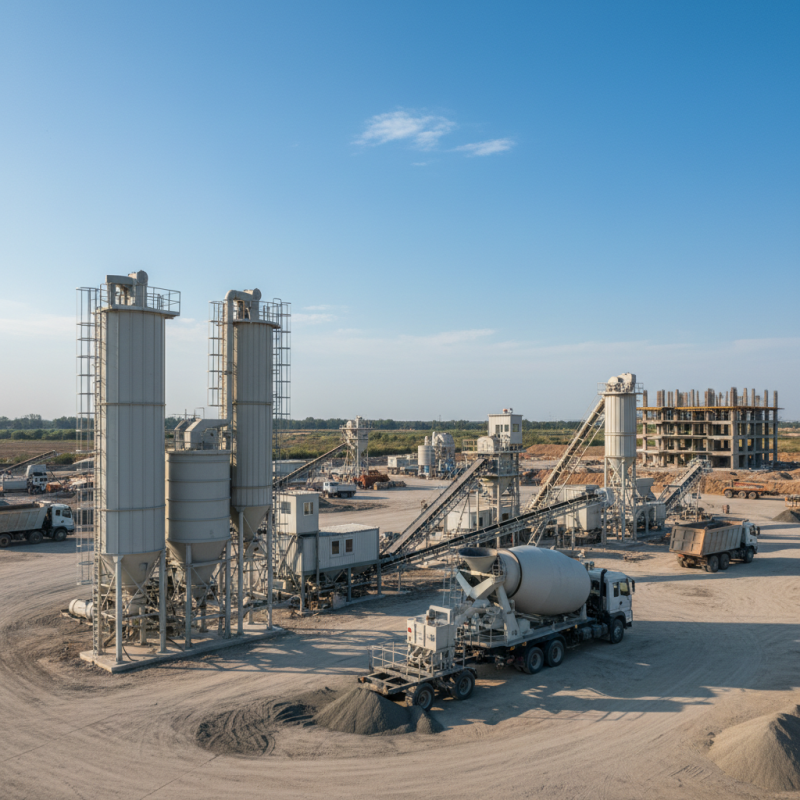
Choosing the right Concrete Batch Plants is crucial for any construction project. The efficiency and quality of concrete production can significantly impact project timelines and budgets. Many factors come into play when selecting the ideal concrete batch plant.
Consider your specific needs, such as production capacity and automation levels. Not all plants are built the same, and a misfit can lead to inefficiencies. You may face production delays if a plant cannot meet your demand. On the other hand, investing in a larger plant than necessary can strain your budget.
Knowledge is key. Many buyers overlook maintenance needs and service support when making decisions. An experienced provider can offer insights that help avoid costly mistakes. Reflect on your current and future project requirements to ensure a wise choice. The right Concrete Batch Plants should offer reliability and adapt to your evolving needs.
Factors to Consider When Choosing a Concrete Batch Plant
When choosing a concrete batch plant, several critical factors come into play. One important aspect is the production capacity. According to industry reports, a plant's capacity influences both cost-efficiency and project timelines. A plant capable of producing 120+ cubic yards per hour is ideal for larger projects. However, smaller operations may only need a plant that produces 30-60 cubic yards per hour. Understanding your project’s requirements will help in making an informed decision.
Quality of materials is another factor to consider. The durability of concrete depends significantly on the materials used in batching. Research indicates that using high-grade aggregates, cement, and additives improves long-term performance. Regularly testing materials can prevent potential quality issues. Be mindful of local sourcing; this can reduce costs and ensure fresher materials.
**Tips:** Evaluate your project scope carefully before making a purchase decision. Look into service and maintenance options, as these can greatly impact downtime. Check for any available warranties. Revisit your choice regularly, especially as project demands evolve. The wrong plant choice can lead to inefficiencies and cost overruns, so take the time to reflect on your initial assumptions.
Comparison of Key Factors in Choosing Concrete Batch Plants
Types of Concrete Batch Plants and Their Applications
When selecting the right concrete batch plant, understanding the types is crucial. There are three main categories: ready-mix, central-mix, and portable plants. Each serves different purposes. Ready-mix plants provide concrete directly to job sites, ensuring a quicker delivery. Central-mix plants, however, prepare concrete in a fixed location before transporting it. This method often results in a higher quality product but requires more logistical planning. Portable plants are ideal for remote areas. They can be moved easily, which is beneficial for small projects.
Tips: Focus on your project scale. If you have a large project, a central-mix plant is likely more efficient. For smaller or ongoing jobs, a portable option might suffice. Assess your location to determine which type meets local regulations. Different plants have different operational specs. Understanding these can save time and money.
Consider the environmental impact too. Some plants use recycled materials, promoting sustainability. However, not all plants are equipped for this. Research each option thoroughly. Look at previous projects and gather reviews. Reflect on what worked before and what didn’t. This will help in making a balanced choice. Every project is unique, and flexibility in your decision-making is key to success in the long run.
Assessing Production Capacity and Efficiency Requirements
When selecting a concrete batch plant, production capacity and efficiency should be top priorities. Industry reports indicate that plants with a capacity of 60 to 120 cubic yards per hour are in high demand. This range often meets the needs of mid-sized construction projects. Adjusting capacity can directly influence project timelines and costs. Plants that run efficiently can significantly reduce downtime, thus maximizing productivity.
Understanding the efficiency of a batch plant is essential. According to a study by the National Ready Mixed Concrete Association (NRMCA), efficiency improvements of just 10% can lead to substantial savings. Factors such as material handling, mixing time, and operational training play critical roles in efficiency. For instance, older models may require excessive maintenance, affecting operational flow and costs.
Additionally, consider scalability. A report from the Concrete Plant Manufacturers Bureau highlights that plants designed for easy upgrades can support growth as project demands change. Owners must weigh the cost of initial investments against long-term operational efficiency. Choosing the right plant is about balancing immediate production needs with future growth potential. Inconsistent output can lead to rushed schedules, which create risk for delays. Hence, a thoughtful approach is necessary.
Evaluating Features and Technology of Concrete Batch Plants
When choosing a concrete batch plant, evaluating its features and technology is crucial. Reliable plants incorporate advanced automation systems. This technology helps ensure accurate mixing ratios, which is essential for high-quality concrete. Look for plants that offer a user-friendly interface. Such features make operation more efficient. Operators need to be able to respond swiftly to changes in production demands.
Pay attention to the aggregate handling system. A robust system enhances the efficiency of the batching process. Opt for equipment that allows for flexible configuration and scaling. Flexibility is key when operations expand. Also, consider the plant's environmental impact. Features like dust control and water recycling systems show a commitment to sustainability. However, these systems can complicate maintenance and increase costs.
Investing in a concrete batch plant involves weighing the benefits against potential drawbacks. Advanced technology can improve performance but may require ongoing training for staff. Consider the overall reliability of the system. Will it perform consistently under various conditions? Choosing the right plant means understanding both your operational needs and the technology's capabilities.
Budgeting for Purchase and Maintenance of Batch Plants
When budgeting for the purchase and maintenance of concrete batch plants, understanding the total cost is crucial. A concrete batch plant can range from $100,000 to $500,000, depending on capacity and technology. Maintenance costs typically add around 3-5% of the plant’s initial cost annually. These figures come from industry reports by organizations like the National Ready Mixed Concrete Association.
Operational costs also impact your budget. Factors include labor, materials, and energy consumption. The cost of electricity can significantly influence your expenses. For example, a plant might consume 50,000 kWh monthly, costing around $5,000. Regular maintenance, such as calibration and repair, should also be factored in. Inadequate maintenance can lead to increased downtime and costly repairs.
Many businesses underestimate the hidden costs associated with concrete batch plants. Training operators and keeping up with regulatory compliance can add to your budget. Investing in a well-maintained plant not only enhances productivity but also improves safety. A well-planned budget anticipates these challenges, allowing for adjustments as needs evolve. Costs can fluctuate, so continuously evaluate your financial plan.
How to Choose the Best Concrete Batch Plants for Your Needs? - Budgeting for Purchase and Maintenance of Batch Plants
| Batch Plant Type | Purchase Cost ($) | Maintenance Cost (Annual) ($) | Production Capacity (m³/h) | Ideal Use Case |
| Mobile Batch Plant | 100,000 | 10,000 | 30 | Small to medium projects |
| Stationary Batch Plant | 250,000 | 20,000 | 60 | Large scale construction sites |
| Ready-Mix Batch Plant | 180,000 | 15,000 | 50 | Urban construction and infrastructure projects |
| Continuous Mix Plant | 320,000 | 25,000 | 100 | High-volume production needs |