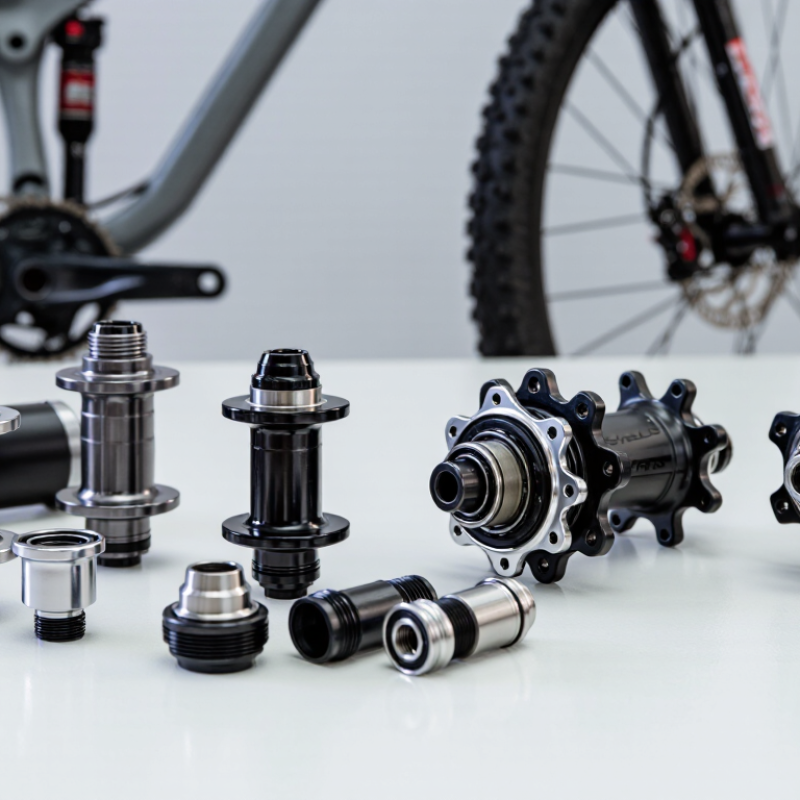
| Hub axle end cap | Front or rear hub fitted to a fork or frame | Must match the hub model and the intended axle system, such as a 12 mm or 15 mm thru-axle, or a quick-release setup. Axle length and hub spacing also matter. | Should seat fully in the hub; use the hub maker’s specified fit and installation method. Do not assume caps from different hubs are interchangeable. | Helps cover the hub’s bearing or axle interface and supports correct wheel-to-frame fit. | Confirm hub model, front or rear position, axle diameter, spacing, and any conversion compatibility before ordering. |
| Handlebar end plug | Open ends of flat, drop, or other handlebars | Must fit the handlebar’s internal opening. Bar-end designs vary, so check the handlebar’s inner diameter and the plug’s stated compatible range. | Friction-fit plugs should remain secure during normal riding. Expandable plugs should be tightened only as directed and should not deform the bar. | Covers sharp handlebar edges and helps prevent dirt and moisture from entering the bar end. | Check handlebar material and opening size. Bar-end plugs are not a substitute for a correctly fitted grip or handlebar tape. |
| Cable housing end cap (ferrule) | Cut ends of compatible brake or shift cable housing | Match the ferrule to the housing’s outside diameter and construction. Common housing sizes include approximately 4 mm for many shift systems and 5 mm for many brake systems, but verify the component specification. | The ferrule should fit snugly without crushing the housing or slipping off. Some systems require a specific ferrule or no ferrule at particular stops. | Helps keep housing layers aligned and reduces fraying or damage at the cut end. | Use a clean, square housing cut and check compatibility with the lever, frame stop, and brake or shift system. |
| Frame or port plug | Unused cable-routing or accessory openings in a frame | Match the opening’s shape and dimensions; frame ports may be round, shaped, or specific to a routing system. | A plug should sit flush and remain in place without forcing or stretching the opening. | Limits entry of water, grit, and debris through unused frame openings. | Measure the opening and check whether the frame requires a dedicated plug or a plug with a cable passage. |
| Fork or frame axle-end protector | Protecting open axle interfaces during storage or transport | Must match the axle opening and avoid contacting or damaging the dropout, threads, or brake components. | Should stay in place during handling but come out without tools or excessive force. | Helps keep debris out and protects exposed interfaces when a wheel is removed. | Choose a protector for the specific axle interface; remove it before installing the wheel or axle. |
| Fit reminder: “End cap” can refer to several different bicycle parts. Identify its location and function first, then verify dimensions and compatibility with the relevant hub, handlebar, housing, frame, or axle documentation. A snug fit should not require force that could damage the component. |