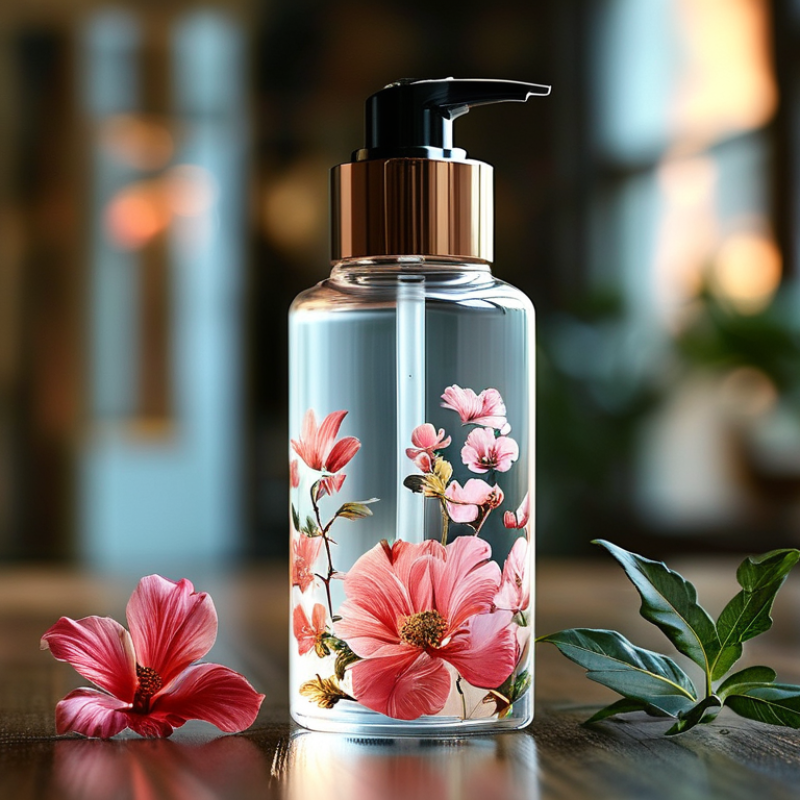
The right cosmetic package begins with the formula, not its appearance. Oils, acids, alcohol, and water can react differently with plastics, glass, pumps, or liners. Check for swelling, cracking, discoloration, leakage, and changes in scent. Airless systems may reduce exposure, but they are not automatically suitable for every texture. A thick cream may stop moving through a narrow actuator. A watery serum may leak through a weak closure. Formula compatibility testing should include heat, cold, light, vibration, and repeated opening. Record every result. Small details often become expensive failures.
Your target market also shapes the packaging decision. ISO 22715 provides useful guidance for cosmetic packaging and labelling, but it does not replace local regulatory requirements. Confirm that the container supports required product information, batch identification, net contents, and safe consumer use. Shelf-life claims need evidence from stability studies, not attractive packaging language. Select materials that protect against oxygen, moisture, and light for the expected period. A refillable design may reduce waste, yet its cleaning process can introduce contamination risks. This trade-off deserves honest review.
Tips
Match the closure to the formula’s viscosity. Test samples from actual production materials. Inspect packages after transport simulation. Keep compatibility records with dates and conditions. Ask whether the design still works after twelve months. It may not. Recheck assumptions before approving the final specification.