| Mobile harbor crane | Flexible cargo handling across multiple berths, including containers, bulk, and general cargo. | Configuration-dependent; many models offer maximum lifting capacities of roughly 100–250 tonnes. | About $8–20 million per crane. | Approximately 20–30 years, depending on duty, corrosion protection, and maintenance. | Fuel or electricity, tires or rail gear, hydraulic systems, wear parts, and major overhauls. | Local technician coverage, spare-parts availability, diagnostic support, and response times for breakdowns. |
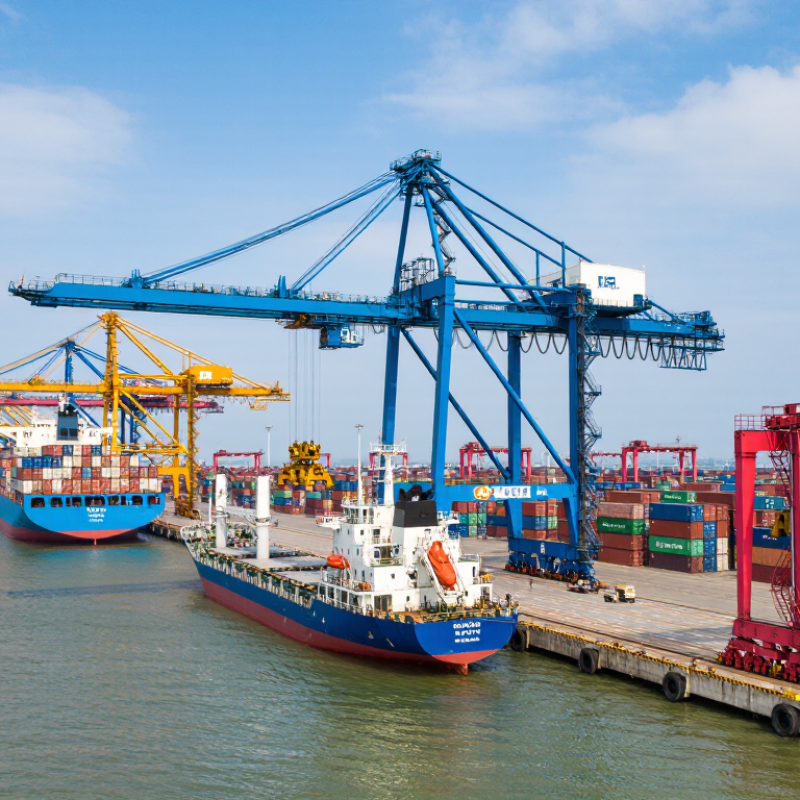
| Ship-to-shore container crane | High-volume container transfers between ships and the quay. | Outreach, lift height, and capacity are vessel-specific; larger units serve wide-beam vessels and higher container tiers. | About $10–25 million per crane; berth works and electrical infrastructure may be additional. | Approximately 25–30 years with planned inspection, structural maintenance, and component renewal. | Electricity, trolley and hoist components, ropes, spreaders, structural inspections, and control-system upgrades. | Commissioning and operator training, software and controls support, lifecycle parts plan, and outage-response commitments. |
| Bulk ship unloader | Discharging dry bulk cargo such as grain, minerals, or other commodities from ships. | Designed around cargo properties and required throughput; grab, continuous, and pneumatic systems suit different materials. | About $15–40 million per installation, with scope and conveying systems affecting the total. | Approximately 25–30 years; high-duty wear components may need earlier replacement. | Power, grabs or conveying equipment, liners and seals, dust control, corrosion, and cargo-specific wear. | Support for the full unloading and conveying system, wear-part supply, dust-control expertise, and planned shutdown service. |
| Floating crane | Ship-to-ship or ship-to-shore lifting where fixed quay equipment is unavailable, impractical, or insufficient. | Capacity and outreach vary substantially by vessel, crane arrangement, and operating conditions. | Highly configuration-dependent; obtain project-specific quotations and include vessel or barge costs where applicable. | Crane and supporting vessel life depend on marine classification, inspection, utilization, and refurbishment history. | Marine fuel or power, vessel maintenance, class surveys, mooring, corrosion control, and specialized crew costs. | Marine engineering capability, class-compliance support, spare parts, mobilization logistics, and emergency service arrangements. |