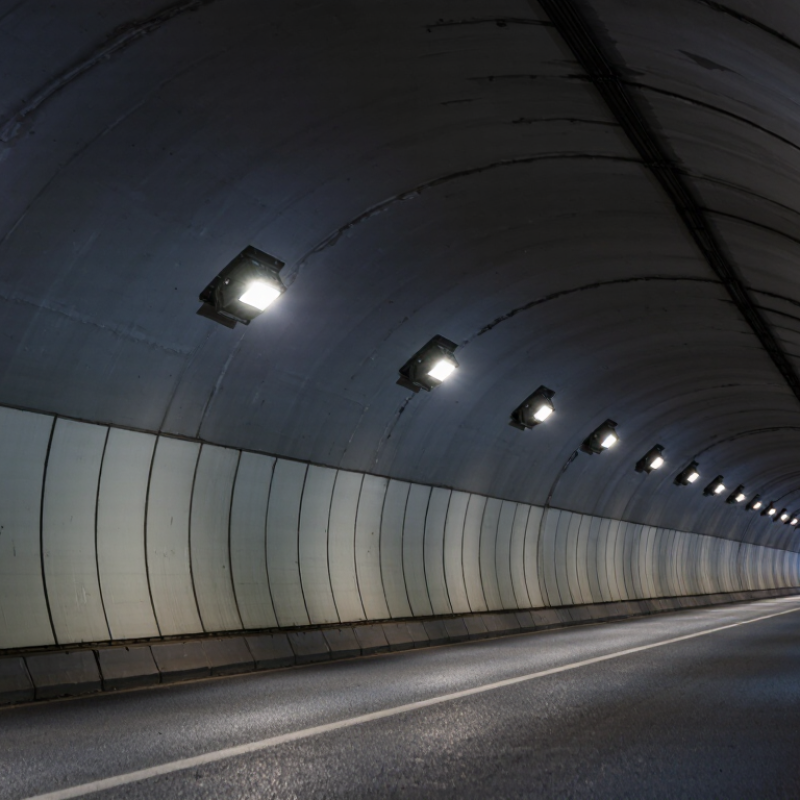
Choosing the best LED tunnel light starts with safety, not brightness alone. In field inspections, uneven lighting often creates dark patches near walls and road curves. These areas can hide obstacles and increase driver stress. Check the light’s photometric distribution, glare control, color rendering, and flicker performance. A reliable design should support clear visibility during entry, transition, interior, and exit zones. Emergency operation also matters when normal power fails. Test the actual installation, not only the laboratory data.
Energy efficiency depends on more than wattage. Compare useful lumens per watt, dimming response, heat management, and operating schedules. Tunnel lighting can waste energy when controls remain at full output during low-traffic periods. Sensors and adaptive dimming may reduce consumption, but only when they react smoothly. Sudden changes can disturb drivers. Verify control settings during daytime, nighttime, rain, and maintenance conditions.
Total cost includes purchase, installation, cleaning, replacements, electricity, and downtime. A cheaper fixture may become expensive if its seals degrade or its driver fails early. Review ingress protection, impact resistance, warranty terms, spare-part access, and documented testing. I once focused too heavily on energy savings and underestimated cleaning labor. That was a useful mistake. A simple cost model should use local electricity prices and realistic maintenance intervals, rather than optimistic estimates. Safety still deserves the highest weight.