How to Choose a Heat Resistant Rubber Hose
A Heat Resistant Rubber Hose must do more than tolerate a high temperature on a specification sheet. It must suit the actual fluid, pressure, movement, and exposure around the equipment. A hose beside a hot engine may face oil mist, vibration, and repeated temperature cycles. A line carrying hot water has different demands. Small details matter.
As rubber technologist Dr. James R. White’s work reminds designers, material performance depends on the conditions of use. The practical takeaway is simple: “Choose for the whole service environment, not temperature alone.” This sentence is an editorial summary, not a verified quotation. Use it as a selection principle, not as a substitute for product data.
Start with the operating temperature, including brief peaks, then check the manufacturer’s pressure and media compatibility ratings. Look for construction details such as reinforcement, inner-tube material, bend radius, and cover resistance. A hose that fits the temperature may still fail early if it kinks against a frame or rubs on a sharp bracket. Measure the route. Inspect the contact points. Ask the supplier for documented ratings and test information for the exact hose model. If the application details are incomplete, pause before specifying. That hesitation is useful. The right Heat Resistant Rubber Hose is chosen from evidence about the full job, not from a temperature label alone.
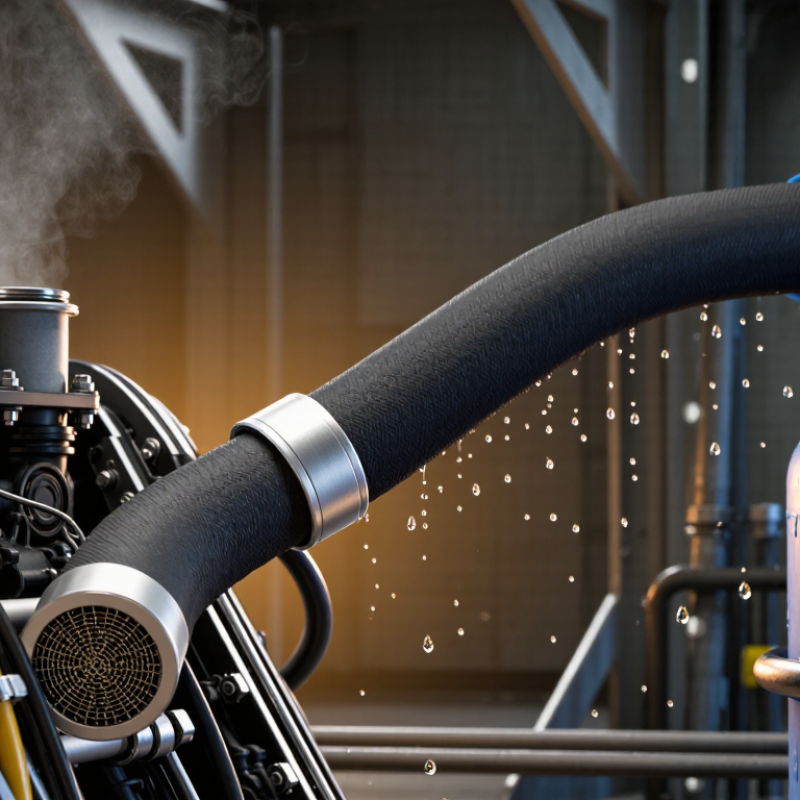
Define the Hose’s Operating Temperature and Environment
How to Choose a Heat Resistant Rubber Hose
Define the Hose’s Operating Temperature and Environment
Start with the actual temperature range, not just the hottest number on a machine label. Record the fluid temperature during normal operation, startup, cleaning, and brief process spikes. A hose near a hot pipe may also absorb radiant heat, even when the fluid stays cooler. Measure where the hose will sit. Small details matter.
Check the hose’s specified continuous temperature and its permitted short-term peak. Do not treat them as interchangeable. Heat can reduce pressure capacity and speed up aging, so verify ratings for the complete hose assembly at your working pressure.
Consider what surrounds it: steam, oil mist, cleaning chemicals, sunlight, and rubbing against a metal frame can all affect service life. A hose suitable for hot air may not suit hot oil or steam. Match the lining and cover to the fluid and surroundings, using the manufacturer’s compatibility data. Leave room for movement and keep the hose away from sharp edges. I have seen temperature readings taken only at the control panel; that can miss a much hotter spot beside an exhaust line. It is an easy assumption to make, and worth questioning.
Select a Rubber Compound Suited to the Heat Exposure
Heat-resistant hose selection starts with the rubber compound, not a headline temperature printed on a product sheet. Map the actual exposure: fluid temperature, nearby radiant heat, operating hours, pressure, and brief temperature spikes. A line carrying hot water faces different chemical demands from one carrying oil or dry air. That distinction matters. EPDM often suits hot water and steam. Silicone handles wide temperature swings, but may resist oil or abrasion poorly. FKM can tolerate many oils and elevated temperatures, yet it is not universal; check the specific fluid and service conditions.
Compare the compound’s continuous rating with the highest expected hose-wall temperature, not just the surrounding air. For example, a hose routed beside an oven can run hotter on one side than the room reading suggests. Repeated heating and cooling can harden rubber over time. Watch for cracking near fittings, swelling, soft spots, or a persistent change in flexibility. These clues help, but they do not replace inspection intervals or test data. Confirm compatibility using a current technical sheet, and include pressure, bend radius, and cleaning chemicals in the review. Leave room for uncertainty. A hose that works in a short trial may age differently during months of heat cycling. Temperature labels can invite false confidence; the exact compound and hose construction still matter.
Match Hose Construction to Pressure and Media
Choosing a heat-resistant rubber hose starts with the fluid, not the temperature label. The inner tube must tolerate the actual media, including additives, cleaning agents, and occasional contamination. Oil, hot water, and steam can require different tube compounds. A compatible-looking outer cover does not guarantee a compatible inner layer. Small details matter.
Next, match reinforcement to working pressure and pressure spikes. Textile braid may suit some moderate-pressure applications, while wire reinforcement is used in higher-pressure designs. Check the hose’s rated pressure at operating temperature, since heat can reduce its capacity. A pump’s startup surge can exceed its steady reading. That is easy to overlook.
Also check the full assembly, not just the hose. Fittings, clamps, and bend radius affect how safely it handles heat and pressure. Confirm the manufacturer’s temperature and media guidance for the exact hose construction. Leave room for movement near hot equipment, and avoid tight bends beside fittings. A hose can meet the listed temperature limit yet still fail early if its media, pressure, or installation conditions do not match.
Check Compatibility, Safety Standards, and Service Life
How to Choose a Heat Resistant Rubber Hose
Check Compatibility, Safety Standards, and Service Life
A hose’s temperature rating is only useful when it matches the actual fluid and operating conditions. Hot oil, steam, and coolant can affect rubber differently. Check the hose maker’s compatibility chart for the exact fluid, concentration, and temperature. Also verify working pressure, pressure spikes, bend radius, and connection type. A hose that fits the temperature but not the fluid can soften, swell, or crack.
Safety standards help make performance testable. ISO 1402 specifies hydrostatic testing for rubber and plastics hoses, including pressure testing. For service life, ASTM D573 evaluates rubber deterioration in heated air; a commonly used exposure is 70°C for 168 hours. That is a laboratory aging interval, not a promise of years in service. Real life also depends on heat cycles, vibration, abrasion, and installation. One uncomfortable truth: a clean outer cover can hide a hardened inner tube.
Tips: Record the hose’s fluid, temperature, pressure, and installation date. Inspect for blisters, exposed reinforcement, leaks, and stiff spots. Replace it if damage appears, even when the rated service life has not been reached. Keep bends broad and away from hot surfaces. Small details count.
How to Choose a Heat-Resistant Rubber Hose
Compare the typical continuous-use temperature ranges of common elastomer materials. These ranges are indicative, not guaranteed ratings for a finished hose.
Choose a hose only after checking fluid compatibility, operating pressure, temperature peaks, and the applicable safety standard for your application. The hose assembly’s published rating takes precedence over general material ranges; heat and pressure can reduce service life.
Compare Installation Needs and Maintenance Requirements
Choosing a heat-resistant rubber hose starts with the installation route, not just the maximum temperature listed in a specification sheet. Measure the full path, including bends, movement, and clearance from hot surfaces. Compare the hose’s continuous and intermittent temperature limits with actual operating conditions; brief heat spikes still matter. Check fitting size, pressure rating, and fluid compatibility before ordering. Allow enough slack for vibration, but avoid sharp bends, twisting, or contact with metal edges. Small details matter. A trial fit can reveal clearance problems that a drawing misses.
Maintenance needs should influence placement. Route the hose where an inspector can see its surface and reach its connections without dismantling nearby equipment. During scheduled checks, look for cracks, hardening, swelling, abrasion, blisters, or seepage near clamps. Notice changes. Heat can age rubber unevenly, especially beside a hot exhaust or under a tight sleeve. Keep inspection notes with dates, temperatures, and signs of leakage; patterns may appear before damage is obvious. Follow the hose manufacturer’s service guidance, and isolate and depressurize equipment before close inspection or replacement. A clean exterior does not prove the inner lining is sound, so deciding when to replace a hose can still require judgment.











