| Pole-mounted, single-phase | About 5–167 kVA | Commonly 2.4–34.5 kV, depending on the distribution system | Often 120/240 V; other secondary voltages are available | Single-phase, overhead installation; usually liquid-immersed | Individual homes, small rural loads, and overhead distribution branches | Check calculated demand, load growth, primary grounding, mounting limits, lightning protection, and local utility requirements. |
| Pole-mounted, three-phase | About 15–500 kVA | Commonly 4.16–34.5 kV | Commonly 208Y/120 V, 480Y/277 V, or other specified three-phase voltages | Three-phase bank or integrated unit; overhead installation | Small commercial, agricultural, and light industrial overhead loads | Confirm phase and connection, unbalanced-load tolerance, available pole structure capacity, and required fault-current withstand. |
| Pad-mounted distribution | About 75 kVA–5 MVA | Commonly up to 34.5 kV | Often 208Y/120 V or 480Y/277 V; project-specific options are available | Usually three-phase, liquid-immersed, tamper-resistant enclosure for ground-level installation | Underground residential subdivisions, commercial sites, and campuses | Verify enclosure access and clearances, loop-feed or radial design, compartment layout, site drainage, and applicable environmental requirements. |
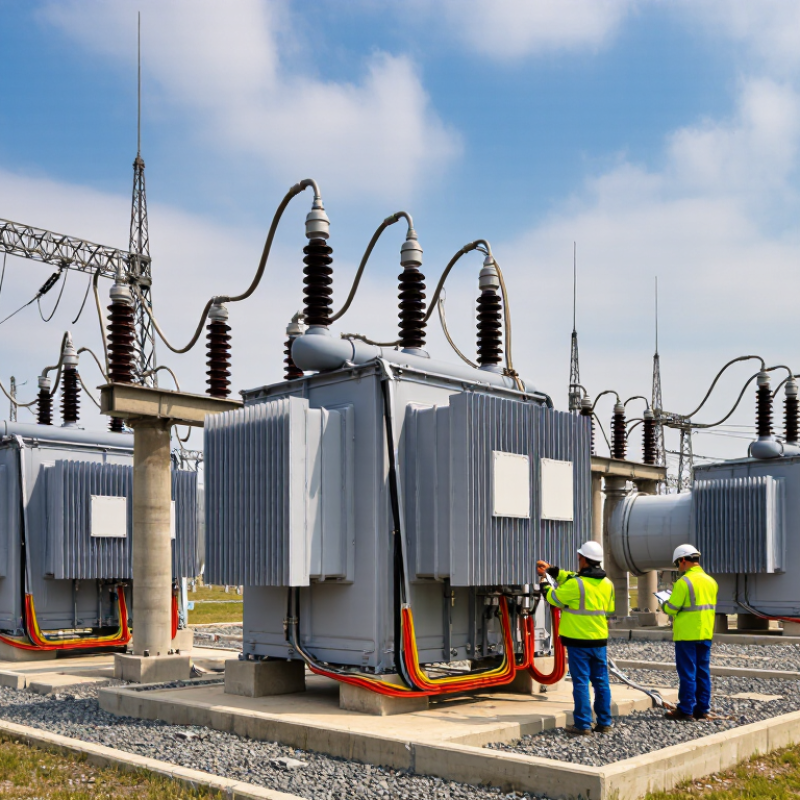
| Substation distribution transformer | About 2.5–100 MVA | Commonly 34.5–138 kV | Often 4.16–34.5 kV, according to the downstream network | Three-phase, usually liquid-immersed; may include on-load tap changing | Utility substations and large industrial or institutional distribution systems | Assess load profile, parallel operation, impedance, tap range, protection coordination, cooling, transport limits, and site-specific sound limits. |
| Network transformer | Often about 300–2,500 kVA | Commonly 4.16–34.5 kV | Commonly 208Y/120 V or 480Y/277 V | Three-phase, typically vault-type, designed for interconnected secondary networks | Dense urban areas and facilities requiring high service continuity | Check network protector compatibility, reverse-power conditions, vault ventilation and flooding risk, and the utility’s network design rules. |