| Main Manufacturing Clusters | Important production activity is concentrated in developed manufacturing areas such as Guangdong, Zhejiang, Jiangsu, and Shanghai. | Factory location, access to component suppliers, engineering resources, export experience, and after-sales coverage. | Choose a supplier with a stable local supply chain and convenient access for audits or inspections. | Factory address, business license, production-site photographs, and audit records. |
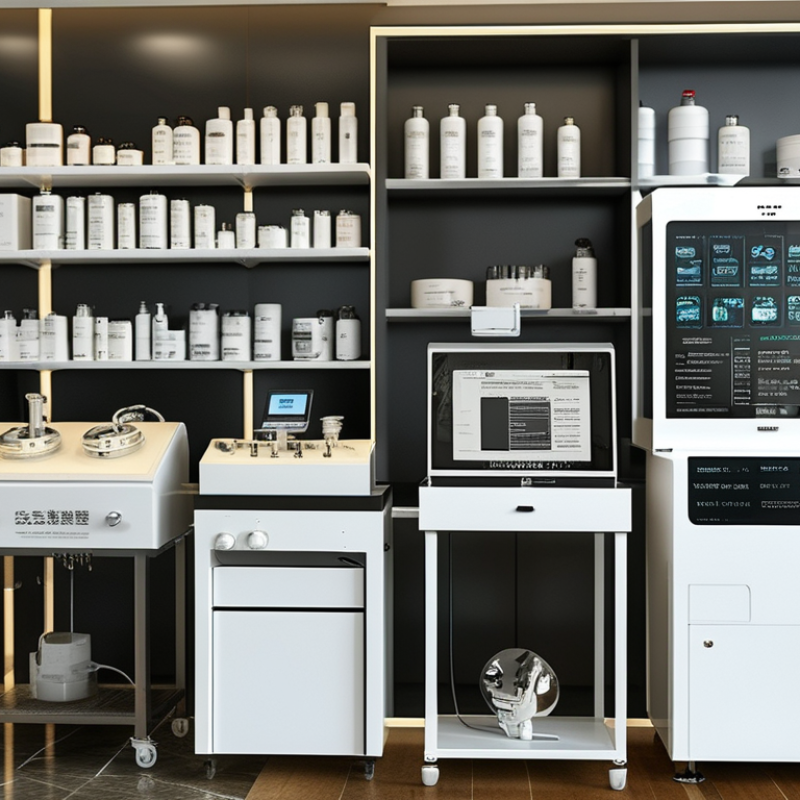
| Common Machine Categories | Hydra dermabrasion RF systems Ultrasonic devices LED systems Oxygen infusion Cryotherapy | Whether the machine’s technology matches the intended treatment, target market, and operator training level. | Prioritize a focused product range rather than a catalogue containing unsupported or duplicated technologies. | Technical specification sheet, user manual, treatment protocol, and product demonstration. |
| Applicable Standards | Electrical skin-care equipment may involve requirements related to IEC 60601-1, while quality management is commonly assessed against ISO 9001. Medical-device applications may require additional regulatory controls. | Applicable standards depend on product classification, intended use, target country, and whether therapeutic claims are made. | Do not treat a generic certificate as proof of compliance for every model or every market. | Valid certificates, test reports, product scope, certificate number, issuing body, and expiry date. |
| Product Classification | Beauty and wellness equipment, professional aesthetic equipment, and medical devices can have different regulatory obligations. | Intended use, treatment claims, energy output, contact with skin, and local market classification. | Confirm classification before finalizing design, labeling, advertising, and import documentation. | Declaration of conformity, risk assessment, labeling files, and market-specific regulatory documents. |
| Core Technical Parameters | Important parameters may include frequency, energy level, wavelength, temperature range, vacuum pressure, pulse duration, and treatment area. | Whether the displayed parameters are measurable, adjustable, repeatable, and suitable for the intended application. | Compare technical values only when the testing method and measurement conditions are consistent. | Calibration records, laboratory test results, engineering drawings, and sample performance data. |
| Safety Design | Relevant features can include over-temperature protection, electrical insulation, emergency stop functions, automatic fault alerts, and protective eyewear for light-based equipment. | Protection against burns, electrical hazards, excessive energy delivery, fluid leakage, and incorrect operation. | Safety functions should operate automatically and should not depend solely on operator judgment. | Risk-management file, safety test report, alarm test records, and user safety instructions. |
| Quality-Control Process | A mature production process normally includes incoming-material inspection, assembly checks, functional testing, aging tests, and final inspection. | Traceability of key components, inspection frequency, testing equipment, and handling of nonconforming products. | Prefer suppliers with documented procedures and serial-number-based records. | Quality manual, inspection checklist, sample inspection report, and corrective-action records. |
| Customization Capability | Common customization areas include housing design, user interface language, logo placement, handpiece configuration, software settings, and packaging. | Whether customization changes the technical file, safety performance, regulatory status, or service requirements. | Define the approved specification before production and control all engineering changes in writing. | Approved artwork, product specification, change-control form, and pre-production sample. |
| Minimum Order and Sampling | Order quantities vary by product complexity, customization level, tooling requirements, and packaging configuration. | Sample availability, sample price, sample lead time, and whether the sample represents mass production. | Use a paid production sample for technical validation before placing a larger order. | Quotation, sample invoice, golden-sample agreement, and inspection criteria. |
| Lead-Time Planning | Production schedules are influenced by component availability, software configuration, tooling, testing, and packaging approval. | Separate timelines for sampling, tooling, production, inspection, and shipment. | Request a milestone-based schedule with clear approval points and delay responsibility. | Project schedule, purchase contract, production update, and shipment plan. |
| After-Sales Service | Professional equipment commonly requires installation guidance, operator training, troubleshooting, spare parts, and warranty support. | Response time, remote support channels, warranty exclusions, spare-parts availability, and software support. | Choose a supplier that provides structured technical documentation rather than informal messaging only. | Warranty policy, service-level agreement, spare-parts list, training material, and repair procedure. |
| Export and Packaging Readiness | International shipments may require suitable electrical specifications, plug types, multilingual labels, transport protection, and customs documents. | Destination-country voltage, frequency, plug standard, labeling rules, and import documentation. | Confirm packaging and electrical configuration before production, especially for mixed-market orders. | Packing list, commercial invoice, product label, electrical diagram, and shipping test record. |
| Total Cost of Ownership | Total cost includes equipment price, accessories, consumables, freight, customs, training, maintenance, calibration, and replacement parts. | Recurring costs and the expected service life of handpieces, lamps, filters, pumps, cables, and other wear components. | Compare five-year operating cost instead of comparing purchase price alone. | Full quotation, consumables price list, maintenance schedule, and spare-parts quotation. |
| Supplier Due Diligence | Reliable assessment combines document review, factory verification, sample testing, reference checks, and contract control. | Consistency between the legal entity, factory, certificates, bank account, product model, and shipping documents. | Use at least two independent verification methods before making a large payment. | Business registration, factory audit, certificate verification, sample test report, and signed contract. |