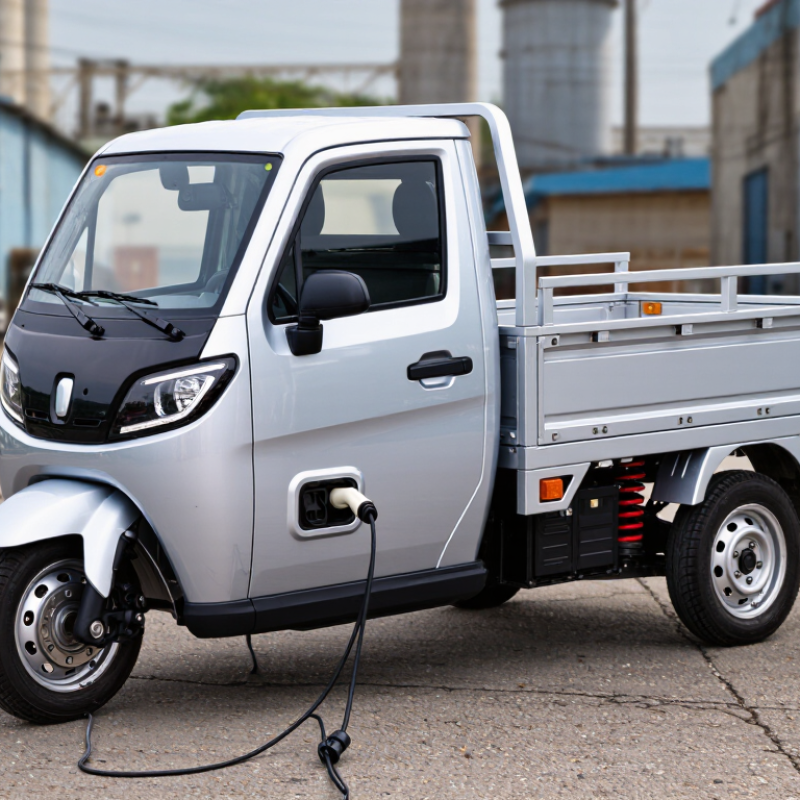
What Is an Electric Three Wheeler Cargo Vehicle?
An electric three wheeler cargo vehicle is a compact battery-powered carrier with two wheels at one end and one at the other. It usually serves short urban routes, where narrow lanes and frequent stops make larger trucks inefficient. A practical cargo body may hold parcels, food containers, tools, or maintenance equipment. Payload limits must be checked carefully. Overloading can reduce braking control, tire grip, and battery range.
Safety systems deserve close attention in daily fleet work.
Reliable brakes, daytime lights, mirrors, reflectors, and audible reversing alerts improve visibility around pedestrians. Seat belts, protective frames, speed controls, and stable cargo partitions add further protection. Battery management should monitor temperature, charging status, and abnormal voltage changes. Telematics can record harsh braking, route speed, and maintenance faults. Yet technology cannot correct poor driving habits. A blind spot still exists.
Regulations differ by country, state, and operating area.
Fleet managers should verify vehicle classification, maximum speed, gross weight, lighting rules, insurance, licensing, and inspection requirements before deployment. Local authorities may also restrict access to certain roads or loading zones. Commercial fleets often use these vehicles for last-mile delivery, campus logistics, warehouse transfers, and municipal services. Their quiet operation helps in dense neighborhoods, but pedestrians may not hear them approaching. Driver training should cover cornering, uneven surfaces, battery charging, and secure loading. A pilot program can reveal problems that a specification sheet misses, especially during rain, peak traffic, or repeated hill climbs.