Essential Shipping Tips for Safe Transport of Li Ion Batteries
The transport of lithium-ion (Li-ion) batteries has become a vital aspect of the global logistics industry, as their use in consumer electronics and electric vehicles continues to increase exponentially. According to a report by the International Energy Agency, global sales of electric vehicles reached over 6.6 million units in 2021, representing a 108% increase from the previous year, which has directly amplified the demand for effective and safe shipping li ion batteries. However, the inherent risks associated with these batteries necessitate stringent shipping protocols to mitigate hazards such as fires or explosions during transit.
Expert Patrick O'Leary, a noted figure in the battery logistics sector, emphasizes the importance of proper handling, stating, "Without rigorous adherence to safety regulations, the transport of lithium-ion batteries could pose catastrophic risks, not only to cargo but to personnel and the environment." This underscores the need for shippers to be vigilant and knowledgeable about the best practices and regulatory requirements shaping the safe and efficient shipping of Li-ion batteries. As the industry evolves, understanding these essential shipping tips will be crucial for ensuring safety and compliance while meeting the rising demand in various sectors.

Understanding Lithium-Ion Batteries and Their Transport Regulations
Lithium-ion batteries (Li-ion) have become a crucial component in modern electronics, yet their transport is surrounded by stringent regulations due to safety concerns. According to the International Air Transport Association (IATA), lithium batteries account for approximately 25% of all dangerous goods transported by air. Given their propensity to ignite under certain conditions, recognizing and adhering to transport regulations is paramount to ensure safety during shipping. These regulations are influenced by the potential risks associated with battery malfunctions, thermal runaway incidents, and environmental factors.
The United Nations (UN) has established a classification system for lithium batteries, emphasizing the importance of packaging and labeling during transport. UN 3480 and UN 3481 are the two principal classifications that define how these batteries should be shipped, based on whether they are shipped alone or contained within equipment. Proper packaging must adhere to the specified requirements, such as using flame-retardant materials and ensuring the terminals are protected against short circuits.
Furthermore, a comprehensive understanding of the transport mode—whether by air, sea, or road—is essential, as each mode has specific guidelines. For instance, a report by the Federal Aviation Administration (FAA) highlights that nearly 70% of lithium battery fires occur during air transport, underscoring the need for enhanced awareness and adherence to regulatory practices among shippers to mitigate risks.
Preparation for Shipping: Essential Packaging Techniques and Materials
When preparing for the shipment of lithium-ion batteries, adhering to essential packaging techniques and selecting the right materials is crucial for safety and compliance. First and foremost, batteries should be packed in sturdy, non-conductive containers that prevent any possibility of short-circuiting. It is recommended to use specially designed battery boxes for shipping, which are often constructed from durable materials that can withstand impacts during transit. Additionally, wrapping each battery in anti-static bags can provide an extra layer of protection against static discharge, which could lead to dangerous situations.
To further ensure safety, it is vital to secure the batteries within the packaging to prevent movement. Using cushioning materials such as foam inserts or bubble wrap can help stabilize the batteries and absorb shocks. Clearly labeling the package with appropriate warning signs and handling instructions is also essential. This enables personnel who handle the package to understand the contents and necessary precautions. Proper preparation and attention to these packaging details not only enhance the safety of shipping lithium-ion batteries but also promote compliance with regulatory standards.
Essential Shipping Tips for Safe Transport of Li Ion Batteries
| Packaging Material |
Recommended Use |
Regulatory Compliance |
Handling Precautions |
| UN certified boxes |
Primary packaging for air transportation |
Meets IATA shipping regulations |
Avoid extreme temperatures |
| Bubble wrap |
Padding for fragile items |
Non-regulated |
Ensure no punctures before shipping |
| Dunnage materials |
To fill voids in shipping containers |
Varies by region |
Ensure secure fit to prevent movement |
| Cellophane wrap |
For individual item protection |
Usually compliant |
Ensure no moisture damage |
| Warning labels |
Identification of hazardous materials |
Required by law |
Visible and legible |
Labeling Requirements for Safe Transport of Lithium-Ion Batteries
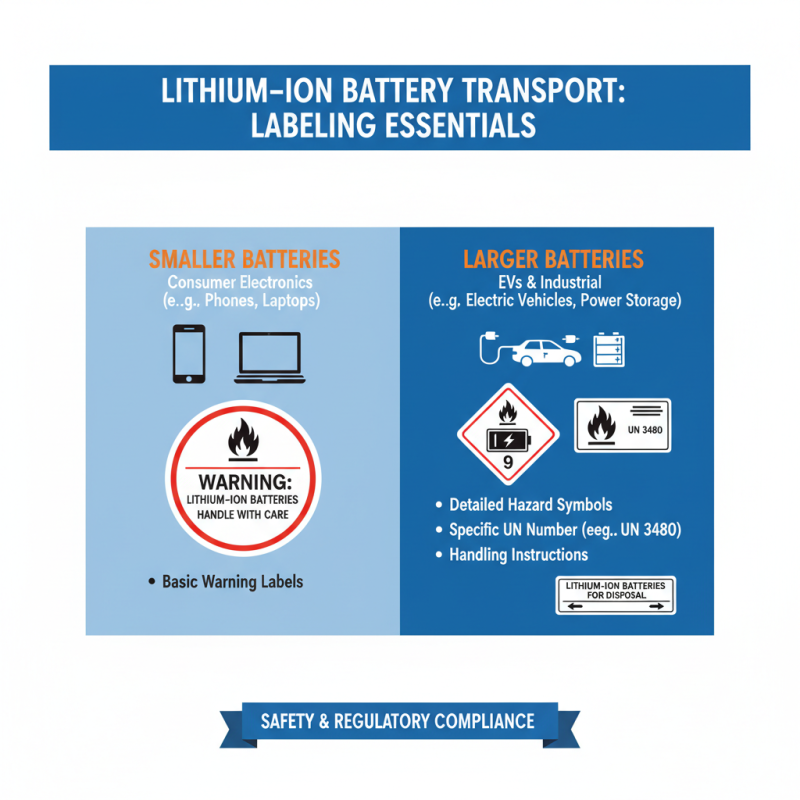
When transporting lithium-ion batteries, proper labeling is essential for ensuring safety and compliance with regulations. The labeling requirements often depend on the size and capacity of the batteries being shipped. Smaller batteries, such as those commonly used in consumer electronics, may require only basic warning labels. However, larger batteries, which are often used in electric vehicles and industrial applications, usually necessitate more detailed labeling that includes specific hazard symbols and necessary handling instructions.
The labels must clearly indicate that the package contains lithium-ion batteries, providing adequate warnings about potential hazards related to short-circuiting or fire risks. Additionally, the UN number associated with lithium-ion batteries—UN3480 for standalone batteries and UN3481 for those contained within or packed with equipment—should be prominently displayed. This ensures that handlers and emergency responders are aware of the contents and can act appropriately in case of an incident during transport. Compliance with these labeling requirements is crucial for the safe transit of lithium-ion batteries and plays a vital role in preventing accidents.
Choosing the Right Carrier for Shipping Lithium-Ion Batteries
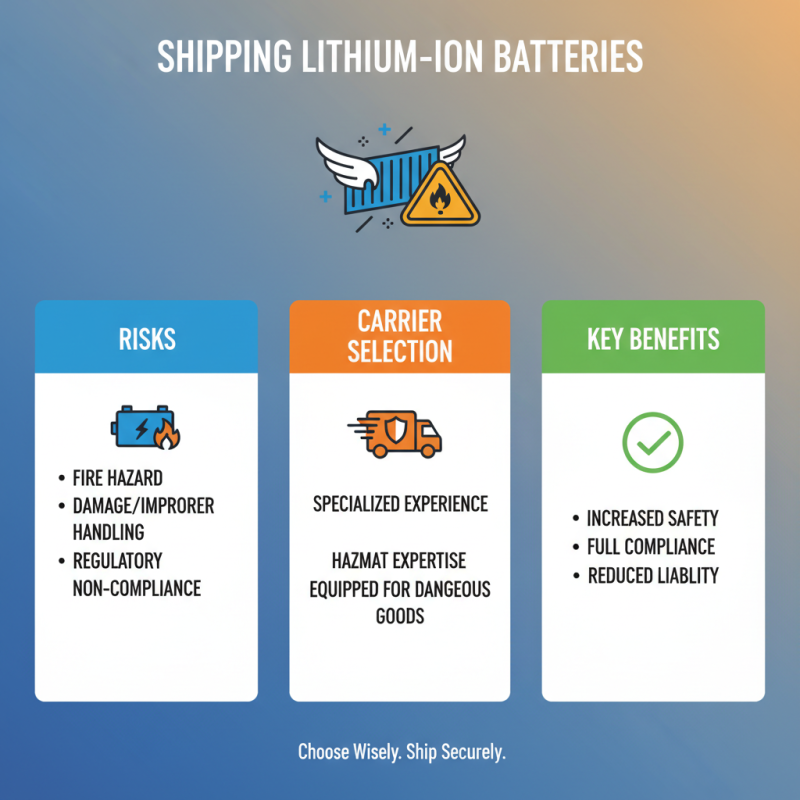
When it comes to shipping lithium-ion batteries, selecting the appropriate carrier is vital for ensuring safety and compliance with regulations. Not all carriers are equipped to handle such shipments, given the potential hazards associated with lithium-ion batteries, including fire risks if they are damaged or improperly handled. Therefore, it's essential to choose a carrier that has specific experience and expertise in transporting hazardous materials, particularly lithium batteries.
A suitable carrier will not only understand the unique safety protocols required for shipping lithium-ion batteries but will also be familiar with the various regulations governing their transport. This includes compliance with local and international shipping regulations, which often dictate packaging requirements and labeling protocols. Ensure that the carrier provides trained personnel who follow standard safety practices when handling and transporting these batteries. Additionally, look for a carrier that can offer the necessary insurance and tracking options, providing peace of mind that your shipment is safe throughout its journey.
Emergency Procedures for Incidents During Battery Transport
When transporting lithium-ion batteries, it is critical to be prepared for potential emergency situations. According to the International Air Transport Association (IATA), lithium batteries are classified as dangerous goods, and improper handling can lead to incidents, including fires and explosions. In 2020, IATA reported that nearly 60% of air cargo incidents involved lithium batteries, highlighting the concern surrounding their transport. Therefore, having a robust emergency response plan is essential.
In the event of an incident during transport, the first step is to ensure the safety of personnel. LD50 chemical safety reports suggest that lithium-ion batteries can exhibit thermal runaway under certain conditions, leading to fire hazards. Thus, having immediate access to suppression materials such as Class D fire extinguishers and a well-trained emergency response team can significantly mitigate risks. Furthermore, all transport personnel should be familiar with protocols for isolating the battery from other cargo and protocols for notifying emergency services quickly. Regular training and drills can help ensure that team members are prepared and aware of the procedures to follow in case of a lithium-ion battery emergency, fostering a culture of safety and preparedness in shipping operations.