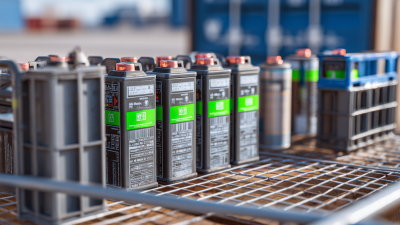
10 Essential Tips for Handling UN3480 Battery Safely and Effectively
Handling the UN3480 battery safely is crucial for anyone involved in storage or transportation. These batteries, commonly used in consumer electronics, require specific precautions. Neglecting safety measures can lead to serious consequences.
It is essential to understand the characteristics of the UN3480 battery. Unlike other batteries, it poses unique risks due to its lithium content. Proper training and knowledge can greatly reduce these risks. Moreover, organizations must ensure that employees are informed about best practices. This increases safety and promotes accountability in handling these batteries.
Despite the guidelines, mistakes can happen. Often, people overlook the importance of personal protective equipment. They underestimate the significance of correct packaging. Each oversight can lead to dangerous situations. Reflecting on these potential pitfalls allows us to improve safety standards significantly.
Understanding UN3480 Batteries: Definition and Classification
UN3480 batteries are a specific classification of lithium-ion batteries. They are commonly used in various consumer electronics and electric vehicles. Understanding this classification is critical for safe handling and transport. The UN3480 label indicates that these batteries do not contain any liquid electrolyte. This differentiates them from other battery classifications that may pose more significant hazards.
Proper identification is key when dealing with UN3480 batteries. Mishandling can lead to accidents, including fires or chemical leaks. Ensure all personnel are trained in recognizing these batteries. This knowledge can help avoid mistakes. It's vital to provide adequate training on emergency procedures and protective equipment. Think about how often batteries are discarded improperly. It’s an oversight that can have serious consequences.
When storing these batteries, consider the environment. Keep them in a cool, dry place to avoid degradation. Avoid stacking them loosely, which can lead to punctures. Regular checks for any signs of damage are essential. Many people overlook this step. A small dent can lead to bigger problems. Therefore, handling UN3480 batteries requires both awareness and diligence.
Legal Regulations for Transporting UN3480 Batteries Safely
When transporting UN3480 batteries, compliance with legal regulations is crucial. These batteries, containing lithium-ion, require careful handling. According to the International Air Transport Association (IATA), improper transport can lead to serious hazards, including fire and chemical leaks. A recent report highlighted that 30% of battery-related incidents in transit stem from neglecting these laws.
Familiarize yourself with key regulations from the UN Model Regulations. Each battery must be labeled appropriately. The packaging should be robust and designed to prevent short circuits. Use insulated materials between terminals to minimize risk. In 2022, the Transport Research Laboratory noted that compliance mistakes cost the industry billions in damages.
Tip 1: Always ensure that batteries are stored in fire-resistant containers. This reduces the risk of fires in case of a malfunction.
Another critical requirement involves providing emergency contact information. Training staff on the specific handling protocols can mitigate errors. Statistically, organizations that trained employees reported a 40% reduction in transport incidents.
Tip 2: Implement a checklist for your transport procedure. This simple tool can enhance safety levels significantly.
Unexpected challenges can arise, prompting reassessment of procedures. Regular audits can help identify weaknesses in compliance strategies. As regulations evolve, staying informed is key to safe transport practices.
Storage Guidelines for UN3480 Batteries to Prevent Hazards
Storing UN3480 batteries requires careful attention to safety. These batteries can present risks if not handled properly. Identify a cool, well-ventilated area for storage. Avoid high temperatures and direct sunlight. The ideal temperature should be between 15°C and 25°C.
Use sturdy storage containers to hold the batteries securely. This prevents physical damage, which can lead to leaks or short circuits. Keep the batteries away from conductive materials, such as metal objects. Label the storage area clearly. This helps maintain organization and ensures that everyone understands the hazards involved.
Regularly inspect the storage conditions. Look for signs of corrosion or leakage. Even minor damage can pose serious risks. Document these inspections for future reference. Remember, a small oversight can have significant consequences. Creating a robust storage guideline is crucial for safety practices.
Best Practices for Handling UN3480 Batteries During Usage
Handling UN3480 batteries requires careful attention to detail and proven best practices. Always inspect the battery for damage before use. A dent or crack can lead to potential hazards during operation. Wearing personal protective equipment is crucial. Gloves and safety goggles protect you from any accidental spills or injuries.
While using these batteries, avoid temperatures that exceed the specified limits. Extreme heat can cause failure or even explosions. Store the batteries in a cool, dry place when not in use. Ensure they are secured and upright to prevent short-circuits. Mismanagement often results in accidents that could have been avoided.
Charging must be monitored closely. Overcharging is a common mistake that can compromise battery integrity. Always follow the manufacturer's guidelines for charging times. If the battery becomes excessively hot, disconnect it immediately. Reflecting on these practices can lead to safer handling and a stronger understanding of battery management.
10 Essential Tips for Handling UN3480 Battery Safely and Effectively
| Tip Number |
Safety Tip |
Details |
| 1 |
Proper Labeling |
Clearly label all batteries to indicate their contents and hazards. |
| 2 |
Use Protective Gear |
Always wear gloves and safety goggles when handling batteries. |
| 3 |
Avoid Short Circuits |
Keep terminals insulated to prevent accidental short circuits. |
| 4 |
Store Safely |
Store batteries in a cool, dry place away from flammable materials. |
| 5 |
Follow Manufacturer Instructions |
Always refer to and follow the manufacturer’s guidelines for use and disposal. |
| 6 |
Check for Damage |
Inspect batteries for any signs of damage before use. |
| 7 |
Do Not Overcharge |
Avoid overcharging batteries as it can lead to leakage or explosion. |
| 8 |
Maintain Ventilation |
Ensure good air circulation when using batteries to avoid overheating. |
| 9 |
Dispose Properly |
Follow local regulations for proper battery disposal and recycling. |
| 10 |
Emergency Procedures |
Know emergency protocols in case of a battery incident or leak. |
Emergency Response Procedures for UN3480 Battery Incidents
In any incident involving UN3480 batteries, immediate action is crucial. Identify the type of battery involved. If it is damaged, potential risks such as leaks or fire can occur. Always keep a safe distance from the source of the problem. Use appropriate personal protective equipment (PPE) to minimize exposure.
When addressing a battery incident, ensure there is proper ventilation. Limit access to the area until the situation stabilizes. If a fire occurs, standard fire extinguishers are often ineffective. Focus on using a Class D extinguisher specifically designed for metal fires.
In case of a spill, contain it with absorbent materials. Secure the area and label it to prevent accidental contact. Notify emergency services for assistance. Document the incident for future reference. Reflection on past incidents can guide better practices in the future.