Essential Tips for Successful Titanium Welding Techniques?
Titanium Welding is a highly specialized skill that requires numerous techniques and consideration. Notably, titanium's unique properties, such as its strength-to-weight ratio and corrosion resistance, make it invaluable in industries like aerospace and biomedical engineering. According to a report by Markets and Markets, the titanium welding market is projected to reach $3.5 billion by 2025, reflecting a growing demand for skilled welders.
However, successful titanium welding entails significant challenges. For instance, titanium must be handled in a specific environment to avoid contamination. Even minor impurities can lead to structural failures. Studies indicate that improper welding can reduce the strength of welds by up to 50%. Therefore, mastering the various techniques is crucial for producing high-quality joints.
A focus on continuous learning and adapting to new welding technologies is vital. As the industry evolves, professionals must reflect on their methods and stay updated with best practices. Exploring innovative approaches can enhance overall effectiveness and efficiency, ultimately improving output quality in titanium welding.
Understanding the Unique Properties of Titanium for Welding
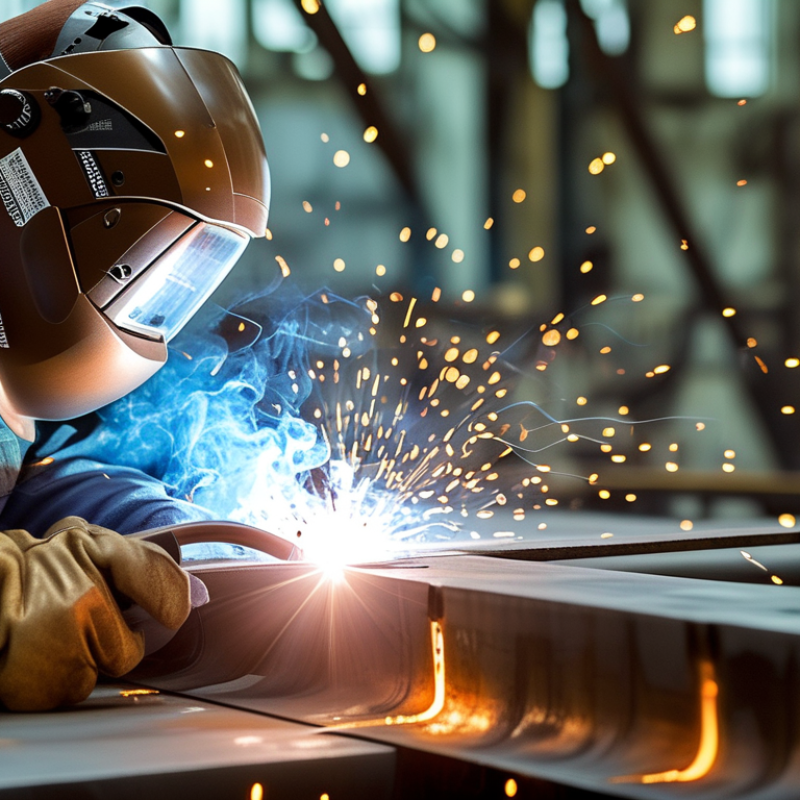
Titanium possesses unique properties that make it both challenging and rewarding for welding. The metal boasts a high strength-to-weight ratio, exceptional corrosion resistance, and can operate effectively at elevated temperatures. According to research from the International Institute of Welding, titanium’s melting point averages about 1,660°C. This requires specialized techniques and equipment for successful welding.
Welders often face difficulties due to titanium's tendency to absorb oxygen and nitrogen during the welding process. This can lead to embrittlement, reducing the material's integrity. It is essential to maintain an inert atmosphere, often using argon gas, to mitigate these risks. Furthermore, meticulous pre-weld preparation is critical, which includes cleaning the metal thoroughly to prevent contamination.
Common practices involve the use of back purging to shield the backside of the weld. This helps maintain quality and prevents defects. The focus should also be on using a low heat input to minimize warping and distortion, as titanium can be sensitive to heat. Industry reports show that improper technique can lead to a 30% reduction in tensile strength. It’s vital to constantly evaluate your methods, learning from both successes and failures.
Essential Equipment for Efficient Titanium Welding
Efficient titanium welding requires specialized equipment to achieve strong, durable joints. One critical tool is the tungsten inert gas (TIG) welder. This equipment provides excellent control over the welding arc, which is essential for titanium's unique properties. It allows for precise heat input, minimizing the risk of warping or damaging the material.
In addition to the welder, having the right filler material is crucial. Using a compatible filler ensures proper bonding. It's important to select the correct alloy grade, as mismatched materials can lead to weak welds. Furthermore, a clean working environment is vital. Contaminants like oil and moisture can compromise weld quality.
Welding gloves and helmets with proper shielding are also must-haves. They protect against harmful UV rays and sparks. However, even experienced welders can find challenges in maintaining a consistent technique. Reflection on past projects can reveal areas for improvement. Regular practice in various positions and conditions enhances skill. This adaptability is key in mastering titanium welding.
Preparation Techniques for Successful Titanium Welding Projects
The preparation techniques for successful titanium welding projects are crucial for achieving high-quality welds. Titanium is known for its unique properties, including excellent corrosion resistance and high strength-to-weight ratio. However, these advantages come with challenges. Effective cleaning is essential. Contaminants such as oil, moisture, and dust can significantly affect the weld integrity. According to industry reports, over 30% of weld failures are attributed to inadequate surface preparation.
Before starting the welding process, it’s important to remove all impurities from the titanium surface. This often involves chemical cleaning methods, such as using solvents or abrasive blasting. For best results, a cleanroom environment is recommended to minimize airborne contaminants. The use of precision instruments during the cleaning process ensures thoroughness. This level of detail can help reduce the risk of defects, which is a common issue in titanium welding.
Additionally, managing the heat input is critical. Controlled preheat temperatures can lead to improved weld quality. However, too much heat can warp the material or introduce impurities. Professional welders typically rely on industry data that indicates the optimal preheat range for different titanium alloys. Adjusting these parameters might require some trial and error, as each project can present unique challenges. Regularly reviewing the results can help refine these preparation techniques and enhance overall welding performance.
Common Challenges in Titanium Welding and How to Overcome Them
Welding titanium presents unique challenges that require specific techniques to succeed. One primary issue is managing the material's reactivity. Titanium can react with oxygen, nitrogen, and hydrogen at elevated temperatures, leading to contamination and compromised weld integrity. A study from the Welding Journal indicated that up to 30% of weld failures in titanium components were attributed to improper shielding gas techniques. This demonstrates the need for effective gas coverage during the welding process.
Another notable challenge is controlling warping and distortion due to titanium's high thermal expansion coefficient. Heating and cooling cycles can create stresses that cause parts to warp. According to the American Welding Society, proper pre-weld preparation and post-weld heat treatments can significantly reduce these risks. Employing tools like fixturing systems can also help maintain alignment during the welding operation.
Welders must continuously reflect on their practices. Even skilled professionals can overlook critical details, such as maintaining a consistent travel speed. Ensuring that each weld pass is uniform can minimize defects, which may otherwise lead to costly repairs. Data shows that 25% of titanium welding defects arise from inconsistent technique. This underlines the importance of adherence to established practices and the value of ongoing training.
Best Practices for Post-Weld Inspection and Quality Assurance
Post-weld inspection is crucial for ensuring the longevity and integrity of titanium welds. One effective method is to conduct visual inspections immediately after welding. Look for surface defects like cracks or insufficient penetration. These flaws can compromise the performance of the weld. It's important to catch these issues early to prevent future failures. Even small imperfections warrant a second look.
Another vital practice is to perform non-destructive testing (NDT). Techniques like ultrasonic and radiographic testing help identify internal flaws. These methods provide insights that visual inspections may miss. Regular use of NDT enhances quality assurance processes. This can bolster trust in the welded components for critical applications.
Documentation serves as an essential tool during the post-weld phase. Keep a detailed record of inspection results and testing data. This not only aids in quality control but also improves accountability. Reflecting on past projects can highlight areas for improvement. Revisiting your inspection protocols can lead to better practices in future endeavors. Commitment to continuous improvement strengthens overall welding integrity.