What is the Future of Lithium Batteries and Their Applications?
The future of lithium batteries is an evolving landscape. These batteries are fundamental to many technologies today. From electric vehicles to portable electronics, they play a critical role. Interest in better battery performance continues to grow. However, challenges remain, including longevity and environmental impact.
Lithium batteries offer high energy density. This makes them suitable for a range of applications. Yet, concerns about resource scarcity and recycling persist. As demand for lithium increases, so does the need for sustainable practices. Innovators are researching alternatives and efficiency improvements.
The path forward includes both opportunities and hurdles. Stakeholders must navigate market dynamics and technological advances. Collaboration among manufacturers, researchers, and policymakers is vital. The evolution of lithium batteries could define the future of energy storage. A balanced approach will determine the success of this critical technology.

Current State of Lithium Battery Technology and Market Overview
The lithium battery market is evolving rapidly. Currently, lithium-ion technology dominates, powering smartphones, electric vehicles, and renewable energy systems. This dominance is driven by its high energy density, long life cycle, and decreasing costs. However, the industry faces significant challenges, such as resource scarcity and environmental concerns linked to mining and disposal.
Recent innovations are emerging. Researchers are exploring alternatives like solid-state batteries and new chemistries. These advancements promise greater safety and efficiency. Yet, they remain largely in the experimental stage. Many scientists question whether these technologies can truly scale for mass production. The market is dynamic, with players attempting to navigate these complexities while adapting to consumer demands for sustainability.
As governments worldwide push for greener technologies, the lithium battery market must adapt. There is increasing pressure to enhance recycling efforts. The current recycling rates are low, raising concerns about future lithium resource availability. This presents a dilemma for manufacturers. They must balance growth with environmental footprint reduction. Continuous R&D investments are critical. Solutions must evolve to meet both market and ecological needs. The future of lithium batteries may hinge on these developments.
What is the Future of Lithium Batteries and Their Applications? - Current State of Lithium Battery Technology and Market Overview
| Aspect |
Current Status |
Future Trends |
Market Share (%) |
| Battery Chemistry |
Lithium-ion dominates |
Solid-state technology growth |
70% |
| Energy Density |
250-300 Wh/kg |
Targeting 400 Wh/kg in 2030 |
65% |
| Cycle Life |
500-1500 cycles |
Increasing to 3000 cycles |
60% |
| Environmental Impact |
Recycling programs established |
Advancements in sustainability technologies |
55% |
| Major Applications |
EVs, electronics |
Energy storage systems, aerospace |
75% |
Key Innovations in Lithium Battery Chemistry and Design
The advancements in lithium battery technology are reshaping numerous industries. Innovations in battery chemistry, such as solid-state technology, are particularly noteworthy. These batteries promise higher energy density and improved safety over traditional lithium-ion batteries. According to a recent industry report, solid-state batteries could have an energy density of over 300 Wh/kg, significantly boosting electric vehicle (EV) range.
Another area of innovation is the development of faster charging methods. Researchers are now exploring new materials that can reduce charging times. For instance, batteries utilizing silicon anodes can achieve charging speeds that are up to ten times faster than standard lithium-ion designs. This could significantly enhance user experience in electronic devices and electric transportation.
Tips: Always consider the impact of charging habits on battery longevity. Rapid charging isn't always the best choice for long-term use. Regularly discharging lithium batteries to around 20% can improve lifespan.
Another intriguing trend is the recyclability of lithium batteries. As demand grows, so does the need for sustainable practices. Developing efficient recycling methods can lead to recovery rates exceeding 95%. This could ensure a steady supply of materials while reducing environmental harm. Sustainable practices will play a crucial role in the future success of lithium battery applications.
Future of Lithium Batteries: Innovations Over Time
This chart illustrates the increasing energy density of lithium batteries from 2015 to 2023, showcasing the advancements in lithium battery technology over the years. These improvements are critical for applications in electric vehicles, renewable energy storage, and portable electronics.
Emerging Applications of Lithium Batteries in Various Industries
The future of lithium batteries is bright, with new applications emerging across various industries.
In the automotive sector, electric vehicles are rapidly gaining popularity. Lithium batteries power these cars, offering a cleaner alternative to traditional fuels.
As technologies advance, battery efficiency and charging speeds are expected to improve, making electric vehicles more appealing.
However, the environmental impact of battery production remains a concern.
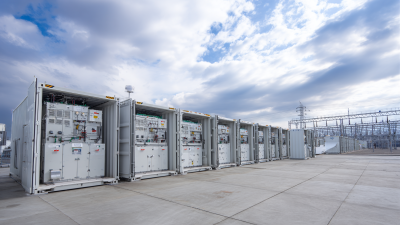
In the renewable energy field, lithium batteries play a crucial role in energy storage. They can store solar and wine energy for later use.
This capability supports the transition to green energy sources. Nevertheless, the sourcing of lithium raises questions about sustainability.
Mining practices need to evolve to reduce ecological footprints.
Consumer electronics also benefit from ongoing advancements in lithium battery technology.
Devices become lighter and more powerful, enhancing user experiences.
Yet, issues like battery life and safety must be addressed.
Research is vital to refine these technologies and ensure reliability in everyday applications.
As industries explore new potentials, the challenges of lithium battery use call for careful consideration and innovation.
Challenges and Environmental Concerns of Lithium Battery Production
The production of lithium batteries has raised significant environmental concerns. The extraction of lithium often involves processes that harm the environment. Reports indicate that lithium mining can consume vast amounts of water, leading to water scarcity in local communities. In fact, a 2021 study highlighted that lithium extraction uses approximately 2 million liters of water per ton of lithium produced.
Waste generation is another critical issue. The refining process of lithium can produce toxic waste if not managed properly. This waste can contaminate soil and water sources. According to the International Energy Agency, increasing demand for lithium could triple extraction rates by 2030. This escalation might exacerbate environmental degradation.
Tips: Consider battery recycling to reduce waste. It helps mitigate the environmental effects linked to production. Choose batteries with a longer lifespan to minimize your carbon footprint. Always stay informed about sustainable practices in tech to promote responsible consumption. The shift towards greener alternatives must remain a priority to balance production with ecological impact.
Future Directions and Trends in Lithium Battery Development and Use
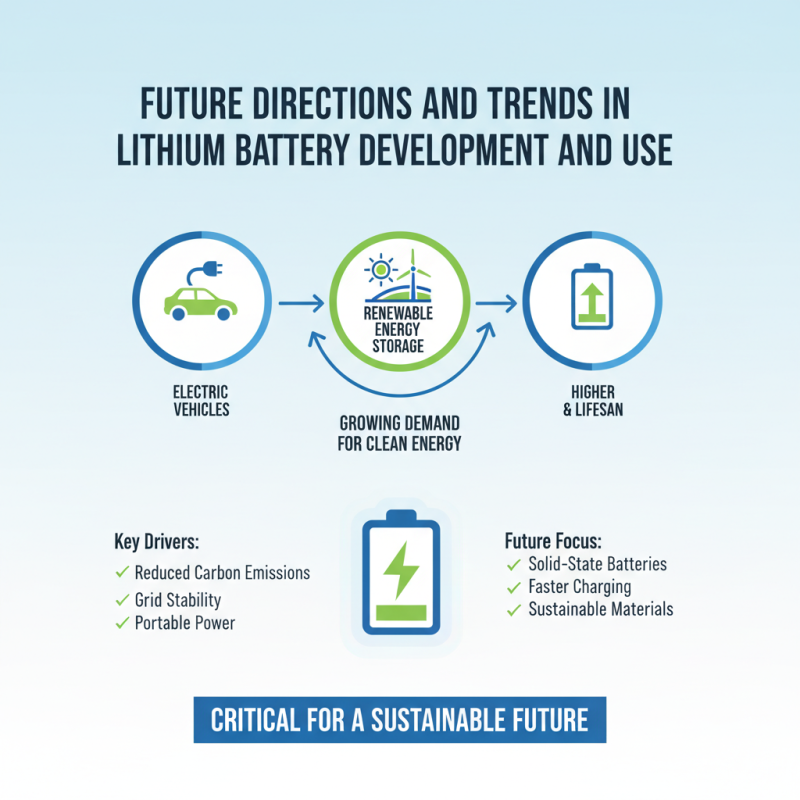
The future of lithium batteries appears bright but brings challenges ahead. These batteries are critical for many sectors. Electric vehicles and renewable energy storage heavily rely on their development. As the demand for clean energy grows, so does the need for batteries with higher efficiency and longer lifespan.
Innovations in materials science play a pivotal role in battery evolution. Researchers are exploring alternatives to traditional lithium, such as sodium and magnesium, which might mitigate supply chain issues. Solid-state batteries are gaining attention for their potential to enhance safety and energy density. These advancements could lead to batteries that charge faster and last longer.
However, the industry must address various issues. Sustainability is a concern; the extraction of lithium can harm ecosystems, and recycling methods are often insufficient. Moreover, the performance of batteries under extreme conditions is not fully understood. Continuous research and collaboration across disciplines are essential to tackle these challenges effectively.