How to Handle UN3481 Battery Shipping Safely and Compliantly
Shipping batteries, specifically those classified as UN3481, requires careful consideration and adherence to safety regulations to ensure compliance and prevent hazardous incidents. The UN3481 battery designation pertains to lithium batteries contained in or packed with equipment, which are widely used in various electronic devices. As the demand for such batteries increases in consumer electronics, understanding the proper methods for shipping them safely has become more critical than ever.
In this guide, we will explore the essential protocols for handling UN3481 battery shipments. From packaging requirements to labeling and documentation, each step plays a vital role in mitigating risks associated with battery transport. By emphasizing compliance with international regulations, we aim to provide insights that not only safeguard the integrity of the shipments but also promote the safety of all individuals involved in the shipping process. Proper knowledge and preparation can significantly minimize potential hazards, making the shipping of UN3481 batteries a streamlined and secure endeavor.

Understand the Basics of UN3481 Batteries and Their Classification
The classification of UN3481 batteries, which are lithium-ion batteries contained in or packed with equipment, is crucial for ensuring safe and compliant shipping. According to the United Nations, UN3481 falls under the transport regulations specifically designed for lithium batteries, highlighting the importance of differentiating based on whether the batteries are installed in equipment or shipped separately. This distinction is essential as it affects the packaging, labeling, and handling procedures required during transport.
Recent data from the International Air Transport Association (IATA) indicate that a significant percentage of air cargo incidents are linked to improper handling of hazardous materials, including lithium batteries. In 2022, approximately 10% of reported cargo incidents involved lithium battery shipments. This underscores the need for organizations to thoroughly understand the regulatory framework surrounding UN3481 batteries. Compliance with these guidelines can minimize risk and facilitate more efficient logistics, particularly as the demand for battery power continues to grow globally.
Proper training for shipping personnel and adherence to the guidelines outlined in the IATA Dangerous Goods Regulations are essential steps toward ensuring safe transportation practices.
Regulations Governing the Shipping of UN3481 Batteries
When shipping UN3481 batteries, which refer to lithium-ion batteries contained in or packed with equipment, it is crucial to understand the regulations that govern their transportation. The International Air Transport Association (IATA) and the United Nations (UN) have established specific guidelines to ensure safe shipping practices. These regulations primarily focus on categorizing the batteries based on their size, weight, and capacity, which in turn dictates the necessary packaging, labeling, and documentation. For instance, UN3481 batteries must be packaged in a manner that prevents short circuits and physical damage during transit, often involving the use of protective cases and cushioning materials.
Moreover, shippers are required to declare the presence of these batteries when preparing shipping documents. This involves including specific markings on the outer packaging that indicate the presence of lithium batteries. The labels should comply with the standardized format established by regulatory authorities, ensuring that handlers and carriers are aware of the potential hazards associated with these items. Understanding and adhering to the regulations surrounding the shipping of UN3481 batteries is essential not only for compliance but also for promoting safety throughout the entire transport process, protecting both personnel and the environment from potential risks associated with lithium battery shipments.
Packaging Requirements for Safe Shipping of UN3481 Batteries
When shipping lithium-ion batteries classified as UN3481, strict adherence to packaging requirements is essential for ensuring safety and compliance. According to the International Air Transport Association (IATA), UN3481 refers specifically to lithium-ion batteries contained in or packed with equipment. Proper packaging must prevent short circuits, damage, and leakage during transit. Studies from the National Fire Protection Association (NFPA) indicate that inadequate packaging is a leading cause of battery incidents during shipping, underscoring the importance of using containers that meet regulatory guidelines.
The IATA guidelines suggest utilizing strong outer packaging that is capable of withstanding the rigors of transportation. This includes the use of cushioning materials to protect the batteries from physical damage and to prevent movement within the outer package. Additionally, the packaging should include appropriate labeling, such as the Lithium Battery Mark and handling labels, to inform handlers of the contents. Furthermore, according to a report from the US Department of Transportation, all packages must be designed to withstand the conditions of air transport, including changes in pressure and temperature.
Failure to comply with these requirements not only jeopardizes safety but can also result in significant fines and disruptions in the supply chain.
Labeling and Documentation for Compliance in Battery Shipping
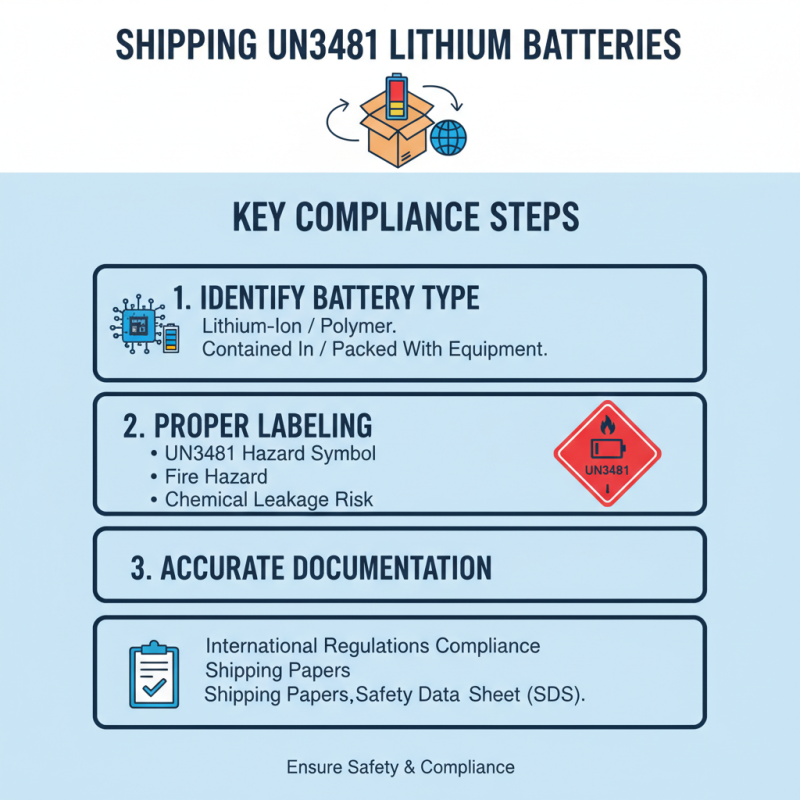
When shipping UN3481 batteries, proper labeling and documentation are crucial for ensuring compliance with international regulations. The first step in this process involves accurately identifying the battery type and understanding its classification. Batteries that fall under UN3481 are typically lithium-ion or lithium polymer batteries that are contained in or packed with equipment. It is essential to label these packages with the appropriate hazard symbols, which inform handlers of potential risks associated with lithium batteries, such as fire hazards or chemical leakage.
In addition to labeling, comprehensive documentation is necessary to accompany the shipment. The shipper must prepare a declaration indicating the contents and their compliance with relevant safety regulations. This includes details like the quantity of batteries, weight, and any special handling instructions. Ensuring that this paperwork is accurate and complete not only aids in smooth transit but also protects all parties involved by minimizing the risk of accidents or misunderstandings during the shipping process. Proper labeling and documentation will help facilitate compliance with regulations set forth by organizations such as the International Air Transport Association (IATA) and the United Nations, ultimately contributing to safer air cargo operations.
Best Practices for Transporting UN3481 Batteries Safely
When transporting UN3481 batteries, which are typically lithium batteries packed with equipment, adhering to safety and compliance standards is crucial. According to the International Air Transport Association (IATA), proper packaging and labeling are essential to mitigate risks associated with battery transportation. A recent report indicated that improperly shipped lithium batteries are responsible for a notable percentage of air cargo errors, which can lead to hazardous incidents. Therefore, ensuring compliance with regulations, such as the United Nations (UN) recommendations, is paramount for shippers and carriers alike.
**Tips for Safe Transportation**: Always verify the packaging requirements specified by the IATA and the UN before shipping. Use UN-approved packaging materials that prevent movement and protect terminals from short-circuiting. Additionally, label the packages appropriately to inform handlers of the nature of the contents. Regular training for staff involved in packaging and shipping can also enhance safety measures, as human error is often a contributing factor to incidents.
When it comes to documentation, it’s essential to include a Declaration of Dangerous Goods when shipping UN3481 batteries. This form should clearly state the contents and adhere to local and international transport regulations. According to the Dangerous Goods Advisory Council, approximately 40% of regulatory violations stem from inadequate or incorrect documentation during transportation, highlighting the importance of diligence in this area. By implementing these best practices, companies can significantly reduce the risks associated with shipping lithium batteries and ensure a safer transportation environment.
Battery Shipping Safety Compliance: UN3481 Best Practices