How to Handle Shipping Damaged Lithium Batteries?
Shipping damaged lithium batteries is a growing concern in the logistics industry. Expert Dr. Sarah Lin, an environmental safety consultant, emphasizes, “Proper handling is crucial to prevent risks.” Damaged lithium batteries can lead to significant hazards, including fires and environmental pollution.
When batteries are damaged during shipping, companies often face operational challenges. Many shippers lack clear protocols for managing such incidents. This can result in costly delays and safety violations. Furthermore, the consequences may impact reputation and customer trust. The responsibility for shipping damaged lithium batteries should always align with established safety standards.
Despite advancements in shipping practices, challenges persist. Some companies unknowingly overlook critical guidelines. Regular training and reviews are essential to safeguard against such issues. Understanding the implications of shipping damaged lithium batteries is vital. A proactive approach can help prevent serious accidents and promote a safer environment.
Understanding Lithium Battery Damage During Shipping
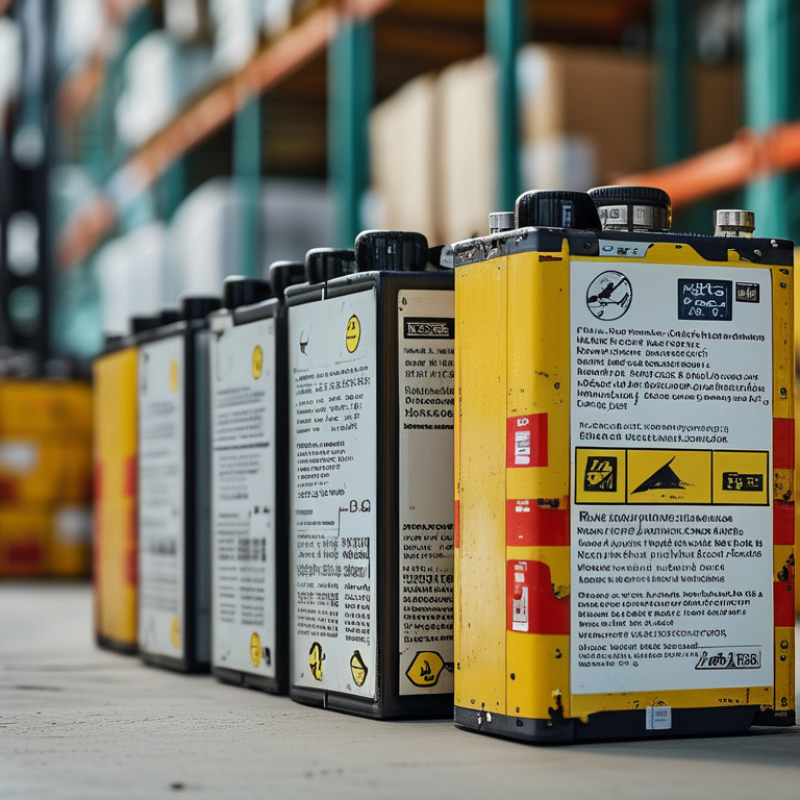
Lithium batteries are commonly used in various devices, yet they can sustain damage during shipping. Understanding the factors that contribute to this damage is vital for safe delivery. Temperature fluctuations, physical impacts, and improper packaging can all compromise battery integrity. These risks increase when the shipping route includes extreme conditions or rough handling.
Safety is paramount when shipping lithium batteries. Use durable, insulated packaging to protect against impacts. Ensure the batteries are secured properly within the package to prevent movement. Label the package clearly to identify its contents and associated risks. Regularly review shipping protocols to stay updated on best practices.
It's essential to educate staff on the risks associated with lithium batteries. Encourage communication regarding any observed packaging issues. Reflect on past shipping experiences to identify patterns. Regular training can help in recognizing potential hazards and implementing solutions effectively.
Identifying Signs of Shipping Damage to Lithium Batteries
Identifying signs of shipping damage to lithium batteries is crucial. First, check the packaging for any visible dents or tears. A compromised package can indicate internal damage. Look for crumpled corners or unusual bulges. These are often early signs that the batteries have been subjected to rough handling. Ensure you inspect both the outer and inner packaging thoroughly.
Next, examine the battery terminals and casing upon arrival. Corrosion or discoloration can indicate exposure to moisture. An intact terminal should be clean and free of rust. Any swelling or deformation of the battery casing might signal structural damage. Such conditions increase the risk of leaks or short circuits. If the battery feels unusually warm, do not use it.
Lastly, maintain a log of any damages. Documenting these incidents can provide insights for avoiding similar issues in the future. Communicate with your supplier about discrepancies. Shipping lithium batteries can be challenging, and learning from these experiences is vital. Reflecting on past shipments helps improve future handling and safety protocols.
How to Handle Shipping Damaged Lithium Batteries? - Identifying Signs of Shipping Damage to Lithium Batteries
| Sign of Damage |
Description |
Recommended Action |
| Physical Dents |
Visible dents or deformities on the battery casing. |
Do not use the battery; report it to the supplier. |
| Leakage |
Signs of liquid leaking from the battery. |
Handle with care; dispose of properly. |
| Swelling |
Bulging or puffing of the battery shape. |
Do not charge or use; return to supplier. |
| Discoloration |
Any unusual color changes on the battery surface. |
Consult a professional for assessment. |
| Unusual Odor |
Strong, acrid smell emanating from the battery. |
Evacuate area; contact emergency services. |
Safety Precautions When Handling Damaged Lithium Batteries
Shipping damaged lithium batteries poses serious safety risks. Precautions are essential to handle them properly. According to the International Battery Association, nearly 50 incidents involving lithium batteries occur annually during transport. Awareness of safety measures can prevent these incidents.
When handling damaged lithium batteries, wear protective gloves and goggles. Avoid any open flames or heat sources. Store the batteries in a cool, dry place, away from flammable materials. If a battery is leaking, contain the fluid carefully. Avoid direct contact to prevent skin irritation or chemical burns.
Tips: Always check the packaging for any signs of damage. If you find any, contact a hazardous materials expert. Keep a fire extinguisher rated for lithium battery fires nearby. Report any incidents to authorities as soon as possible. Remember, even small leaks or dents can lead to significant hazards. Stay vigilant and prioritize safety over convenience.
Reporting and Documenting Shipping Damage to Lithium Batteries
Shipping lithium batteries can sometimes lead to damage during transit. Reporting and documenting this damage is crucial for both compliance and safety. If you discover a damaged battery upon delivery, take immediate action. Capture clear photographs of the battery and packaging. This visual evidence will support your case when filing a report with the carrier.
When documenting, include as much detail as possible. Note the condition of the battery and the packaging. Describe the shipment time and any unusual circumstances that may have contributed to the damage. Create a clear narrative of events. This approach lends credibility to your claim and helps address any potential disputes.
Handling damaged lithium batteries requires special attention. Properly inform the shipping company about the issue. Keep all correspondence, as this documentation may be vital. Remember that safety is paramount. Do not attempt to use or dispose of a damaged battery without proper guidance. When in doubt, consult a professional for advice on safe handling.
Disposal and Recycling of Damaged Lithium Batteries Properly
When dealing with damaged lithium batteries, proper disposal and recycling are essential. Lithium batteries contain hazardous materials. These materials can harm the environment and pose a safety risk if not handled correctly. It’s vital to assess the damage before taking further action. Sometimes, batteries may show slight damage. In such cases, storage in a safe, non-flammable container is necessary.
Recycling damaged lithium batteries can be a complex process. Many recycling centers accept batteries regardless of condition. However, the condition may dictate how they handle disposal. Always check if the recycling center has the proper certifications to manage hazardous waste. This ensures both safety and compliance with regulations. Many centers provide detailed instructions for pre-processing, like sealing terminals with tape. This step minimizes short-circuit risks during transport. If you’re unsure about local guidelines, consulting with professionals is always a good idea.
Improper disposal can lead to serious environmental issues. Each year, thousands of batteries end up in landfills, leaching harmful substances. This negligence may lead to accidents or contamination. Awareness and education on safe disposal methods can prevent these issues. Sharing knowledge about recycling options can make a significant difference. It not only protects our environment but also enhances community safety.