| 1. Length of the Power Outage | Cold air is gradually lost after the cooling system stops, and food temperature rises over time. | An unopened refrigerator generally keeps food cold for about 4 hours. A full freezer can usually remain cold for about 48 hours, while a half-full freezer may last about 24 hours. | Keep the doors closed and begin checking food safety as soon as power is restored. |
| 2. Frequency of Door Opening | Every opening allows warm room air to enter and cold air to escape, accelerating temperature rise. | Repeated or prolonged opening can shorten the safe cooling period considerably compared with an unopened appliance. | Open the refrigerator or freezer only when necessary. Prepare an emergency food plan in advance. |
| 3. Amount of Food Inside | Cold food acts as thermal mass and helps maintain a stable temperature during a power interruption. | A well-stocked freezer generally stays cold longer than an empty or lightly stocked freezer. Overpacking, however, can restrict air circulation during normal operation. | Keep the freezer reasonably full, leaving enough space for air to circulate around the food. |
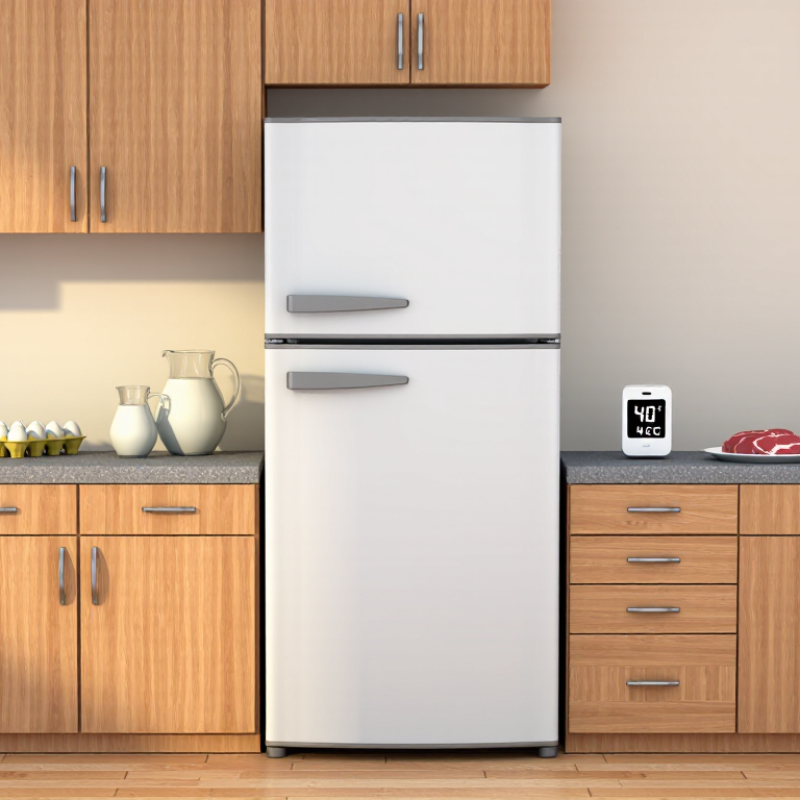
| 4. Starting Temperature | Food that starts thoroughly chilled gives the appliance a larger temperature buffer before reaching unsafe conditions. | Refrigerator food should normally be stored at or below 40°F (4°C). Frozen food should normally be kept at approximately 0°F (-18°C). | Do not place hot food inside shortly before an expected outage, and use an appliance thermometer to monitor conditions. |
| 5. Room Temperature | A refrigerator loses heat more quickly in a hot room and more slowly in a cool room. | Direct sunlight, hot kitchens, poor ventilation, or outdoor heat can reduce the time food remains cold. The standard 4-hour refrigerator guideline assumes the door remains closed. | Keep the appliance away from direct sunlight and heat-producing equipment. Never place perishable food outdoors as a substitute for refrigeration. |
| 6. Insulation and Appliance Condition | Door seals, cabinet insulation, appliance age, and general condition determine how effectively cold air is retained. | A damaged gasket, loose door, or poorly insulated cabinet can cause temperatures to rise faster than expected. | Check that the door closes tightly, inspect the gasket for gaps, and replace damaged seals when needed. |
| 7. Ice Packs and Backup Cooling | Frozen water and ice packs absorb heat as they warm, helping protect refrigerated or frozen food. | Adding ice can extend the cooling period, but it does not guarantee that food remains safe. Perishable food should be discarded if it has been above 40°F (4°C) for 2 hours or more, or for 1 hour when the surrounding temperature is above 90°F (32°C). | Use clean ice or frozen gel packs, place them around perishable food, and verify the temperature with a food or appliance thermometer. |