How to Choose LED Spotlights for Your Business
Choosing Led Spotlights for a business is not just a matter of picking the brightest lamp. The right beam can make a product display feel inviting, guide customers through an aisle, or highlight a reception desk without washing out its details. Lighting designer Richard Kelly called one form of focused illumination “focal glow,” a useful idea when deciding what deserves attention in a space.
Start with the task. A narrow beam can suit a feature wall or a high shelf, while a wider beam may work better over a counter. Check beam angle, brightness, color temperature, and color rendering together. A warm tone may feel comfortable in a café, but a retail display might need a more neutral look. Ask for a sample, then test it at the actual mounting height. Small differences matter.
Also check dimming compatibility, expected operating hours, and how easily staff can replace or maintain each fixture. Glare is easy to underestimate. Stand where customers will stand, not only beneath the light. A spotlight that looks crisp on a plan may feel harsh at eye level. There is no perfect specification for every business; ceiling height, surface colors, and daily use all change the result. A little trial and adjustment may be necessary. It is worth admitting that. Start with the space, test the light, and choose Led Spotlights that serve both people and products.
Identify the Lighting Needs of Your Business
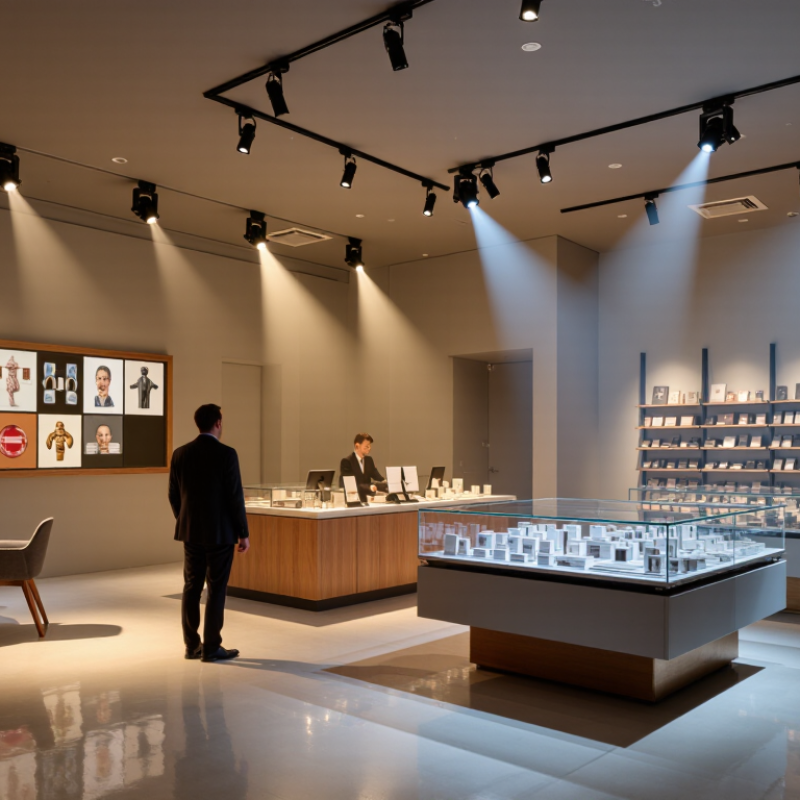
Before choosing LED spotlights, map what each area needs people to see. A cashier needs clear facial detail and readable labels; a display shelf needs focused light without harsh glare. Start with the task. Note ceiling height, surface colors, windows, and existing fixtures. A dark ceiling absorbs more light than a pale one, so identical lamps may feel different in two rooms.
Check brightness, beam angle, and color rendering together. Narrow beams can highlight products, but may leave gaps between pools of light. Wider beams suit general coverage, though they can flatten a display. For a shop floor, compare the stated lumen output with the area and mounting height; a simple wattage comparison can mislead. Color temperature also affects the mood and how merchandise appears. High color rendering can help reveal fabric or food colors, but it will not fix poor placement. Small detail, big difference. Consider dimming if daylight or evening activity changes the room’s needs. Specifications are a starting point, not a guarantee. If possible, test one fixture in the actual space and inspect it from customer eye level. You may need to adjust the plan after seeing the shadows.
Compare LED Spotlight Types and Key Specifications
Fixed LED spotlights suit counters, reception desks, and display cases where the target rarely moves. Adjustable or gimbal models tilt toward changing displays, while track-mounted spots can be repositioned as layouts evolve. Narrow beams create crisp accents on a product; wider beams spread light across shelves or work areas. A tight beam can also produce harsh glare. Test it at the actual viewing distance.
Compare output in lumens, not watts alone. Lumens indicate visible light; watts describe energy use. Beam angle matters too: a 15-degree beam highlights a small object, while a broader beam covers more surface. Check color temperature for the space. Warm white often feels comfortable in hospitality settings, while neutral white can help merchandise appear clear. A high color rendering index, such as 90 or above, is useful where accurate product colors matter.
Look beyond brightness. Confirm dimming compatibility, flicker performance, and expected operating life before buying. In dusty or damp areas, check the fixture’s ingress protection rating against the conditions on site. For example, a spotlight above a bakery counter may need different protection from one in a dry showroom. A common planning mistake is choosing by appearance alone. Even detailed specifications cannot fully predict how light will feel on a glossy surface, so test a sample in place when possible.
How to Choose LED Spotlights for Your Business
Compare common LED spotlight beam types by their typical beam-angle ranges.
How to use this chart: Narrow beams concentrate light on display items or architectural details; medium beams suit general accent lighting; and wide beams cover larger areas. These ranges are typical guidelines, not fixed standards—check each product’s specification sheet and test the light in your space.
Choose Beam Angles and Color Temperatures for Each Space
How to Choose LED Spotlights for Your Business
Choose beam angles and color temperatures around what people need to see. A narrow 15–25-degree beam can make a crisp accent on a product shelf, but it may leave dark gaps between displays. For a reception desk or work surface, a wider beam often spreads light more evenly. Check the fixture’s beam diagram at the actual mounting height; a beam that looks broad on paper can still miss the counter below. IES RP-1-22 provides office-lighting guidance, including maintained illuminance levels, but the right layout depends on room finishes and task details. Test a sample after dark. Real walls can surprise you.
Color temperature shapes how a space feels. Warm 2700–3000K light can soften restaurant seating, while neutral 3500–4000K often suits retail and service counters. In a back office, prioritize visual comfort and consistent color across adjoining areas. The U.S. Department of Energy reports that LEDs use at least 75% less energy than incandescent lighting, but efficiency alone does not guarantee good light. Compare color rendering, glare, and dimming performance before choosing. I still find that a technically “correct” setting can feel harsh on glossy packaging. Adjust one zone at a time, then inspect skin tones, labels, and shadows from the customer’s viewpoint.
Evaluate Energy Costs, Lifespan, and Warranty Terms
LED spotlights can look similar on a sales sheet, but their running costs may differ. Compare light output and watts, not wattage alone. For example, a 20-watt spotlight used 10 hours daily consumes about 73 kilowatt-hours yearly. Multiply that by your electricity rate to estimate its energy cost. Use your actual operating schedule; a shop open late will reach replacement milestones sooner.
Tips: Check the warranty’s length, covered components, and claim process. Ask whether labor and shipping are included, and whether coverage decreases over time. Save the product specification sheet and purchase date. Small details matter.
Compare rated lifespan with the warranty, but don’t treat either as a guarantee. Heat, dust, frequent switching, and enclosed fixtures can shorten service life. Check whether the spotlight is suitable for its fitting and environment. A longer warranty may still exclude failures caused by poor ventilation. The spreadsheet will not reveal glare on a display or uneven light across a counter, so test a sample in the actual space when possible. I find this easy to overlook: replacement labor and downtime can cost more than the fixture itself. Include both when comparing options.
How to Choose LED Spotlights for Your Business - Evaluate Energy Costs, Lifespan, and Warranty Terms | LED Spotlight Option | Power and Typical Light Output | Estimated Annual Energy Use | Estimated Annual Energy Cost | Rated Lifespan | Typical Warranty Term | Best Suited For |
| Low-output spotlight | 10 W; approximately 800 lumens | 36 kWh | $5.40 | 25,000 hours | 3 years | Display cases, small signs, and accent lighting where lower brightness is sufficient. |
| Medium-output spotlight | 15 W; approximately 1,200 lumens | 54 kWh | $8.10 | 35,000 hours | 3–5 years | Retail displays, reception areas, and general directional lighting. |
| High-output spotlight | 20 W; approximately 1,600 lumens | 72 kWh | $10.80 | 50,000 hours | 5 years | Higher ceilings, larger displays, and spaces that need stronger focused illumination. |
| Adjustable or dimmable spotlight | 12–18 W; approximately 900–1,500 lumens | 43–65 kWh | $6.48–$9.72 | 25,000–40,000 hours | 3–5 years | Businesses that change displays or need to adjust light levels throughout the day. |
| Estimates assume operation for 12 hours per day, 300 days per year, and an electricity rate of $0.15 per kWh. Annual energy use is calculated as wattage × operating hours ÷ 1,000. Actual light output, lifespan, warranty coverage, and energy costs vary by product and operating conditions; check the product specification sheet and warranty terms before purchasing. |











