What Is an Industrial Bagging Machine?
An Industrial Bagging Machine weighs, fills, and closes bags, turning loose product into a consistent, transport-ready package. Depending on the material, it may handle powders, grains, pellets, or other bulk goods. Picture a hopper feeding product into an open bag while sensors monitor the target weight. Small adjustments matter. A few grams can add up across a long production run.
The wider machinery market shows why this equipment deserves careful attention. PMMI’s 2024 State of the Industry report places U.S. packaging machinery shipments at about $10.9 billion in 2023. That figure covers packaging machinery broadly, not bagging machines alone. It signals a substantial sector, but it does not prove that every plant needs automation. As packaging machinery specialist Jorge Izquierdo of PMMI has said, “Automation is no longer a luxury; it is a necessity.” The right lesson is not to automate blindly. It is to identify a real bottleneck, then assess whether a bagging system can address it.
A useful evaluation starts with the product, required output, bag material, and weighing accuracy. Dust control, changeover time, operator access, and cleaning needs deserve equal attention. They are easy to overlook on a polished specification sheet. This guide explains what an Industrial Bagging Machine is, how its main components work, and which questions help buyers compare systems. No machine is perfect. The best choice is the one that fits the actual line, including its awkward corners and daily constraints.
What an Industrial Bagging Machine Is
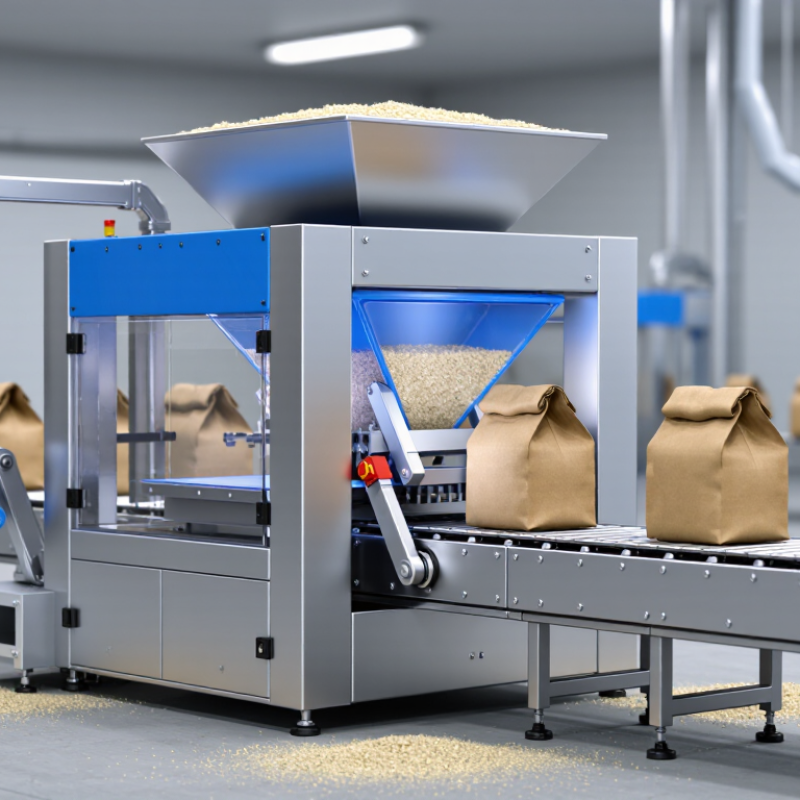
An industrial bagging machine is equipment that measures and fills products into bags, then closes or seals them for handling and shipment. Depending on the product, it may use gravity, an auger, or a weigh scale to feed material. Typical components include a product hopper, bag holder, filling spout, controls, and a sealing unit. Some systems form bags from a roll of film; others fill pre-made sacks. In a plant, operators may adjust settings for bag size, target weight, and product flow. Small details matter: dusty powder behaves differently from free-flowing pellets.
The term covers a range of machines, not one fixed design. A line packing flour may need dust extraction, while a line packing grain may prioritize gentle feeding and accurate weighing. Grand View Research’s Packaging Machinery Market Size, Share & Trends Analysis Report estimated the global packaging machinery market at USD 45.7 billion in 2022, with projected annual growth of 4.7% from 2023 to 2030. That broad figure includes many machine types; it does not measure baggers alone. A useful specification should therefore begin with the material, bag format, target rate, and acceptable weight variation. Real conditions can still expose gaps. Humidity, residue, or a poorly aligned bag can interrupt an otherwise capable system.
What Is an Industrial Bagging Machine?
An industrial bagging machine fills bags with a measured quantity of product, such as powders, granules, or pellets. The chart compares example target weights for common bag formats; actual capacities vary by product and application.
Common Types of Industrial Bagging Machines
Industrial bagging machines fill and close bags at production scale, but their designs vary with product flow, package size, and handling needs. An open-mouth bagger fills pre-made bags from the top. It suits powders, grains, pellets, and other materials that can be weighed into a waiting bag. A clamp holds the bag beneath the filling spout while a scale checks the target weight. Simple, but bag placement still matters.
Valve baggers fill bags through a small corner opening. The valve can close around the filling nozzle, which helps limit spillage with fine powders such as cement or flour. Dust control needs attention.
A form-fill-seal machine makes bags from a roll of film, fills them, then seals each package. This can reduce manual handling, though film choice and sealing temperature affect package quality.
Bulk bag fillers handle much larger loads, often for powders, granules, or pellets moved by forklift. They may include a frame, weighing system, and lifting attachments to keep the bag stable during filling. Choosing a machine depends on more than speed: check product flow, bag strength, target accuracy, and cleaning access. Even a well-sized machine can disappoint if bag quality varies; that detail is easy to overlook. Operators should test real material, not just rely on a specification sheet. No setup fits every line.
Materials and Industries Served
An industrial bagging machine packages products whose flow behavior can vary widely. Common materials include flour, mineral powders, cement, fertilizer, grain, animal feed, plastic pellets, and dried food ingredients. Fine powders can create airborne dust and may bridge inside a hopper. Granules usually flow more freely, but can break or scatter if dropped too quickly. Dust matters.
Material properties guide equipment selection. Bulk density affects the required filling range, while moisture and temperature can change product flow. Abrasive materials may wear contact surfaces faster.
A reliable assessment considers the product, bag type, target weight, and operating environment together. A sample test can reveal problems that a specification sheet misses.
Bagging systems serve agriculture, food processing, construction materials, chemical production, and plastics manufacturing. Food applications may require easy-to-clean surfaces and careful control of product contact. Cement and mineral operations often need dust collection near filling points. Feed and grain plants may prioritize steady throughput and flexible bag sizes. Small details count. Operators should also check how bags are presented, filled, sealed, and moved downstream. The best arrangement depends on actual material behavior; assumptions based on appearance alone can lead to inconsistent weights or messy filling.