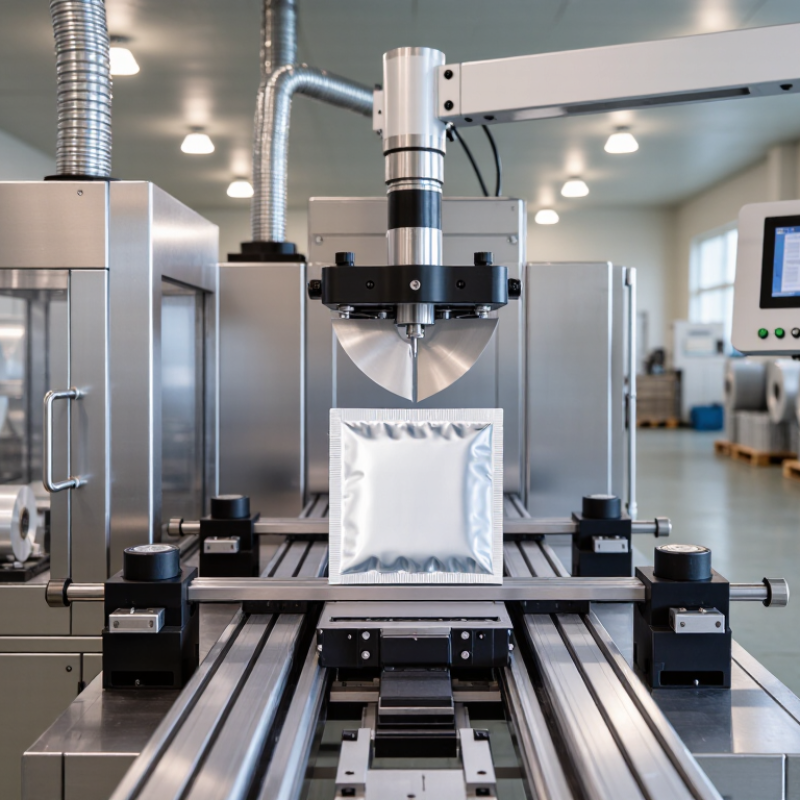
| High-volume battery equipment manufacturers | East Asia, Europe, and North America | Mass production | Approximately 20–60 cells per minute, depending on cell size and process configuration | Standard and large-format pouch cells; customized tooling is commonly required | Approximately ±0.10–0.30 mm under controlled conditions | Fully automatic loading, positioning, trimming, scrap collection, and discharge | Machine acceptance testing, electrical safety documentation, pneumatic diagrams, spare-parts lists, and process validation records | Automotive, energy-storage, and high-volume cell manufacturers |
| Specialized pouch-cell trimming equipment suppliers | China, South Korea, Japan, Germany, Italy, and other industrial manufacturing centers | Low- to medium-volume production | Approximately 8–30 cells per minute | Small and medium pouch cells with dedicated fixtures | Approximately ±0.20–0.50 mm | Semi-automatic or automatic operation with recipe management and safety interlocks | Dimensional inspection records, tooling drawings, operating manuals, risk assessment, and operator training materials | Consumer electronics, medical-device, and specialty battery producers |
| Custom automation integrators | North America, Europe, Southeast Asia, and Australia | New production lines and customized projects | Approximately 5–25 cells per minute, depending on upstream and downstream integration | Non-standard cell dimensions, multiple cell sizes, and customer-specific pouch designs | Approximately ±0.20–0.50 mm after process tuning | Integrated conveyors, machine vision, traceability, reject handling, and factory-network communication | Factory acceptance testing, site acceptance testing, interface specifications, software backups, and change-control records | Battery manufacturers requiring line integration or unusual cell geometries |
| Pilot-line and laboratory equipment suppliers | Europe, North America, Japan, South Korea, and China | Research, prototyping, and process development | Approximately 1–10 cells per minute | Small pouch cells and development samples; quick-change tooling is often available | Approximately ±0.30–1.00 mm, depending on manual handling and fixture design | Manual or semi-automatic loading with adjustable cutting parameters | Basic operating instructions, laboratory safety guidance, tooling specifications, and sample-process documentation | Universities, research institutes, start-ups, and pilot production teams |
| Modular equipment builders | Worldwide, with strong availability in established machinery markets | Production expansion and line upgrades | Approximately 10–40 cells per minute | Common pouch-cell sizes supported through interchangeable fixtures | Approximately ±0.20–0.50 mm | Standalone trimming module with optional conveyors, sensors, and inspection units | Module interface drawings, utility requirements, maintenance schedules, spare tooling, and installation procedures | Factories adding trimming capacity to an existing pouch-cell line |
| Turnkey battery-line suppliers | Asia, Europe, and North America | Greenfield manufacturing projects | Approximately 15–50 cells per minute as part of a coordinated line | Cell formats defined during the line-engineering stage | Approximately ±0.10–0.50 mm, subject to pouch material, sealing quality, and fixture design | Fully automatic line control with material tracking and production-data collection | Overall equipment effectiveness targets, line-layout drawings, validation protocols, training, commissioning, and after-sales support | New battery plants seeking a single project-management and integration partner |
| Refurbishment and retrofit specialists | Europe, North America, China, India, and Southeast Asia | Existing-line modernization | Approximately 5–25 cells per minute, depending on the original line architecture | Existing cell formats with replacement or redesigned fixtures | Approximately ±0.30–0.80 mm after retrofit validation | Controls upgrades, sensor replacement, safety improvements, and optional automatic scrap removal | As-built documentation, retrofit risk assessment, software change records, test reports, and maintenance instructions | Manufacturers seeking lower capital expenditure and improved legacy-line performance |