What Is a Noise Meter and How Does It Work?
The Main Components and Functions of a Noise Meter
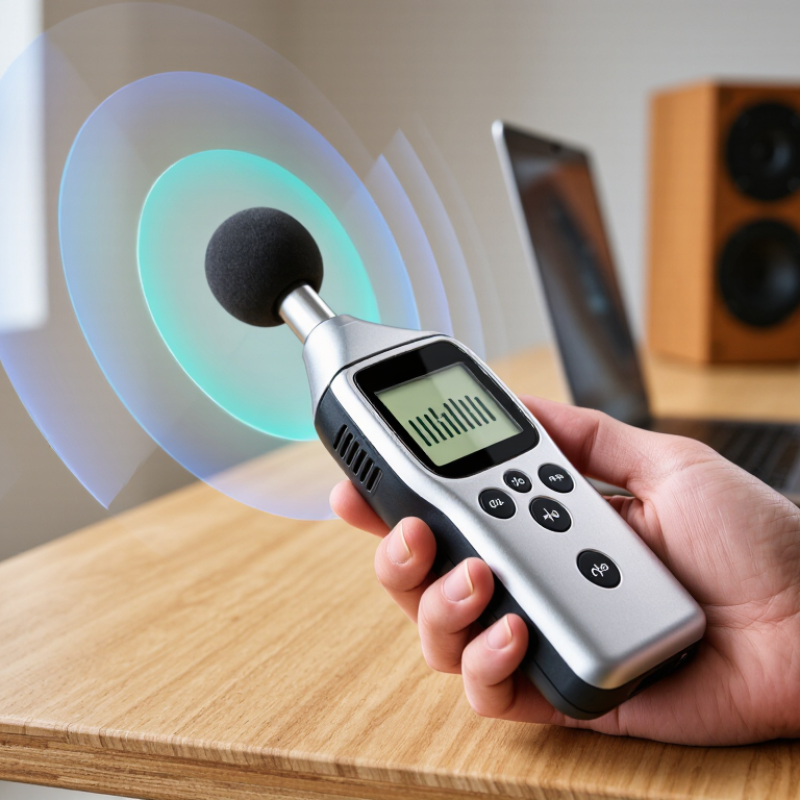
A noise meter converts air-pressure changes into readable sound levels. Its microphone detects vibrations, while a preamplifier strengthens the tiny electrical signal. The meter then calculates sound pressure in decibels, usually shown as dB or dB(A). A-weighting filters approximate human hearing sensitivity. C-weighting captures more low-frequency energy, which matters near engines and heavy machinery.
The display shows the current level, while the detector may record maximum, minimum, or time-weighted values. Many professional instruments also include data storage, adjustable response speeds, and an external calibration function. Fast response follows sudden changes. Slow response produces a steadier reading. That difference is easy to overlook.
A practical measurement begins with calibration before and after testing. The microphone should face the sound source, away from reflective surfaces when possible. NIOSH’s Criteria for a Recommended Standard identifies 85 dBA over eight hours as a recommended exposure limit, using a 3 dB exchange rate. OSHA’s occupational noise standard uses a 90 dBA eight-hour permissible exposure limit and a 5 dB exchange rate. These different methods can produce different compliance results.
A noise meter does not explain the source. It only measures sound at a location and time. Background noise, wind, handling, and room reflections can distort readings. WHO’s Environmental Noise Guidelines for the European Region links long-term environmental noise with sleep disturbance and cardiovascular risks. Still, one reading is not a diagnosis. That assumption needs questioning.