Why Choose Reflective Workwear for Enhanced Safety?
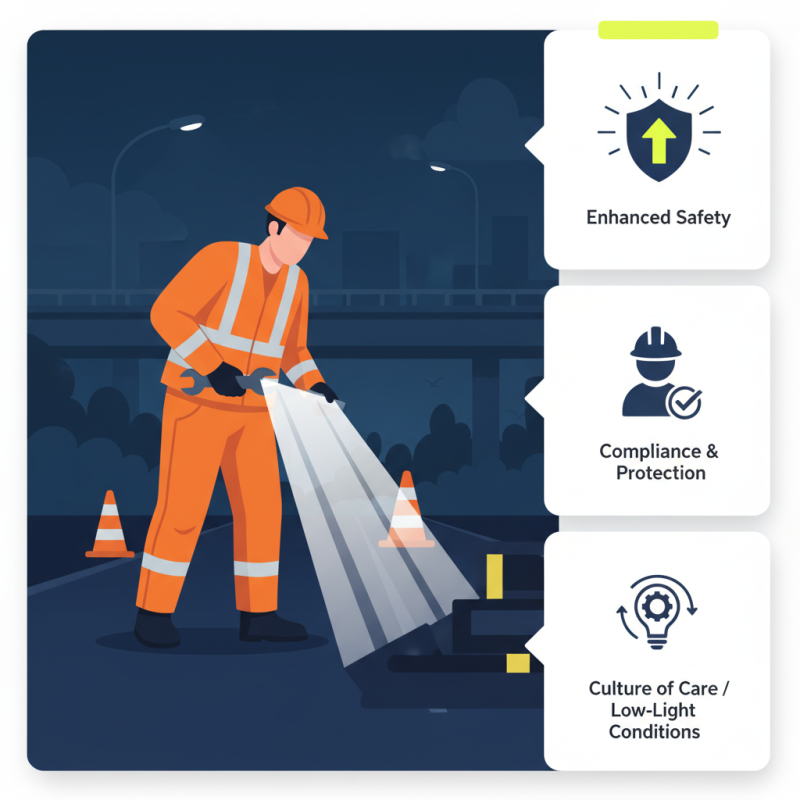
reflective workwear plays a crucial role in enhancing safety for workers in various environments. This type of clothing is designed to catch the light, making workers visible. Whether on a construction site or a road maintenance crew, visibility can save lives. Imagine a worker repairing a road at night. Without high-visibility gear, they are vulnerable.
In many cases, safety standards require reflective workwear. Yet, not all employers prioritize this need. Some may overlook the importance of investing in quality gear. The consequences can be dire. Injuries occur, leading to costly repercussions. Reflective workwear is not just about compliance; it’s about protecting lives.
It is worth reflecting on past accidents to understand the impact of visibility. Consider instances where better visibility could have changed outcomes. The choice to wear reflective workwear is not trivial. It can be a decisive factor during low-light conditions. When we prioritize safety through proper gear, we promote a culture of care in the workplace.
Benefits of Reflective Workwear in Enhancing Visibility
Reflective workwear plays a crucial role in enhancing visibility, especially in low-light conditions. These garments are designed with reflective materials that catch light and make workers stand out. When worn in environments like construction sites or roadside work, they significantly reduce the risk of accidents.
Visibility is key for safety. Workers in reflective clothing are seen from greater distances. This is vital where heavy machinery operates. A driver can spot a reflective vest or jacket ahead. This gives more time to react, potentially saving lives. Yet, even with such advanced clothing, overconfidence can be dangerous. Some workers may feel invincible and neglect other safety precautions.
The comfort of reflective workwear is also important. Ill-fitting clothes can hinder movement or create distractions. A worker adjusting their clothing might not notice approaching hazards. Additionally, the effectiveness of reflectivity can wear off over time. Regular checks and maintenance ensure that these garments continue to provide the necessary visibility. Balancing comfort, fit, and functionality is essential for optimal safety on the job.
Benefits of Reflective Workwear in Enhancing Visibility
Key Features of Effective Reflective Materials
Reflective workwear plays a crucial role in enhancing safety, especially in low-light conditions. Effective reflective materials can significantly reduce the risk of accidents. According to a report by the National Safety Council, wearing reflective apparel can improve visibility by up to 500%. This statistic underscores the importance of choosing the right materials.
Key features of effective reflective materials include high retro-reflectivity and durability. Retro-reflective materials are designed to reflect light back to its source. This property allows wearers to be seen from a distance, even in the dark. However, not all reflective materials are created equal. It's essential to consider how they perform in various environments. For example, some materials lose their reflectivity after exposure to harsh weather conditions.
In terms of durability, the right reflective material should withstand daily wear and tear. A study by the American Journal of Industrial Medicine indicated that workers exposed to reflective vests for long hours showed signs of degradation in material. This reflection points to the need for regular inspections and replacements. Wearing damaged or faded reflective gear can undermine safety. Therefore, understanding the characteristics of reflective materials is vital for maintaining workplace safety.
Industries Where Reflective Workwear is Essential
Reflective workwear plays a crucial role in various industries, enhancing safety in hazardous environments. In construction sites, workers often navigate heavy machinery and moving vehicles. Bright reflective materials ensure visibility, even in low light. This visibility can mean the difference between life and death.
In road maintenance, workers are frequently exposed to passing traffic. Wearing reflective gear allows them to stand out against dull asphalt and offers better protection. Emergency responders also benefit significantly. When responding to accidents, their safety relies on being seen quickly by oncoming drivers. Yet, despite these benefits, some workers neglect to wear appropriate reflective gear. This choice can lead to dire consequences, reminding us that visibility is non-negotiable.
Transportation and logistics industries see high pedestrian and vehicle traffic. Workers loading and unloading goods must be easily identifiable. Reflective workwear can help drivers and forklifts spot them from afar. Sadly, not everyone follows safety guidelines. Some may feel it’s unnecessary. This oversight poses risks and highlights the need for consistent safety training and awareness.
Life-Saving Impact of Reflective Clothing in Hazardous Environments
Reflective clothing plays a crucial role in maintaining safety in hazardous environments. When workers wear reflective gear, they become more visible, especially in low-light conditions. This visibility significantly reduces the risk of accidents. For example, construction sites often have heavy machinery moving around. Without proper reflective workwear, a worker might blend into the surroundings, increasing the chance of injury.
Consider a busy roadway where maintenance is taking place. Workers in reflective vests can easily be spotted by drivers. This small detail could be life-saving. However, not all reflective clothing is created equal. Some may fade or lack proper material for maximum visibility. It’s essential to choose high-quality gear that can withstand challenging conditions. Choosing the right reflective wear is not just about compliance; it’s about protecting lives.
The effectiveness of reflective clothing also relies on how it is worn. It should cover most of the body and fit well. Loose garments may bunch up, leading to reduced visibility. Reflective strips can be missed if they are not strategically placed. Continuous evaluation and adjustment of safety gear are vital for effective protection. Investing in reflective workwear is a decision that can have lasting impacts, sometimes even life or death.
Maintenance and Care for Reflective Workwear for Longevity
Reflective workwear is essential for safety, especially in low-visibility environments. However, maintaining this gear is often overlooked. Regular care can significantly extend the life of these garments. According to industry reports, properly maintained reflective clothing can last up to 20% longer than neglected options.
Cleaning reflective workwear is not just about appearance. Dirt or damage can reduce its visibility. Experts recommend washing reflective garments every few weeks, depending on the work conditions. Machine washing on a gentle cycle is usually sufficient. Avoid bleach and fabric softener; they can degrade reflective materials.
Storage also plays a critical role in longevity. Hanging reflective gear in a dry place prevents wrinkles and preserves the reflective material's effectiveness. Avoid folding or cramming these garments into tight spaces. Over time, improper storage can lead to permanent damage. Regular checks for frays or fading can ensure ongoing compliance with safety standards.
Why Choose Reflective Workwear for Enhanced Safety? - Maintenance and Care for Reflective Workwear for Longevity
| Aspect | Details |
| Visibility | Enhanced visibility in low-light conditions with reflective materials enhancing safety. |
| Durability | Designed to withstand harsh environments, providing long-lasting use. |
| Comfort | Constructed with breathable materials to enhance comfort during long hours of wear. |
| Maintenance | Regular washing with mild detergent and avoiding fabric softeners to maintain reflectivity. |
| Safety Standards | Adherence to safety standards and regulations to ensure maximum protection in the workplace. |
| Cost-effectiveness | Investment in quality reflective workwear can reduce accidents and related costs in the long run. |