How to Safely Ship Li Ion Batteries for Maximum Protection?
Shipping Li Ion batteries can be complex. The risks involved demand careful consideration. These batteries power many devices, from smartphones to electric cars. However, improper handling can lead to accidents, including fires. Thus, ensuring maximum protection when shipping is crucial.
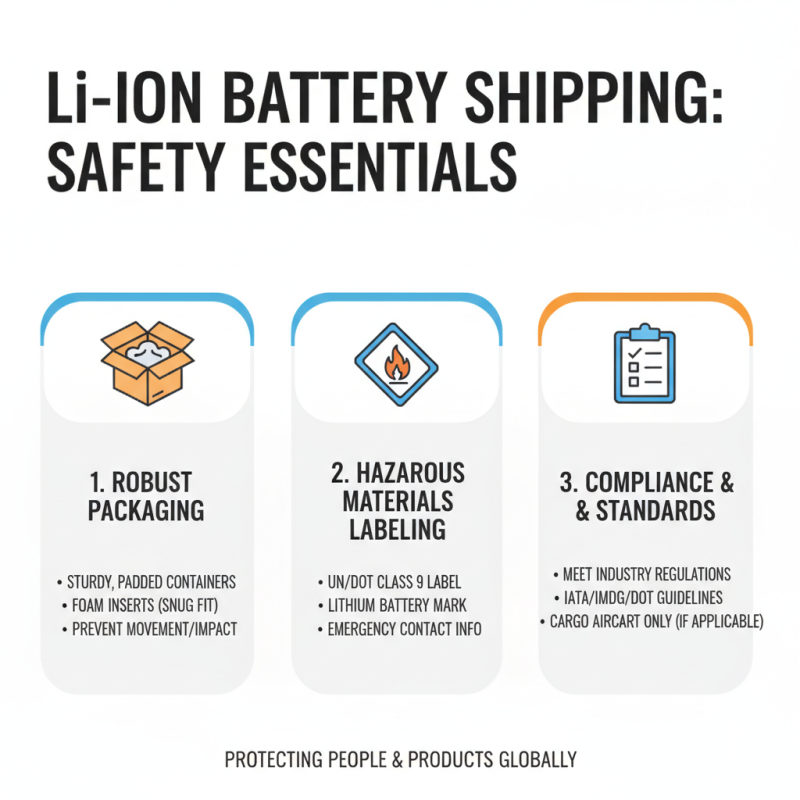
Safely shipping Li Ion batteries requires knowledge. Packaging is vital. Batteries must be isolated to prevent contact with other items. It is essential to cushion them well to avoid any movement. Additionally, using certified containers designed for these batteries is a best practice. The label and documentation should clearly indicate the contents. This helps transport personnel understand the risks involved.
Mistakes can happen. Adequate training for those involved in shipping is critical. Often, people overlook the importance of safety measures. Overconfidence can lead to dangerous situations. Reflection on past incidents can help improve practices. Always prioritize safety when dealing with shipping Li Ion batteries.

Understanding Lithium-Ion Batteries: Characteristics and Risks
Lithium-ion batteries are widely used in consumer electronics and electric vehicles. They offer high energy density and low self-discharge rates. However, these batteries come with inherent risks. Research indicates that nearly 30% of battery incidents occur during shipping. A study from the National Fire Protection Association highlights that improperly packaged batteries can lead to fires and explosions.
The main risk arises from thermal runaway. This happens when a battery cell starts to overheat. A small defect can turn into a significant issue. An estimated 5% of Li-ion batteries experience this failure mechanism, which can propagate to adjacent cells. This can cause entire packs to ignite. Precautionary measures during shipping are crucial. Data shows that using appropriate packaging reduces the risk of damage-related incidents by up to 80%.
Transport regulations emphasize the importance of protective measures. Batteries must be stored at controlled temperatures. A study by the International Electrotechnical Commission advises using insulating materials to mitigate heat build-up. Many shippers overlook this in their process. It's essential to prioritize safety practices to avoid potential hazards during transit.
Understanding the Risks of Lithium-Ion Batteries During Shipping
Regulatory Guidelines for Shipping Lithium-Ion Batteries Safely
Shipping lithium-ion batteries requires careful attention to safety regulations. Many countries have specific guidelines to ensure safe transport. Packaging is crucial. Use strong outer boxes and secure cushioning material. Batteries should be placed in a way that prevents movement. Check for puncture risks.
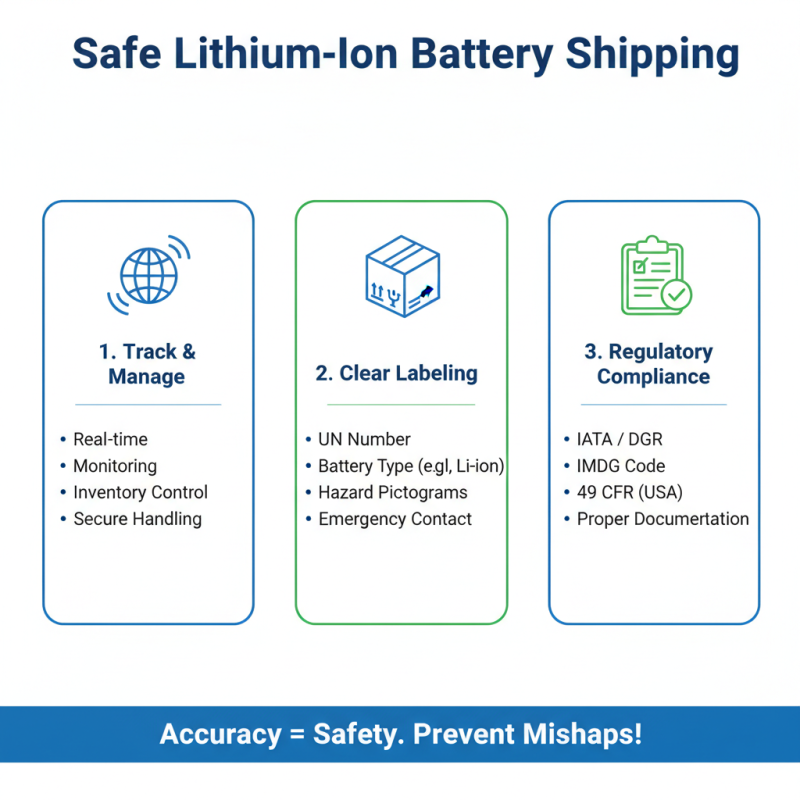
Labeling is another key aspect. Packages containing lithium-ion batteries need clear hazard labels. These labels ensure handlers recognize the potential risks. Additionally, the documentation must be accurate. Some shipping routes may have restrictions. Always verify if local regulations apply.
Batteries must be charged to a safe level before shipment. Inconsistencies can lead to unexpected reactions. Sometimes, shippers overlook this detail. This oversight can result in dangerous situations. Training staff is essential in this area. Constant updates on regulations can help mitigate risks and improve safety.
How to Safely Ship Li Ion Batteries for Maximum Protection? - Regulatory Guidelines for Shipping Lithium-Ion Batteries Safely
| Regulation |
Description |
Packaging Requirements |
Labeling |
Transport Mode |
| IATA DGR |
Guidelines for the safe transport of lithium batteries by air. |
Must be contained in strong outer packaging, and terminals protected. |
UN3480 or UN3481 labels required, depending on the type. |
Air |
| IMDG Code |
Regulations for shipping lithium batteries by sea. |
Use UN specification packaging with adequate cushioning. |
UN3480/UN3481 labels along with necessary hazard labels. |
Sea |
| 49 CFR |
US regulations for transportation of hazardous materials. |
Packaged in accordance with packaging instructions. |
Required labeling and documentation for transport. |
Land |
| ICAO TI |
International regulations for air transport of dangerous goods. |
Must adhere to specific packaging and protection standards. |
Proper labeling, including handling instruction labels. |
Air |
Preparing Batteries for Shipment: Packaging and Labeling Best Practices
When preparing lithium-ion batteries for shipment, packaging and labeling are critical. Use sturdy, padded containers to protect the batteries from impact and puncture. Avoid loose packing materials; instead, choose foam inserts that snugly fit the shape of the batteries. This detail helps prevent movement during transit, which could cause damage. Check your packaging to ensure it meets industry standards for hazardous materials.
Labeling is equally essential. Clearly mark the package as containing lithium-ion batteries. Use appropriate symbols and handling instructions on the outer box. This helps handlers understand the potential risks and encourages careful handling. A common mistake is forgetting to include a safety warning.
It’s vital to double-check all details. Missing a label could delay shipping or lead to fines. Yet, it’s easy to overlook such small details in a rush. Consider adding a checklist for packaging and labeling. This ensures that every step is followed. Taking time to prepare can prevent accidents and ensure safe delivery.
Choosing the Right Carrier for Shipping Lithium-Ion Batteries
Shipping lithium-ion batteries requires caution and the right carrier choice. According to the International Air Transport Association (IATA), about 30 incidents related to lithium battery shipments occurred in 2020 alone. Selecting a carrier familiar with these regulations is crucial to ensure safety. Look for carriers that specifically state their capability to handle lithium batteries, as they understand the packaging and labeling requirements necessary for compliance.
Tips: Always ask about the carrier’s experience with lithium shipments. Ensure they comply with UN regulations. Not all carriers are equal. Some may focus on speed, while safety should always come first.
Many companies overlook proper documentation. A misplaced sticker can result in delays. A recent report from the Dangerous Goods Advisory Council shows that nearly 10% of lithium battery shipments fail to meet guidelines. This is a significant risk that can cost more than just fines. Choosing a carrier who prioritizes safety reduces these risks.
Tips: Inspect your packaging before shipping. Double-check labels and documents. Use resources offered by regulators to verify compliance. Don’t assume everything is in order; a proactive approach is essential.