How to Safely Ship Lifepo4 Batteries for Maximum Efficiency and Compliance
When it comes to the efficient and compliant transportation of lifepo4 batteries, understanding the nuances of shipping lifepo4 batteries is crucial for both individuals and businesses alike. This type of battery, known for its safety and longevity, has gained popularity in various applications, ranging from electric vehicles to renewable energy storage systems. However, the handling and shipping of these batteries are subject to strict regulations due to their chemical composition and potential hazards.
In this comprehensive guide, we will explore the best practices for safely shipping lifepo4 batteries while ensuring maximum efficiency and adherence to relevant regulations. We will discuss key considerations, such as proper packaging, labeling, and documentation requirements that are essential for compliant transportation. By following these guidelines, shippers can minimize risks and ensure that lifepo4 batteries reach their destinations safely and securely, thereby supporting sustainable energy solutions worldwide.
Understanding Lifepo4 Battery Composition and Shipping Regulations
Lithium iron phosphate (LiFePO4) batteries have gained substantial traction in various applications due to their excellent thermal stability and safety characteristics. Understanding the composition of these batteries is crucial when it comes to shipping and compliance with regulatory standards. LiFePO4 batteries comprise a cathode made of lithium iron phosphate, which is both environmentally friendly and less prone to thermal runaway compared to other lithium-ion chemistries. This unique composition not only enhances safety but also contributes to the battery's longevity and efficiency.
When shipping LiFePO4 batteries, compliance with international shipping regulations is essential to ensure safety and efficiency. Organizations such as the International Air Transport Association (IATA) and the United Nations (UN) have established guidelines for shipping lithium batteries. For instance, according to the IATA Dangerous Goods Regulations, LiFePO4 batteries are classified as non-dangerous goods if they meet specific criteria, such as having a capacity below 300 Wh per cell. Additionally, packaging must conform to UN recommendations, including the use of sturdy, non-conductive materials to minimize risks during transit. Proper labeling and documentation are also essential to communicate the battery's specifications and compliance status, thereby streamlining the shipping process while adhering to safety standards.
By understanding the composition of LiFePO4 batteries and the pertinent shipping regulations, companies can ensure maximum efficiency in logistics while complying with safety norms. Navigating these regulations effectively reduces the risk of accidents and ensures that shipments reach their destination safely and legally, further solidifying the reliability of LiFePO4 technology in the marketplace.
Key Guidelines for Packaging Lifepo4 Batteries to Prevent Damage
When it comes to packaging Lifepo4 batteries for shipping, ensuring their safety and compliance is crucial. Proper packaging not only minimizes the risk of damage during transit but also adheres to regulatory standards governing battery transport.
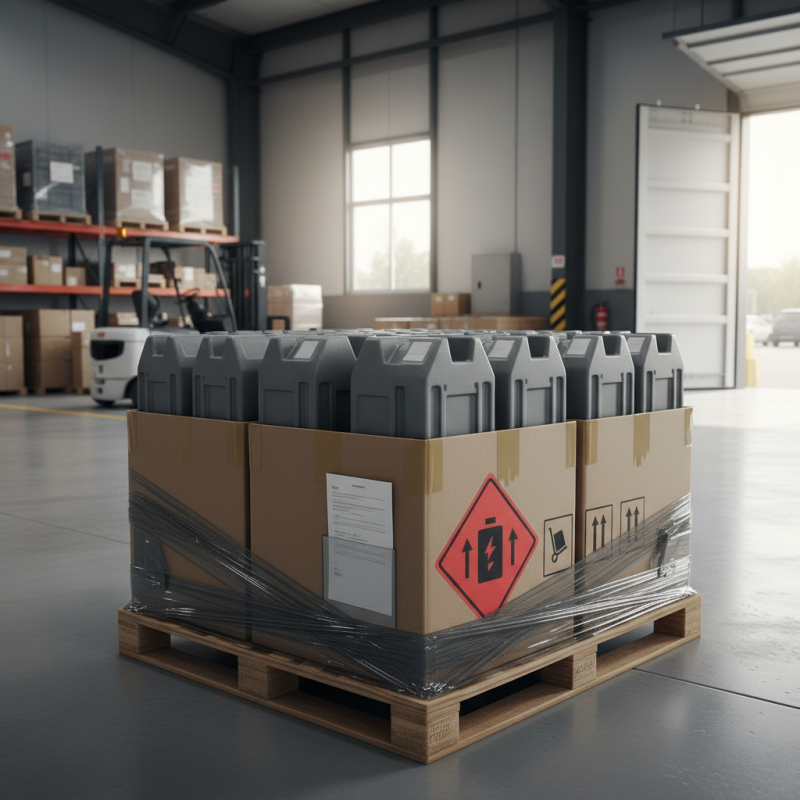
A sturdy, anti-static container tailored to the dimensions of the batteries is essential. Consider using cushioned materials such as foam or bubble wrap to prevent movement within the package, mitigating impact during handling.
Tips for effective packaging include labeling the package clearly to indicate that it contains lithium batteries. This not only ensures proper handling but also informs carriers and emergency responders if an incident occurs.
Additionally, avoid overpacking as it can lead to undue pressure on the batteries, increasing the risk of leakage or rupture.
Another important aspect is to regulate temperature conditions during shipping.
Extreme temperatures can affect battery performance and safety. Utilize insulated boxes if necessary and monitor temperatures in environments known for fluctuating conditions.
Implementing these practices not only enhances safety but also boosts the overall efficiency of the shipping process.
Choosing the Right Shipping Method: Air vs. Ground for Lifepo4
When it comes to shipping LiFePO4 batteries, the choice between air and ground transport can significantly impact delivery efficiency and regulatory compliance. According to the United Nations Regulations on the Transport of Dangerous Goods, LiFePO4 batteries are considered Class 9 hazardous materials. This classification mandates specific packaging and labeling requirements, which differ depending on the chosen shipping method.
Air shipping is often faster, making it appealing for urgent needs. However, it comes with strict regulations, including the IATA (International Air Transport Association) guidelines, which require batteries to be packed in sturdy, non-conductive packaging. In contrast, ground shipping typically has less stringent regulations and could be more economical for larger shipments. Although it may take longer, ground transport allows for larger quantities to be shipped without extensive paperwork, as long as the batteries are properly packed according to DOT guidelines.
Tips: When shipping via air, ensure that all packaging is compliant with IATA regulations, and use online calculators provided by logistics companies to estimate potential shipping costs and times effectively. For ground shipping, opt for reputable carriers familiar with hazardous materials, and confirm that the batteries have been correctly classified and labeled to avoid potential fines or delays.
Compliance with International Regulations for Hazardous Materials Shipping
The shipping of lithium iron phosphate (LiFePO4) batteries is subject to stringent international regulations due to their classification as hazardous materials. The
International Air Transport Association (IATA) and the United Nations have established comprehensive guidelines to ensure safety during transport. According to the IATA's
Dangerous Goods Regulations, LiFePO4 batteries must be packaged appropriately, labeling as "lithium-ion batteries" is required, accompanied by specific documentation that details
the quantity and type of the batteries being shipped.
Adhering to these regulations is crucial for ensuring not only compliance but also the safety of all involved in the shipping process. For instance, recent reports
indicate that non-compliance can lead to significant penalties and potential shipping bans. The United Nations’ Manual of Tests and Criteria states that
lithium batteries must pass rigorous testing standards to demonstrate they can withstand conditions encountered during shipping, such as impacts, temperature fluctuations, and pressure changes.
According to a report from the Battery Safety Initiative, improper handling and transport of lithium batteries account for nearly
20% of all hazardous material incidents globally, underscoring the importance of strict adherence to safety protocols.
Furthermore, carriers must be informed of lithium battery shipments in advance, providing them the opportunity to prepare for potential risks. By complying with international regulations and prioritizing safety,
businesses can mitigate risks and ensure the efficient transportation of LiFePO4 batteries.
Best Practices for Labeling and Documentation of Lifepo4 Shipments
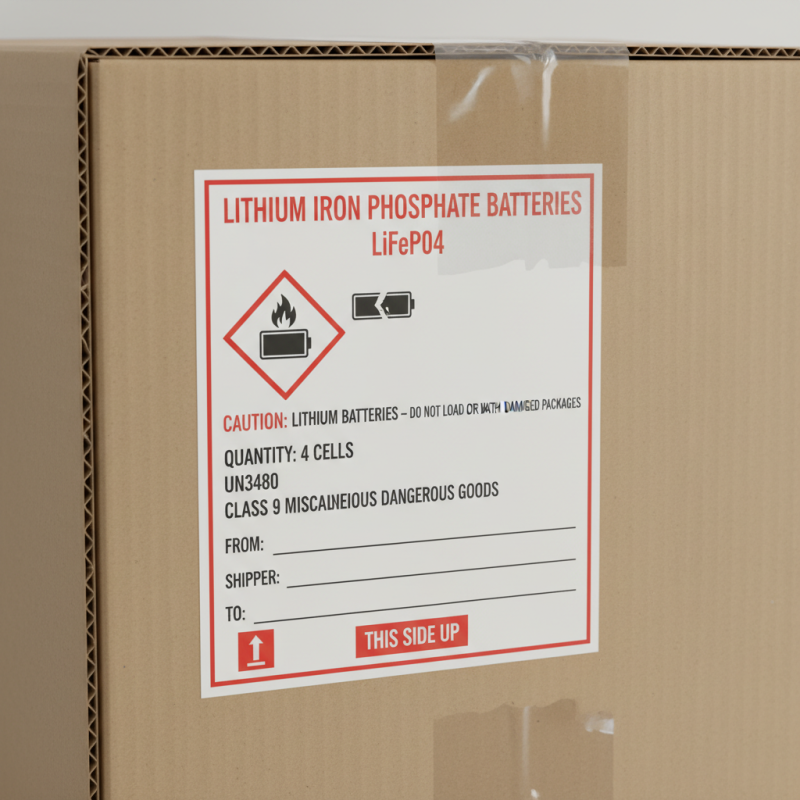
When shipping LiFePO4 batteries, proper labeling and documentation play a crucial role in ensuring safety and compliance with regulations. Labeling should clearly indicate the contents, including the type of battery, quantity, and any pertinent safety warnings. It is essential to use standardized hazard symbols, such as the lithium battery handling icon, to alert handlers to the specific risks associated with these batteries. Additionally, accurate descriptions on shipping documents must match the labels to prevent misunderstandings during transit or handling.
Documentation should include a detailed declaration of the battery's specifications, including voltage, capacity, and weight. This information is vital for transportation carriers, as they must assess the risks related to the shipment. Any necessary certifications or compliance statements should accompany the shipment to comply with local and international regulations. Proper documentation not only facilitates smoother shipping processes but also minimizes the risk of delays or fines associated with regulatory breaches. Following these best practices ensures that LiFePO4 batteries are shipped efficiently and safely, protecting both the product and all individuals involved in the transport process.