How to Ship FedEx Lithium Batteries Safely and Properly?
Shipping FedEx lithium batteries requires careful attention to safety protocols. These batteries power many devices, making them essential in today’s tech-driven world. However, they can pose risks if not handled properly.
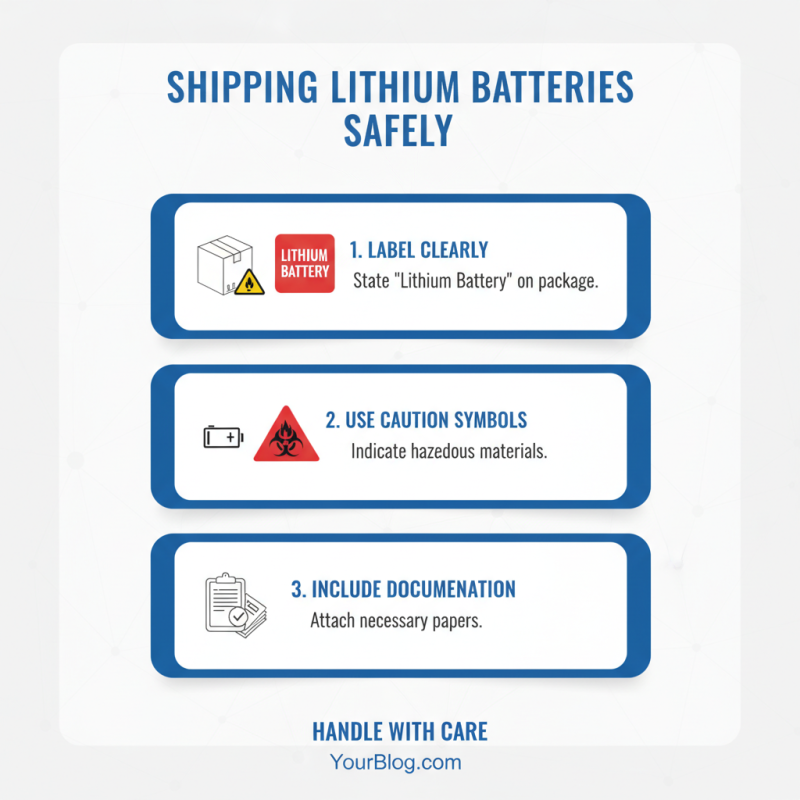
When mailing FedEx lithium batteries, it's crucial to package them securely. Use strong materials to prevent damage during transport. Ensure the terminals are protected to avoid short circuits. Label your package clearly to inform couriers about its contents.
Many shippers overlook these details, leading to potential hazards. Understanding the regulations around FedEx lithium battery shipments is vital. Shipping can be complex, and mistakes can have serious consequences. Taking time to learn proper procedures can enhance safety and reliability.
Understanding FedEx Regulations for Shipping Lithium Batteries
Shipping lithium batteries requires careful understanding of regulations. Proper packaging is essential to ensure safety. Batteries must not be damaged or defective. Using the correct box size can prevent movement during transportation.
Tips: Always use cushioning material. This helps absorb shocks. Include warning labels to inform handlers about battery contents. Ensure the outer labeling meets guidelines.
Understanding weight limits is crucial too. Overloaded packages can lead to issues. Check the maximum weight for your specific shipment type. Logs and records may help track compliance.
Tips: Keep documents organized for easy access. Regularly review regulations for updates. Adapting to changes is necessary for safe shipping. This process can feel overwhelming at times. It's essential to stay informed.
Preparing Lithium Batteries for Safe Shipping
Shipping lithium batteries requires careful preparation to ensure safety. Industry data shows that improper handling can lead to severe hazards. According to the Federal Aviation Administration, there were over 200 incidents related to battery fires in transport in recent years. This statistic highlights the importance of proper packaging and labeling.
When preparing lithium batteries for transport, make sure to discharge them below 30% of capacity. This decreases the risk of fire during transit. Use flame-retardant packaging and avoid visible damage on the outer casing. It's essential to place batteries in individual protective enclosures to prevent short circuits. Rubber caps can serve as an effective barrier against accidental connection.
Label the package clearly, indicating it contains lithium batteries. Despite clear labeling, human error is prevalent. Mistakes can occur during the shipping process, leading to potential accidents. Ensuring compliance with all regulations remains crucial. Always review guidelines from industry authorities. A single lapse in procedure can have serious consequences, emphasizing the need for diligent preparation.
Shipping Compliance for Lithium Batteries
Packaging Requirements for Lithium Battery Shipments
Shipping lithium batteries requires careful attention to packaging. Proper packaging prevents short circuits, damage, and potential hazards. Use sturdy boxes designed for shipping. Each battery must be secured and cushioned to avoid movement during transit. Flammable materials should never be used as packing materials.
Mark your packages clearly. Labels should indicate the contents are lithium batteries. If you are shipping multiple batteries, ensure they are in individual cells or packed in a way that prevents contact. Battery terminals should be insulated. This is critical to avoid any unintentional connections, which could lead to accidents.
Some shippers overlook the weight limits of packages. Too heavy a box can compromise safety. Always check the recommended weight limits for lithium battery shipments. Also, keep in mind that regulations may change, which can confuse new shippers. Stay informed about the latest guidance to ensure safe deliveries.
Common Mistakes to Avoid When Shipping Lithium Batteries
Shipping lithium batteries can be complex. Common mistakes can lead to delays and hazards. One notable issue is inadequate labeling. According to industry reports, improper labeling accounts for 30% of shipping errors. Clear, accurate labels are essential for safe transport. Missing information can lead to confiscation or fines.
Another mistake is overpacking. While it may seem protective, overcrowding can cause pressure and heat buildup. Research indicates that nearly 20% of battery incidents stem from overheating during transit. Space is crucial. Use appropriate cushioning materials to prevent movement.
Misunderstanding regulations is critical. Regulations change frequently. Many shippers are unaware of specific requirements for lithium batteries, increasing risks. Only 15% of businesses stay up-to-date. Regular training and updates are vital. Ensure everyone involved understands compliance. Avoiding these pitfalls can lead to smoother shipping processes.