What is the Process for Shipping a Lithium Battery Safely?
Shipping a lithium battery involves careful attention to safety and regulations. Understanding the process is crucial for anyone looking to transport these items. Lithium batteries are widely used in various devices, from smartphones to electric vehicles. However, they can be hazardous if not handled properly.
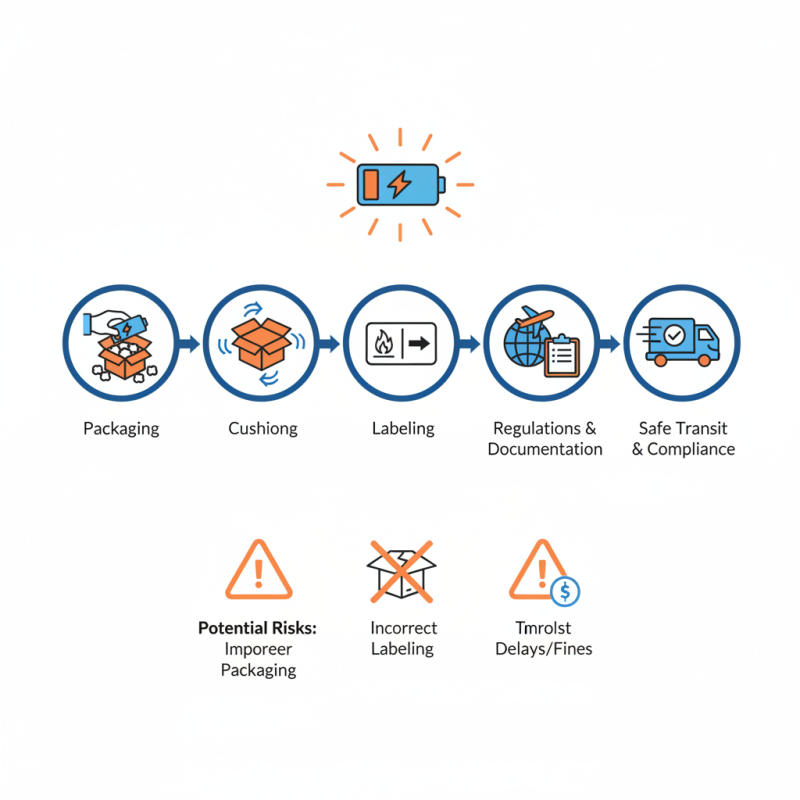
When shipping a lithium battery, you must adhere to specific guidelines. Packaging is essential; using the right materials can prevent accidents. Many people overlook this vital step, leading to potential risks. Batteries should be cushioned to avoid movement during transit. Proper labeling is also important; it informs carriers of the contents' nature.
Mistakes can happen, even in simple shipments. It's easy to assume all procedures are clear-cut. However, each battery type may have different requirements. Failing to check these can result in delays or fines. Therefore, understanding the intricacies of shipping a lithium battery is essential for safety and compliance.
Understanding Lithium Battery Regulations and Guidelines
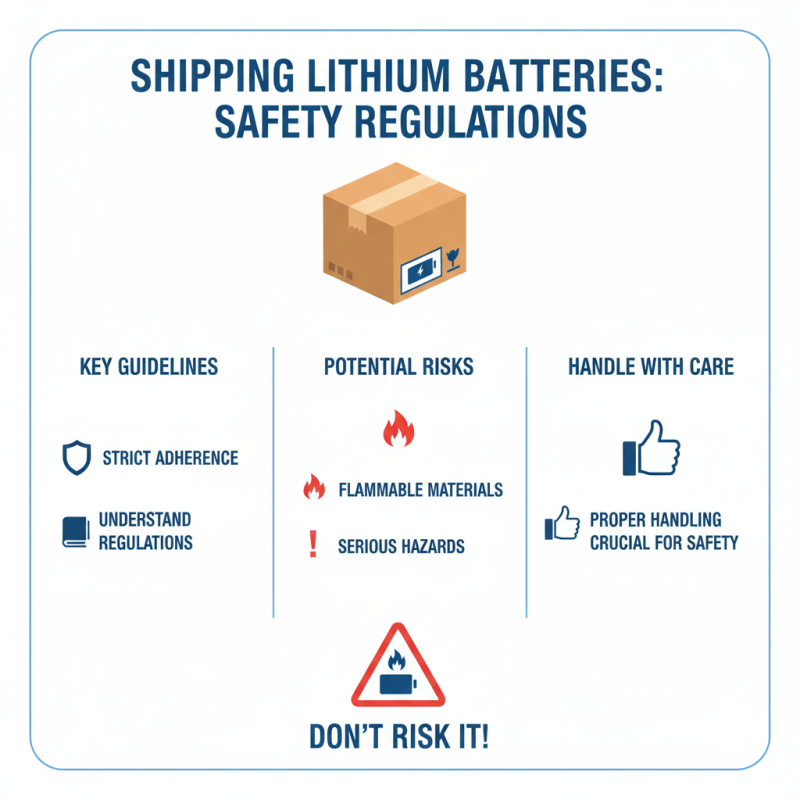
Shipping lithium batteries requires strict adherence to safety regulations. Understanding these guidelines is crucial for anyone involved in the process. Lithium batteries contain flammable materials. If mishandled, they can pose serious risks.
When preparing batteries for shipping, check the battery’s state of charge. It should be below 30%. This safety measure helps reduce the risk of thermal runaway during transport. Always use appropriate packaging, such as UN-rated boxes, that can withstand impacts. Do not use damaged or dented boxes. Label packages correctly to indicate they contain lithium batteries.
Tips: Make sure to use cushioning materials to prevent movement. This adds extra protection. Also, double-check your local regulations. Different regions may have specific rules. Ensure all documentation is in order. Track shipments closely. This way, you will be alerted to any issues promptly. Take time to educate yourself on these requirements. Shipping can be complex. Mistakes can lead to significant consequences.
Classifying Lithium Batteries for Safe Shipping
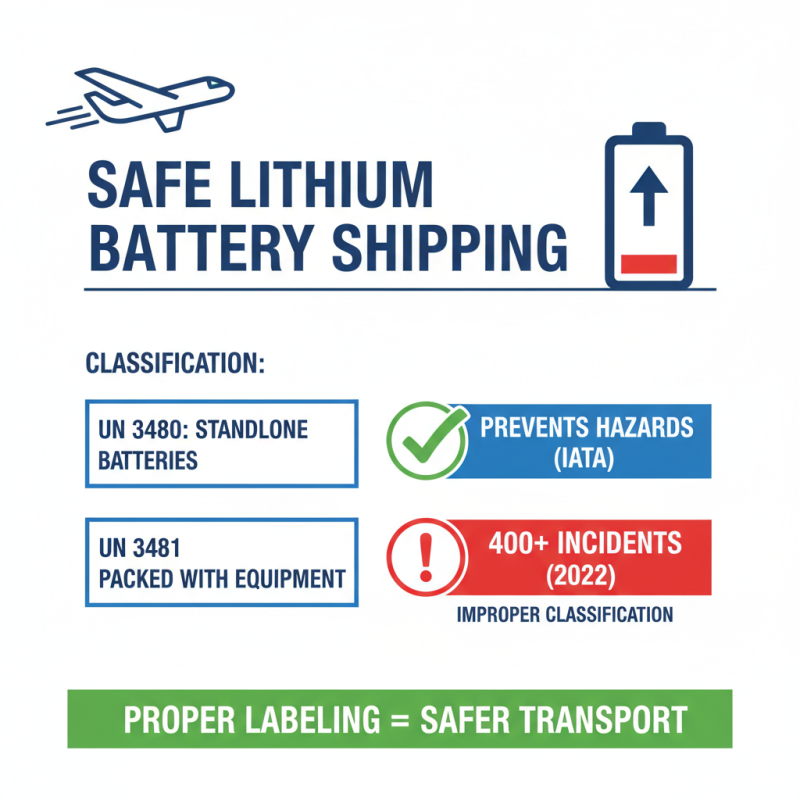
When shipping lithium batteries, correct classification is crucial. Lithium batteries are classified under UN 3480 and UN 3481. UN 3480 applies to standalone batteries, while UN 3481 pertains to those packed with equipment. According to the International Air Transport Association (IATA), these classifications help prevent hazardous incidents during transport. In 2022, it was noted that improperly classified shipments led to over 400 reported incidents globally. Proper labeling can mitigate such risks.
Tips for classification include checking battery watt-hour ratings. For lithium-ion batteries, those exceeding 100 watt-hours are considered more hazardous. Ensure that your packaging meets the required standards. The packaging should be marked correctly to avoid penalties. Using non-conductive materials can help prevent short circuits.
Shipping lithium batteries isn't just about following rules. The process demands attention to detail. Re-evaluate your shipping practices regularly. Neglecting even small details could lead to significant consequences. In a fast-moving industry, it’s easy to rush and make mistakes. Staying informed about regulations can save time and resources in the long run.
Preparing Lithium Batteries for Transportation
When preparing lithium batteries for transportation, safety is paramount. Begin by checking the battery's condition. Look for any physical damage or swelling. A damaged battery can pose serious risks during transit. It's essential to keep the batteries at room temperature to avoid any chemical reactions.
Next, use appropriate packaging. Each battery should be placed in a protective case or container. This helps prevent short circuits and damage. Use anti-static materials if available. Label the package clearly with hazard warnings. This ensures handlers are aware of the contents inside.
Always include instructions for emergency responders. Having a safety data sheet on hand can be helpful too. Be mindful of weight restrictions if shipping multiple batteries. Each carrier has specific guidelines. Double-check everything before sealing the package. Mistakes in preparation can lead to delays or accidents.
Lithium Battery Shipping Compliance Overview
Selecting Appropriate Packaging for Lithium Batteries
When shipping lithium batteries, selecting the right packaging is critical. The United Nations recommends packaging that can withstand rough handling and is fire-resistant. Specifically, strong materials like ABS plastic or reinforced cardboard help ensure safety. Many reports indicate that over 25% of battery-related incidents stem from inadequate packaging. This highlights the need for improved practices.
Adequate cushioning is vital to prevent movement during transit. Destructive vibrations can lead to cell punctures and thermal runaway. Testing data shows that packages with minimal cushioning fail in about 30% of cases. This is alarming. A common mistake is using generic packaging instead of battery-specific designs. Battery-specific packaging often includes dividers, ensuring safe spacing to avoid short-circuit risks.
Labeling also plays a key role in safe shipping. Proper hazard labels inform handlers of the contents. Many logistics providers now require clear markings indicating lithium battery shipments. Data from safety audits reveal that shipments lacking proper labeling face a 40% increased risk of mishandling. This shows how simple details can have serious implications.
Choosing a Reliable Shipping Method for Lithium Batteries
When shipping lithium batteries, selecting a reliable method is crucial. According to a report from the International Air Transport Association (IATA), lithium batteries account for a significant percentage of hazardous goods shipments. Their unique risks necessitate careful planning and execution.
Explicitly, companies must ensure compliance with regulations such as the UN 3480 and UN 3481 codes. These specify packaging and labeling requirements to indicate the presence of lithium batteries. Failure to follow these guidelines can result in fines or shipment delays. An IATA study indicated a rise in incidents linked to improper handling, stressing the need for adherence to safety standards.
**Tips:** Always choose shipping partners experienced with dangerous goods. Their expertise can simplify the shipping process. Packaging must be robust. Use double boxing techniques to provide additional protection. Regularly inspect and review shipping documentation to ensure everything is accurate. Watch out for packaging that looks damaged or improper.
All shipments should be accompanied by detailed declarations. This ensures that personnel handling the shipment are aware of the contents. User awareness and education play vital roles. A workplace culture promoting safety can significantly reduce risks associated with shipping lithium batteries. Regular training sessions can help make the process smoother and safer.
What is the Process for Shipping a Lithium Battery Safely?
| Step |
Description |
Considerations |
| 1 |
Identify the Type of Lithium Battery |
Determine if it is a lithium-ion or lithium metal battery. |
| 2 |
Check Regulations |
Review local and international regulations for shipping hazardous materials. |
| 3 |
Packaging |
Use certified packaging materials and follow proper labeling guidelines. |
| 4 |
Select a Shipping Method |
Choose a carrier that is familiar with shipping lithium batteries. |
| 5 |
Documentation |
Prepare necessary documents including safety data sheets. |
| 6 |
Notify Recipients |
Inform the recipients about safety measures for handling lithium batteries. |