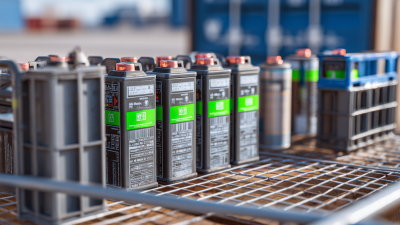
Why Shipping a Lithium Battery Requires Special Precautions and Guidelines
The exponential growth of the electric vehicle market and the surge in consumer electronics have significantly increased the demand for lithium batteries. According to the International Energy Agency (IEA), the global demand for lithium-ion batteries is projected to reach over 2,000 GWh by 2030, highlighting the urgency of efficient and secure supply chain management. However, shipping a lithium battery involves complex considerations due to the unique hazards associated with these power sources.
Lithium batteries are susceptible to thermal runaway, a condition where the battery overheats and may catch fire or explode if damaged or improperly handled during transportation.
As outlined by the United Nations Economic Commission for Europe (UNECE), specific regulations govern the transportation of dangerous goods, including lithium batteries, which are classified as hazardous materials. The regulations emphasize the importance of packaging, labeling, and documentation requirements to mitigate risks during transport. Failures to adhere to these guidelines can lead to catastrophic incidents, further emphasizing the need for stringent safety measures in the shipping process. Thus, understanding the intricacies of shipping a lithium battery is crucial for manufacturers, shippers, and end-users to ensure safety and compliance in a rapidly growing industry.

The Unique Hazards of Lithium Battery Shipping: An Overview
Shipping lithium batteries involves unique hazards that are critical to understand in today's global supply chain.
According to a report by the International Air Transport Association (IATA), lithium batteries are responsible for over 40% of in-flight incidents related to cargo. Their flammability and potential for thermal runaway present significant risks during transportation, particularly when they are damaged or improperly packed.
The U.S. Department of Transportation emphasizes the necessity for strict labeling and packaging regulations. For instance, lithium-ion batteries with a watt-hour rating higher than 100 must be shipped as dangerous goods, requiring specific packaging and handling instructions. Moreover, the United Nations has established guidelines that categorize lithium batteries into different classes based on their size and chemistry, which determines the level of precaution needed during shipping.
As e-commerce continues its exponential growth, understanding these regulations is not just a matter of compliance but a crucial step in ensuring the safety of air cargo operations.
Regulatory Framework Governing Lithium Battery Transportation
Transporting lithium batteries involves navigating a complex regulatory framework that governs their safety and compliance. Such batteries are classified as dangerous goods due to their potential risks, including fire hazards if damaged or improperly handled. Regulatory bodies, including the International Air Transport Association (IATA) and the Department of Transportation (DOT), have set forth guidelines that dictate how these batteries must be packaged, labeled, and documented during transportation. This ensures not only the protection of the goods being transported but also safeguards public health and safety.
When preparing lithium batteries for shipment, it's essential to follow specific tips to comply with regulations. First, always use certified packaging that meets the standards set by the relevant authorities. Secondly, clearly label each package with the appropriate hazard symbols and handling instructions. Lastly, ensure that all shipments are accompanied by the necessary documentation that details the contents and their classification. By adhering to these guidelines, shippers can effectively reduce risks associated with transporting lithium batteries.
Lithium Battery Transportation Compliance and Incidents
Statistical Insights: Lithium Battery Incidents During Transport

Shipping lithium batteries has become a critical concern due to the increasing number of incidents during transport. Statistical insights reveal that incidents related to lithium batteries, such as fires or explosions, have significantly increased over the past few years. According to reports, nearly 40% of these incidents occur during air transport, highlighting the need for stringent safety measures. The volatile nature of lithium batteries, especially when damaged or improperly packaged, can lead to hazardous situations that can put shipping crews and cargo at risk.
To mitigate these risks, it’s essential to follow specific guidelines and safety tips. Firstly, always ensure batteries are securely packed in reinforced packaging and labeled appropriately to indicate the presence of lithium. Secondly, when shipping, it's advisable to use shipping containers designed explicitly for lithium batteries, incorporating fire-resistant materials. Additionally, keeping an inventory of cell sizes and types can help in compliance with transportation regulations.
Staying informed about the latest regulations and best practices is vital. Regular training sessions for personnel handling these shipments can cultivate a culture of safety and awareness. Implementing these tips not only enhances safety but also ensures the smooth transportation of lithium batteries in compliance with global standards.
Packaging Standards and Best Practices for Lithium Batteries
When shipping lithium batteries, adherence to specific packaging standards and best practices is essential to mitigate safety risks. Lithium batteries, especially lithium-ion types, are prone to combustion and can pose significant hazards if not handled correctly. To ensure safe transportation, they must be packaged in a way that prevents short circuits, protects against physical damage, and contains any leaks. Packaging often includes specialized boxes that are capable of withstanding pressure and temperature fluctuations, along with insulating materials to provide cushioning.
Additionally, it is crucial to label packages correctly to inform handlers of the contents and associated risks. Standard labels, like the UN3480 and UN3481 markings for lithium batteries, must be prominently displayed. Furthermore, shippers should comply with regulations set forth by organizations such as the International Air Transport Association (IATA) and the International Civil Aviation Organization (ICAO) to ensure that shipment practices align with international safety standards. By following these guidelines, companies can transport lithium batteries securely while minimizing the potential for accidents and ensuring compliance with legal requirements.
Why Shipping a Lithium Battery Requires Special Precautions and Guidelines
| Dimension |
Description |
Guideline |
Packaging Standard |
| Battery Size |
Various sizes exist from small cells to large packs. |
Follow manufacturer specifications for handling. |
Use UN3480 or UN3481 packaging standards. |
| State of Charge (SoC) |
Batteries should ideally be shipped at 30-50% SoC. |
Ensure the battery is neither fully charged nor fully depleted. |
Label packages according to the SoC. |
| Temperature Range |
Extreme temperatures can damage batteries. |
Keep packages in a climate-controlled environment. |
Use thermal insulating materials. |
| Protection Against Short Circuit |
Short circuits can lead to fires. |
Cover terminals with non-conductive tape. |
Use specifically designed boxes for lithium batteries. |
| Labeling |
Proper labeling indicates the contents. |
Affix hazard labels and handling instructions. |
Include a declaration of Dangerous Goods. |
Emergency Response Strategies for Lithium Battery Shipping Emergencies
Shipping lithium batteries poses significant risks if not handled properly, necessitating effective emergency response strategies to mitigate potential hazards. In the event of a leakage, fire, or explosion, immediate action is crucial. First, ensure that all personnel are evacuated from the vicinity of the incident. Establish a safe perimeter to prevent unauthorized access and to protect bystanders from potential dangers such as toxic fumes or flames.
Next, it is essential to have emergency response kits readily available. These kits should include extinguishers rated for lithium battery fires, personal protective equipment, and containment materials to manage any spills. Training staff on how to use this equipment and recognizing the early signs of battery failure can dramatically reduce response time and enhance safety. Collaborating with local fire departments and hazmat teams can further prepare shipping companies to handle emergencies efficiently, ensuring that all protocols are followed and that risks are minimized during the shipping process.