Essential Tips for Safe Handling of UN3481 Batteries?
Handling UN3481 batteries safely is crucial. These batteries are often used in portable electronic devices. However, they can pose risks if not managed properly. Understanding the specific characteristics of UN3481 batteries is the first step.
Proper storage can prevent many accidents. Keep UN3481 batteries in a cool, dry place. Avoid contact with conductive materials. This simple act can save you from potential hazards. Always inspect the batteries for any signs of damage before use.
Educating yourself about emergency procedures is vital. Accidents can happen, and knowing what to do is essential. Think about potential scenarios. Are you prepared for an incident involving UN3481 batteries? Regular training or refreshers can enhance safety in your environment. Never underestimate the importance of vigilance and caution.
Understanding UN3481 Batteries and Their Hazards
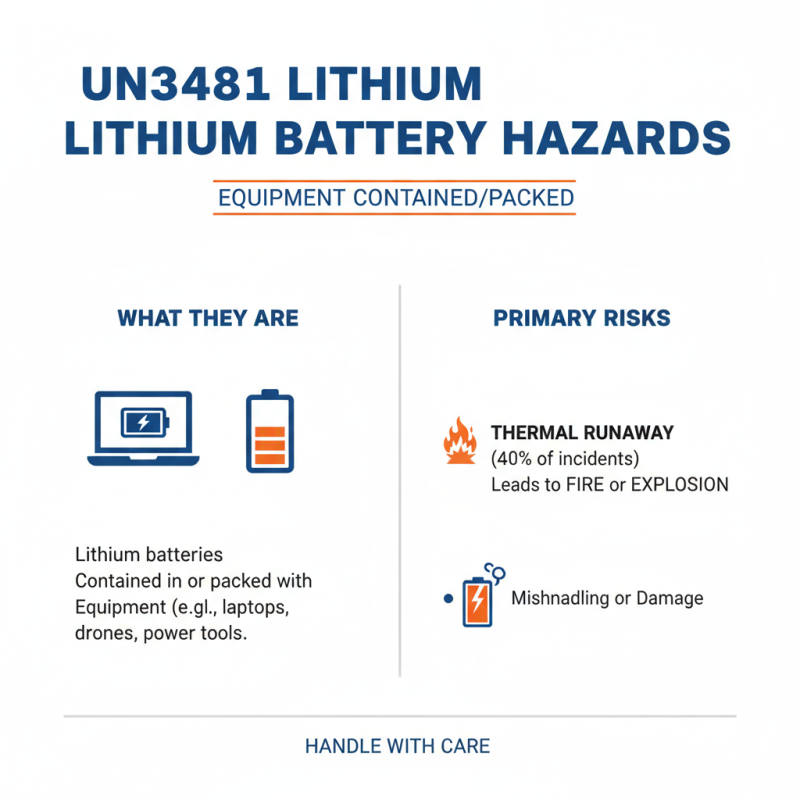
When handling UN3481 batteries, it is crucial to comprehend their potential hazards. UN3481 batteries are classified as lithium batteries contained in equipment or packed with equipment. These batteries can pose significant risks if mishandled or damaged. According to the Electric Storage Association, around 40% of lithium battery incidents relate to thermal runaway, a condition that can lead to fires or explosions.
Awareness of the risks associated with UN3481 batteries is essential for safe handling. These batteries can overheat, especially in high temperatures or during direct sunlight exposure. A report from the National Fire Protection Association highlighted that improper storage can increase the likelihood of thermal events. Therefore, avoid stacking batteries excessively. And, ensure they are stored in a cool, ventilated area.
In addition, the transit of UN3481 batteries requires specific precautions. While traveling, prevent short-circuits by covering terminals. Research shows that the majority of transport incidents stem from inadequate packaging. Your safety relies on following guidelines. Failure to do so could result in serious repercussions. Understanding these hazards and applying best practices will significantly reduce risks associated with these batteries.
Regulatory Guidelines for Handling UN3481 Batteries
Handling UN3481 batteries, classified as lithium-ion batteries contained in equipment, requires adherence to strict regulatory guidelines. These batteries can pose safety risks if not managed properly. According to the Transportation Safety Administration, mishandling can lead to fires or chemical exposure. Awareness is crucial when transporting or storing these batteries.
Tips for safe handling: Always ensure batteries are stored in a cool, dry environment. Avoid placing them on flammable surfaces. Regularly inspect batteries for any signs of damage. A report from the Hazardous Materials Safety Administration indicates that over 25% of battery incidents arise from poor storage practices.
When transporting, utilize appropriate packaging to mitigate risk. Follow the guidelines by the International Air Transport Association, which specifies using UN-tested containers. Additionally, clear labeling is critical. Information should be visible, indicating the presence of hazardous materials. Many overlook this vital step, leading to potential penalties and safety breaches. Proper training on these guidelines is essential for all personnel involved.
Best Practices for Storage and Transportation of UN3481 Batteries
When storing UN3481 batteries, avoid extreme temperatures. A cool, dry place is best. Keep them in their original packaging if possible. This prevents accidental short circuits. Use protective materials to cushion the batteries during storage. Label all storage containers clearly. Mislabeling can lead to confusion and mishaps.
Transportation requires attention to detail. Ensure the batteries are secured to prevent movement. Use designated containers that meet safety standards. Check local regulations before transportation. Some areas have specific rules regarding battery transport. Do not overload transport vehicles. This can cause hazards during transit.
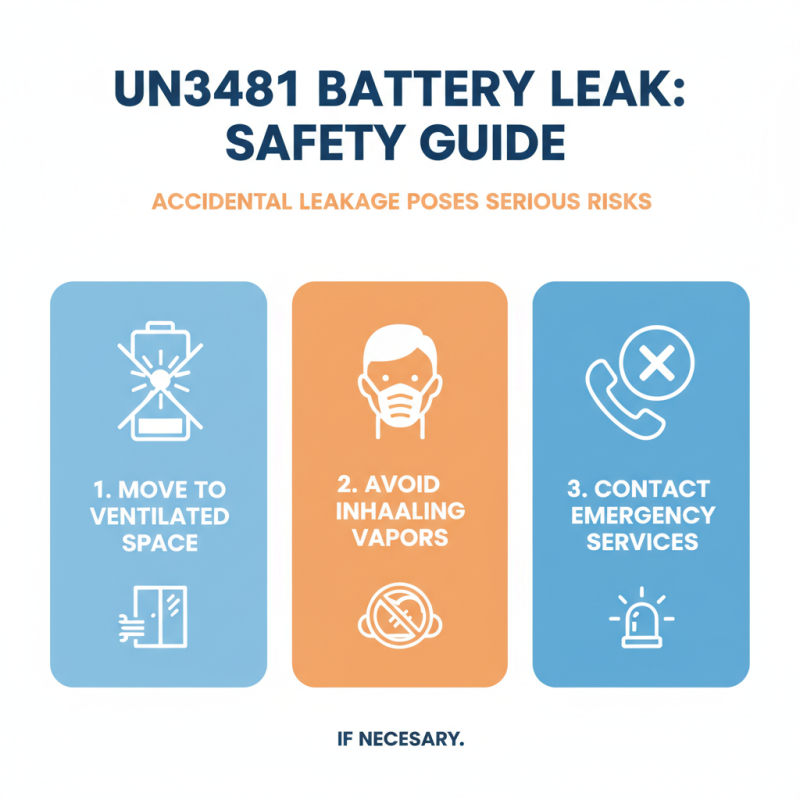
Periodic checks on stored batteries are essential. Inspect for any signs of wear or damage. Batteries that show signs of leakage should be removed immediately. Regularly review your storage practices. Improper handling can lead to serious risks. Learn from past mistakes to improve future safety.
Essential Tips for Safe Handling of UN3481 Batteries
| Best Practices |
Description |
Recommended Actions |
| Proper Labeling |
Ensure all UN3481 batteries are clearly labeled according to regulations. |
Use appropriate hazard symbols and handling instructions. |
| Temperature Control |
Store batteries in a temperature-controlled environment. |
Maintain storage temperature between 15°C and 25°C. |
| Use of Protective Equipment |
Utilize personal protective equipment when handling batteries. |
Wear gloves and safety goggles as necessary. |
| Avoid Short Circuits |
Prevent connections between terminals to avoid short circuits. |
Use insulating materials to cover terminals during storage. |
| Regular Inspections |
Conduct regular checks for signs of damage or leakage. |
Remove any damaged batteries immediately and follow disposal guidelines. |
| Safe Transportation |
Adhere to regulations for transporting UN3481 batteries. |
Use designated dangerous goods carriers and secure loads properly. |
| Disposal Guidelines |
Follow local regulations for battery disposal. |
Utilize designated recycling programs for rechargeable batteries. |
Personal Protective Equipment for Safe Handling of UN3481 Batteries
When handling UN3481 batteries, personal protective equipment (PPE) is essential. These batteries, often found in portable electronics, can pose safety risks if mishandled. The right PPE can minimize exposure to harmful substances and prevent injuries. According to industry data, approximately 30% of battery-related incidents occur due to inadequate protective measures.
Wear gloves made of chemical-resistant materials. These will protect your hands from potential leaks. Safety goggles are also crucial to shield your eyes from splashes. If the battery is damaged, respiratory protection may be necessary. A mask that filters out harmful particles can offer added safety.
Tips for safe handling include: always inspect batteries for damage before use. If you notice any swelling or discoloration, do not attempt to use or charge them. Keep batteries in a cool, dry place to prevent overheating. Awareness is key; understand the specific risks associated with the batteries you work with. While PPE is helpful, it cannot replace proper training and awareness of handling hazardous materials. Awareness is vital for a safer working environment.
Essential Tips for Safe Handling of UN3481 Batteries