7 Tips for Shipping Li Ion Batteries Internationally
Shipping li ion batteries internationally requires more than placing cells in a sturdy box. Each shipment combines battery chemistry, packaging, documentation, carrier rules, and destination requirements. A small mistake can delay cargo, damage equipment, or create a serious safety concern.
Battery safety expert Celina Mikolajczak has said, “A battery is only as safe as the system around it.” That principle applies directly to international shipping. The battery, inner packaging, outer carton, labels, paperwork, and trained handling team must work together. One weak link can affect the entire shipment.
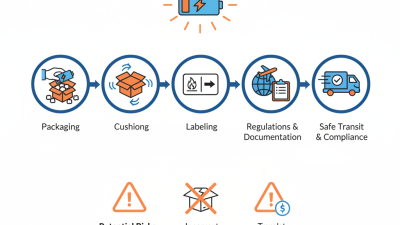
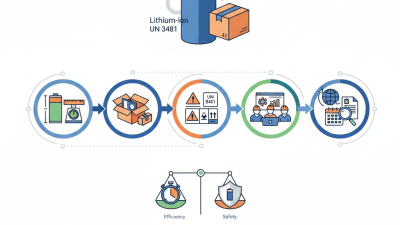
This guide presents seven practical tips for shipping li ion batteries with greater confidence. It covers battery identification, state-of-charge control, UN-tested packaging, marking, documentation, carrier selection, and final inspection. You will see concrete details, such as checking terminals for exposed metal and verifying that package marks remain visible after wrapping.
Details matter.
Still, no checklist removes every uncertainty. Regulations change, carriers interpret requirements differently, and battery designs vary. A package accepted yesterday may require review today. That uncomfortable reality deserves attention. Always confirm current requirements with the carrier, a qualified dangerous-goods professional, and the authorities serving the shipment route.
The goal is not to make shipping feel effortless. It is to make each decision traceable, deliberate, and safer. A clear process protects people, cargo, and delivery schedules. It also reveals where your current method may be too casual. That is often where improvement begins.

Understanding International Rules for Li-Ion Battery Shipments
7 Tips for Shipping Li Ion Batteries Internationally
Understanding International Rules for Li-Ion Battery Shipments
International lithium-ion shipping begins with classification, not a booking form. A cell or battery may be regulated differently when installed in equipment, packed with equipment, or shipped alone. The battery’s watt-hour rating, chemistry, configuration, and state of charge affect the transport requirements. The IATA Dangerous Goods Regulations require UN 38.3 test evidence for most lithium-ion batteries moving through air transport. Keep the test summary accessible.
The market is expanding quickly. The International Energy Agency reported more than 17 million electric cars sold worldwide in 2024. That growth increases demand for replacement cells, prototypes, and industrial packs. It also increases inspection pressure. Air shipments commonly require strict packaging, clear handling labels, and state-of-charge controls. Sea freight follows the International Maritime Dangerous Goods Code. Road movements may follow regional rules, such as ADR requirements in Europe. These systems overlap, but they are not identical.
Details matter. Use rigid inner packaging, prevent terminal contact, and separate damaged batteries from normal cargo. Confirm the UN number before preparing documents. Then verify the carrier’s acceptance policy. Customs paperwork should match the package markings exactly. A small mismatch can cause delays. IATA, ICAO, and national authorities update guidance regularly, so old templates deserve suspicion. One weakness remains: even experienced teams can overlook destination-specific rules. Recheck them before every shipment. Keep photos, test records, invoices, and emergency contacts together. That simple file can save hours during a warehouse inspection.
Lithium-Ion Battery Air-Travel Limits
Key watt-hour thresholds under international passenger air-transport guidance. Spare batteries must be carried in carry-on baggage, protected against short circuits, and packed according to the applicable airline and dangerous-goods requirements.
Batteries up to 100 Wh are generally accepted as spare batteries in carry-on baggage without airline approval. Batteries over 100 Wh and up to 160 Wh generally require operator approval and are limited in quantity. Spare batteries above 160 Wh are not permitted in passenger baggage. Cargo shipments may follow different IATA/ICAO provisions, including UN 38.3 testing, packaging, labeling, documentation, and carrier-specific rules.
Choosing the Right Carrier and Completing Shipping Documents
Shipping lithium-ion batteries internationally requires more than selecting the cheapest transport option. The carrier must accept the battery type, watt-hour rating, packing method, and destination. Ask for written confirmation before booking. Small details matter. A cell packed alone may face stricter controls than a battery installed in equipment. Review current air, sea, and destination-country requirements with a qualified dangerous-goods professional. Regulations can change, and online checklists may be outdated. I once treated a familiar shipment as routine; that assumption delayed clearance. Experience has made me verify every battery configuration separately.
Prepare documents from the actual shipment, not a copied template. The commercial invoice should state an accurate product description, quantity, value, and country of origin. Include the battery’s watt-hour rating, packing instruction, and applicable transport classification. Provide the UN 38.3 test summary when required, plus a safety data sheet if requested by the carrier or authorities. Check that labels, marks, package limits, and emergency contact details match the paperwork. The air waybill or sea transport document must use consistent information. Customs officers may question vague wording. Use precise terms. Before pickup, photograph the closed package, labels, and documents. This creates a useful record, although it does not replace professional review. Recheck every page against the physical cartons. One overlooked digit can cause a hold.