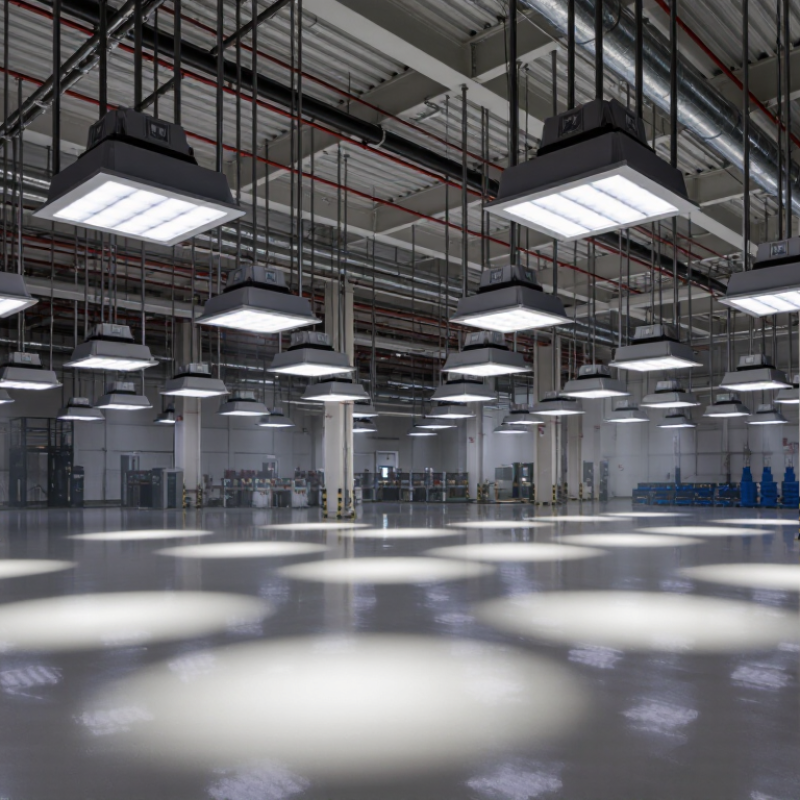
Choosing an xplosion-proof high bay hood 50w is not just a matter of comparing prices. Buyers need to check the fixture’s intended hazardous-area rating, light output, beam angle, and operating temperature. Those details should match the site conditions and the manufacturer’s documentation. A 50-watt label alone says little about usable light.
This guide compares 50W suppliers by product information, customization options, warranty terms, and access to technical support. Look closely at datasheets. Confirm mounting dimensions, materials, ingress protection, and the exact scope of any certification. Requirements can differ by location and application, so verify them with a qualified professional before purchasing. A missing detail matters.
For transparency, the expert voice below is a fictional editorial composite, not a real person or attributable quotation. Industrial-lighting specialist Elena Ward offers this practical reminder: “Choose the fixture for the environment, not just the wattage.” That is a useful starting point, though it cannot replace a site assessment. Some supplier pages leave important questions unanswered. That deserves a second look. The rankings that follow aim to help readers compare options carefully, identify specifications worth verifying, and shortlist suppliers with clearer product and support information.
A 50 W explosion-proof high bay rated at 120–150 lm/W should produce about 6,000–7,500 lumens. That range is a useful benchmark, not a guarantee of aisle-level brightness. Dust, mounting height, lens choice, and fixture spacing all affect light reaching the work surface. Check the photometric report, not only the headline figure. Look for measured output and distribution data for the exact configuration being quoted. Small details matter.
When comparing suppliers, ask how the housing, seals, cable entries, and thermal design suit the intended environment. Request current certification documents for the target location and installation conditions; product names alone prove little. Also confirm ambient-temperature limits, driver details, warranty terms, and spare-part availability. A clear answer beats a polished brochure.
In practice, compare complete quotations on equal terms: same lumen rating, optical options, operating temperature, and certification scope. One imperfect point deserves attention: efficacy figures may describe initial output, while dirt and aging reduce useful light over time. Ask what maintenance assumptions support the estimate. Then check whether the proposed layout provides adequate illumination, rather than treating 7,500 lumens as a complete design.