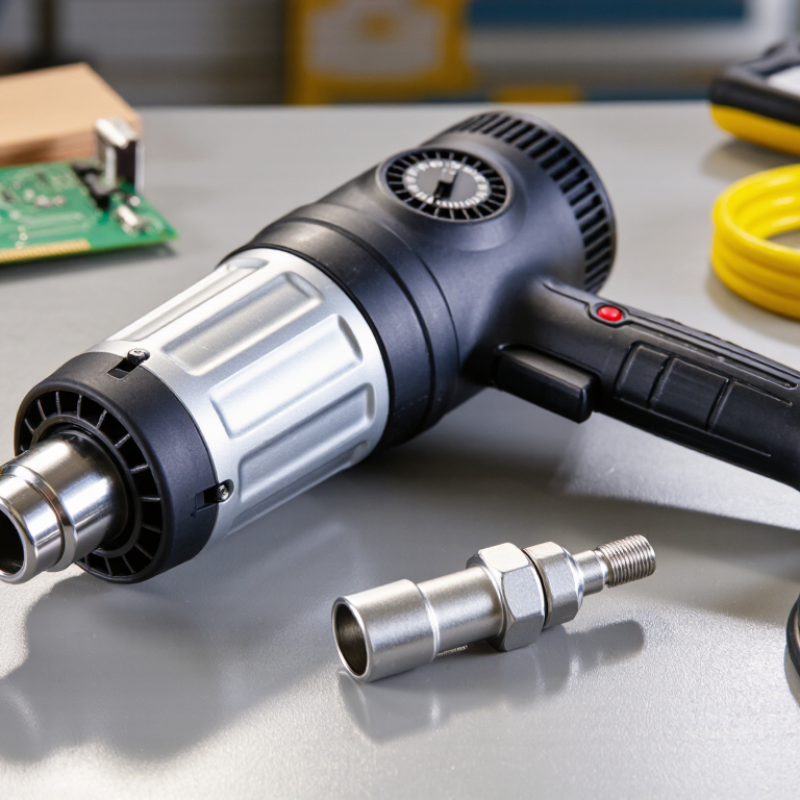
| What a heat gun is | A heat gun is a powered tool that directs a stream of heated air onto a work surface. It is commonly used for controlled heating, drying, softening, and shaping tasks. | Confirm the intended application and whether a corded or cordless tool is appropriate. |
| How it works | An electric heating element warms air, while an internal fan moves the air through the nozzle. Temperature and airflow controls vary by model. | Check the temperature-control method, airflow settings, and whether the specifications state operating ranges clearly. |
| Typical temperature range | Many general-purpose electric models offer adjustable settings spanning approximately 50°C to 600°C (122°F to 1,112°F), but the range differs by product. | Compare the minimum and maximum temperatures, adjustment increments, and temperature stability for the intended work. |
| Common applications | Typical uses include removing paint or adhesive, shrinking heat-shrink tubing, softening plastic, loosening fittings, and thawing frozen pipes with appropriate care. | Make sure the tool and any included accessories are suitable for the material and task. Follow the material supplier’s instructions. |
| Paint and adhesive removal | Warm air can soften some coatings and adhesives so they can be removed more easily. The surface should be heated gradually and evenly. | Check for lead-based paint or other hazardous coatings before heating. Avoid overheating, which can damage the surface or create harmful fumes. |
| Heat-shrink tubing | Warm air can shrink compatible tubing around wires or connectors. A reflector or reducer nozzle can help direct airflow, when supplied or approved for the tool. | Use a suitable temperature and keep the nozzle moving to reduce the risk of scorching tubing or nearby materials. |
| Plastic shaping | Some plastics become pliable when heated, allowing limited forming or bending. Different polymers soften at different temperatures. | Identify the plastic and check its recommended processing temperature. Work in a well-ventilated area and avoid overheating. |
| Key product specifications | Relevant specifications commonly include rated voltage, power input, temperature range, airflow rate, control settings, cord length, and tool weight. | Compare specifications using consistent units and check that the stated electrical rating matches the destination market. |
| Temperature and airflow control | Models may provide fixed settings, variable controls, or a digital display. Airflow is often listed in litres per minute (L/min) or cubic feet per minute (CFM). | Choose controls that suit the task. A lower airflow or temperature setting can be useful for delicate materials, but requirements depend on the application. |
| Accessories | Common accessories include flat, reflector, and reduction nozzles. Some sets also include scrapers or a storage case. | Verify which accessories are included, compatible, and replaceable; accessory availability varies by model. |
| Safety considerations | The nozzle and heated workpiece can cause burns or fire. Keep the tool moving, maintain a safe distance, and place it on a stable heat-resistant surface when not in use. | Look for clear operating instructions and suitable protective features. Keep the tool away from flammable materials and never direct hot air at people or animals. |
| Cooling and storage | After use, allow the tool to cool in a safe, ventilated location before storage. Do not touch the nozzle until it has cooled. | Check the manufacturer’s instructions for cooldown, storage, and maintenance procedures. |
| Evaluating a supplier | A product comparison can include test documentation, electrical safety information, quality-control procedures, packaging options, and after-sales support. | Request current, model-specific documentation and verify applicable conformity requirements for the destination market. Requirements differ by country and product category. |