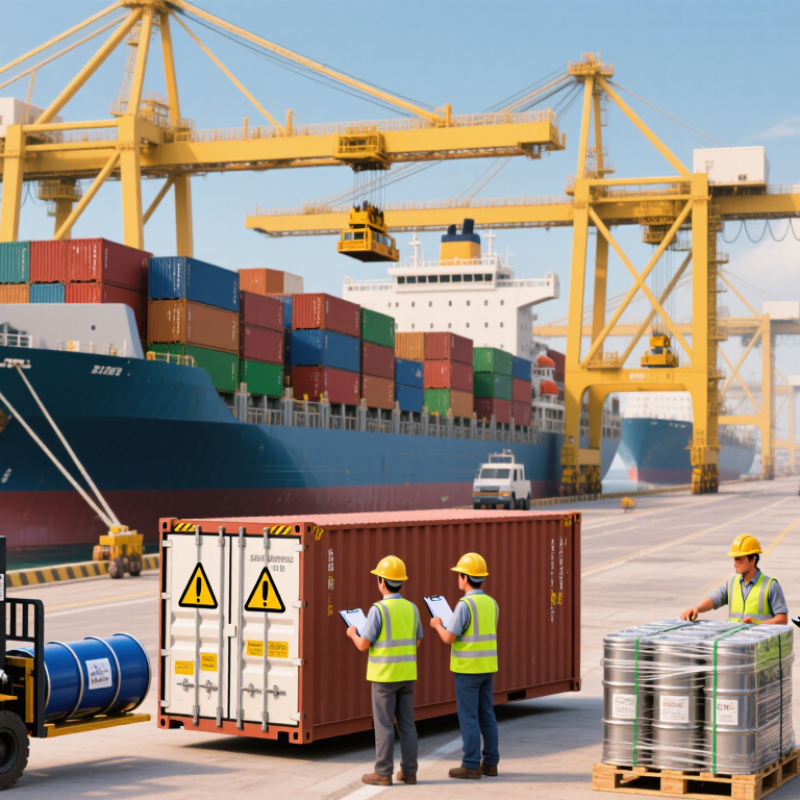
| Geopolitical Route Disruption | By mid-February 2024, vessel transits through the Suez Canal had fallen by approximately 67%, while weekly tonnage transiting the canal had declined by about 42% compared with the previous year. | Longer voyages, higher freight and fuel costs, inventory shortages, missed production windows, and increased working-capital requirements. | Very High | Use alternative routing scenarios, maintain safety stock for critical goods, include flexible delivery terms, and obtain written approval for route changes. |
| Canal Capacity and Drought Restrictions | During the 2023–2024 drought period, daily vessel transits through the Panama Canal were reduced from the normal level of approximately 36 to around 24, with further restrictions announced for some periods. | Booking cancellations, queue delays, transshipment changes, higher rates, and unreliable delivery dates for cargo moving between the Atlantic and Pacific regions. | Very High | Monitor canal restrictions, compare rail and alternative sea routes, reserve capacity early, and avoid relying on a single maritime corridor. |
| Severe Weather and Climate Events | Global insured and uninsured economic losses from natural disasters exceeded USD 300 billion in 2023, according to international disaster-loss assessments. Floods, storms, droughts, and wildfires continue to affect ports, roads, railways, and warehouses. | Physical cargo damage, port closures, inland transport interruptions, power outages, and sudden changes to delivery schedules. | High | Use weather-risk screening, pre-approve alternate ports and inland routes, strengthen packaging, and verify cargo insurance for weather-related perils. |
| Piracy and Armed Robbery | International maritime incident reporting recorded 116 piracy and armed-robbery incidents against ships worldwide in 2024, including reported boardings and attempted attacks. | Rerouting, security surcharges, crew-related disruption, cargo loss, ransom exposure, and increased insurance costs. | High | Review route advisories, use security-approved voyage plans, check war-risk and piracy insurance, and require incident-notification procedures. |
| Port Congestion and Handling Delays | Global container shipping performance remains uneven. The World Bank’s 2023 Logistics Performance Index reported substantial differences between countries in customs, infrastructure, international shipments, and timeliness performance. | Demurrage and detention charges, missed connections, storage costs, production interruptions, and reduced inventory reliability. | High | Track port dwell time, confirm free-time allowances, use more than one gateway where practical, and include congestion clauses in purchase and logistics contracts. |
| Customs, Documentation, and Compliance Errors | The 2023 Logistics Performance Index identified customs efficiency and timeliness as major differentiators in international supply-chain performance. Incorrect tariff codes, valuation, origin data, or permits can trigger holds and penalties. | Border delays, inspections, fines, cargo seizure, re-export requirements, and inability to release goods to the buyer. | High | Validate classification and origin before shipment, use document checklists, reconcile commercial invoices with purchase orders, and assign compliance ownership. |
| Cargo Theft and Unauthorized Access | Transport-security incident reporting consistently identifies theft, hijacking, warehouse intrusion, and unauthorized access as recurring risks, particularly during road legs, terminal transfers, and temporary storage. | Partial or total cargo loss, counterfeit or substituted goods, customer claims, production shortages, and higher security expenses. | High | Use tamper-evident seals, chain-of-custody records, controlled handovers, route monitoring, secure parking, and quantity checks at every transfer point. |
| Packaging Failure and Cargo Damage | International shipments can experience vibration, shock, compression, moisture, temperature changes, and repeated handling across multiple transport modes. Damage exposure increases when packaging is not matched to the route and cargo characteristics. | Rejected deliveries, hidden product defects, rework, replacement costs, warranty claims, and disposal expenses. | Medium–High | Apply route-specific packaging tests, moisture protection, load-securing standards, photographic evidence, and inspection checkpoints before dispatch and after arrival. |
| Temperature-Control and Perishability Failure | Temperature-sensitive goods require continuous control across storage, loading, transit, customs clearance, and final delivery. A single uncontrolled transfer can compromise product quality even when the outer package appears intact. | Product spoilage, regulatory rejection, health or safety exposure, loss of saleable inventory, and urgent replacement shipments. | High | Define temperature ranges, use calibrated data loggers, pre-qualify handling facilities, establish excursion procedures, and verify backup power and contingency capacity. |
| Cybersecurity and Digital Visibility Failure | Modern logistics depends on electronic booking, customs, tracking, warehouse, and payment systems. A system outage or compromised account can interrupt cargo release, routing decisions, and shipment visibility. | False delivery instructions, payment fraud, release delays, data loss, operational shutdowns, and inability to locate cargo in transit. | Medium–High | Use multi-factor authentication, segregate payment approvals, verify bank-detail changes independently, maintain offline shipment records, and define cyber-incident escalation contacts. |
| Carrier, Forwarder, or Supplier Failure | International shipments often involve multiple parties and handovers. Financial distress, labor disruption, capacity shortages, or poor subcontractor control can affect a shipment even when the buyer’s direct contract remains active. | Unplanned transshipment, document retention, cargo abandonment, unpaid charges, service cancellation, and costly emergency rebooking. | Medium–High | Conduct counterparty due diligence, identify critical subcontractors, avoid single-provider dependency, use milestone-based payment controls, and maintain a documented recovery plan. |
| Insurance and Incoterms Mismatch | Under international delivery terms, responsibility for transport, insurance, risk transfer, and import formalities changes according to the agreed rule. A low-value cargo policy may not cover the full commercial exposure. | Uninsured loss, disputes over responsibility, delayed claims, duplicate insurance costs, and unexpected duties or inland transport charges. | Medium–High | Match Incoterms with the actual logistics plan, confirm when risk transfers, review exclusions and deductibles, insure the full exposure, and keep evidence required for claims. |